
DNA Computing Breakthrough: Working Out Prime Factors Using DNA
How Researchers Used DNA Molecules to Perform Simple Arithmetic Operations and Its Implications for the Future of Computing and Cryptography

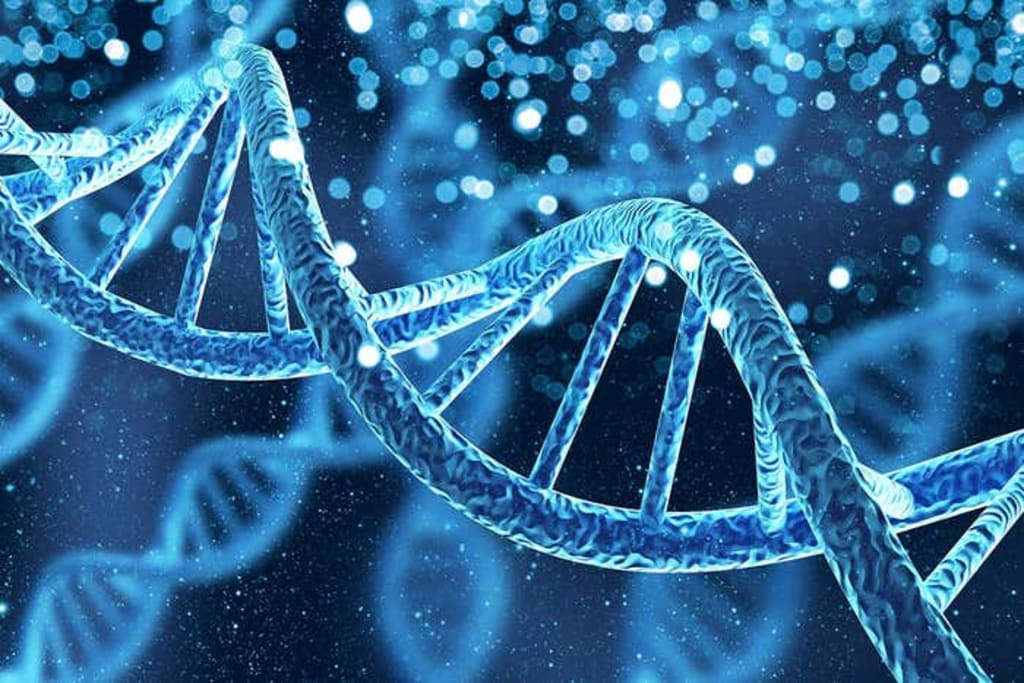
DNA computing has been a topic of fascination for scientists and researchers for many years. It involves using DNA molecules as a form of information processing, and has the potential to revolutionize the way we think about computing. Recently, a group of researchers from the University of Manchester in the UK and the University of California, Davis, made headlines by using DNA computing to work out the prime factors of 6 and 15. This breakthrough could have significant implications for the future of computing and cryptography.
The research, which was published in the journal Nature Communications, describes how the team was able to use DNA strands to perform simple arithmetic operations. In particular, they used a DNA-based algorithm to find the prime factors of the numbers 6 and 15. To do this, they designed two different DNA molecules, each representing one of the numbers. These molecules were then mixed together in a test tube, where they combined and interacted in a way that allowed the researchers to read off the prime factors.
The key to this process lies in the way DNA molecules interact with each other. DNA consists of four basic building blocks, or nucleotides, which are denoted by the letters A, C, G, and T. These nucleotides form pairs with each other in a very specific way: A always pairs with T, and C always pairs with G. By designing DNA strands with specific sequences of nucleotides, the researchers were able to control the way they interacted with each other, allowing them to perform calculations and logic operations.
The researchers used a technique called polymerase chain reaction (PCR) to amplify the DNA strands and make them easier to read. They then used gel electrophoresis to separate the different strands based on their size, allowing them to identify the prime factors of the numbers 6 and 15.
While the process used in this experiment is relatively simple, it demonstrates the potential of DNA computing to perform complex computations in a completely different way than traditional computers. DNA computing has several advantages over traditional computing methods, including the ability to perform multiple operations simultaneously and the ability to store large amounts of data in a very small space.
There are still many challenges that need to be overcome before DNA computing can be used in practical applications, however. One of the biggest challenges is the cost and complexity of synthesizing and manipulating DNA strands. Additionally, the process of reading and interpreting the results of DNA computations can be slow and difficult.
Despite these challenges, the potential of DNA computing is enormous. It could be used to solve complex mathematical problems, such as those involved in cryptography and data encryption, and it could revolutionize the way we think about information processing in general. As the technology continues to develop and improve, we may see more breakthroughs like this one in the coming years.
In conclusion, the recent breakthrough by the researchers at the University of Manchester and the University of California, Davis, in using DNA computing to work out the prime factors of 6 and 15 is a significant development in the field of computational biology. While there are still many challenges to overcome before DNA computing can be used in practical applications, the potential of this technology is enormous. It could completely change the way we think about computing and could have far-reaching implications for the fields of cryptography, data encryption, and beyond.
As researchers continue to explore the potential of DNA computing, we may see more breakthroughs in the coming years. In particular, this technology could be used to solve problems that are currently beyond the capabilities of traditional computers, such as those involving large-scale data analysis and optimization. As the cost and complexity of DNA synthesis and manipulation continue to decrease, it is likely that we will see more practical applications of this technology in the near future. Overall, DNA computing is a fascinating area of
,
About the Creator
Top 15 Airdrop Marketing Tactics Driving Massive Participation in 2026
Airdrops have matured into one of the most powerful user acquisition and community expansion tools in Web3. In 2026, they are no longer random token giveaways designed to create short-term hype. Instead, they are precision-driven growth strategies engineered to attract high-value participants, encourage ecosystem engagement, and build sustainable token economies.
By Jack santo8 days ago in 01
Nancy Guthrie — A Life Devoted to Scripture, Hope, and Healing
Introduction: A Teacher with a Passion for God’s Word Nancy Guthrie is a widely respected Bible teacher, author, speaker, and podcaster whose life and work have deeply impacted Christians around the world. Known for her rich biblical insights and compassionate heart, Guthrie’s ministry centers on helping believers understand Scripture deeply and see Christ throughout the Bible. She has authored numerous books, leads workshops, and hosts the popular Help Me Teach the Bible podcast, all with the aim of helping others grow in faith and theological understanding.
By Story Prism5 days ago in 01




Comments
There are no comments for this story
Be the first to respond and start the conversation.