
Energy Consumption Impact of Batch Asphalt Plant Working Principles
How does the working principle of a batch asphalt plant affect the energy consumption during asphalt production?

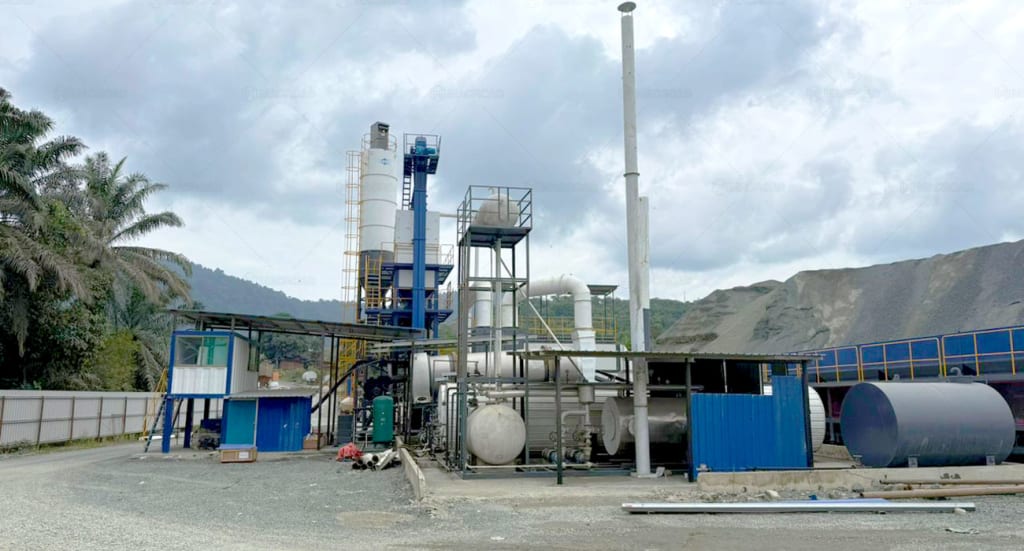
The working principle of a batch asphalt plant significantly influences energy consumption during asphalt production. Understanding how these plants operate reveals key factors affecting their energy efficiency. This article explores the operational mechanics of a batch asphalt plant, identifying how each stage impacts energy needs and highlighting best practices to enhance energy efficiency while maintaining production quality.
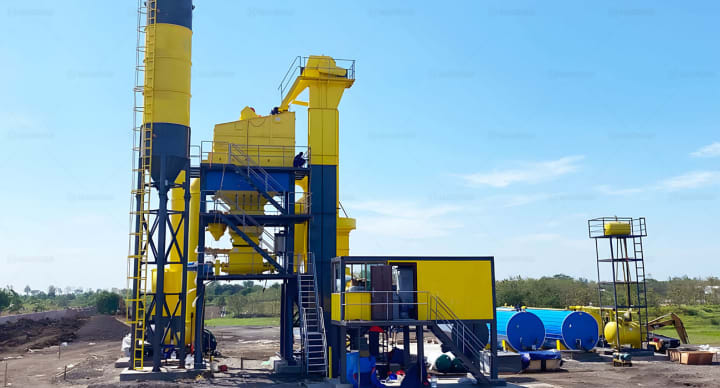
Understanding the Batch Asphalt Plant Operation
A batch asphalt plant operates by producing asphalt in discrete batches rather than continuously. This process begins with the heating of aggregates separately before mixing them with asphalt binder. The controlled nature of this operation allows for precise measurements and a consistent blend of materials, which are essential for high-quality asphalt.
The initial phase of heating aggregates is crucial to overall energy consumption. It requires a significant amount of energy to reach the necessary temperatures, usually around 300 to 350 degrees Fahrenheit. The efficiency of the heating system plays a pivotal role in determining how much fuel or electricity is needed to maintain these temperatures. An inefficient heating system can lead to wasted energy, making it critical for operators to invest in high-efficiency burners and insulation strategies.
Moreover, the process's batch nature means that each cycle consumes energy, often leading to higher total energy usage if not properly managed. Understanding the durations and energy requirements of each stage in the batch process is essential to optimizing energy consumption and controlling costs.
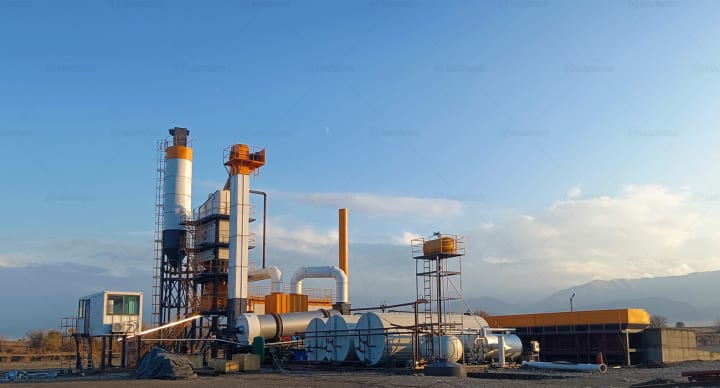
Factors Influencing Energy Consumption
Several factors influence energy consumption in a batch asphalt plant, including the type of aggregates used, the moisture content of the materials, and the overall plant design. Using dense aggregates may require more energy for heating compared to lighter materials, contributing to variations in energy consumption based on material choice.
Moisture content also significantly impacts energy requirements. If aggregates have a high moisture content, additional energy is needed to evaporate the water before optimal mixing. Consequently, drying aggregates before introducing them to the combustion chamber is a common practice that requires energy input and should be carefully controlled to minimize waste.
Another critical element to consider is the efficiency of the mixing process. A well-designed batch asphalt plant optimizes mixing times and speeds, reducing the energy needed for operation. Adjustments in mixing efficiency can directly affect the overall energy consumption of the plant, making it essential for operators to continuously evaluate and optimize these parameters.
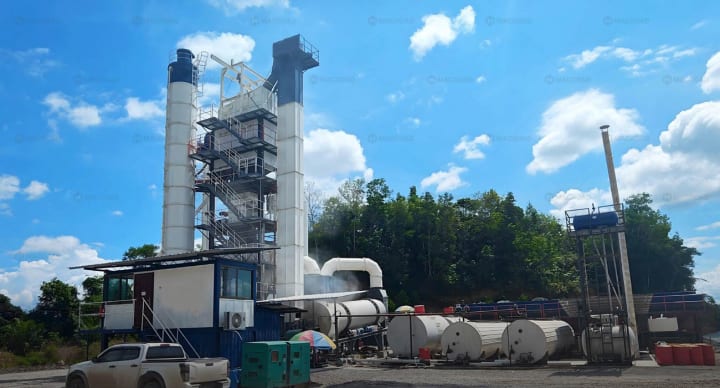
Best Practices for Reducing Energy Consumption
To mitigate energy consumption in a batch asphalt plant, operators can adopt several best practices. Implementing regular maintenance schedules ensures that all equipment, especially burners and heating systems, operate at peak efficiency. Regular checks help identify inefficiencies before they escalate into significant energy losses.
Another strategy involves incorporating advanced technologies that enhance energy management. For example, utilizing automated controls can optimize the heating and mixing processes, adjusting based on real-time data. These systems minimize energy waste by ensuring that only the necessary energy is used throughout production cycles.
Investing in insulation for storage silos and other components can also reduce heat loss, further conserving energy. Additionally, implementing recycling procedures to reuse asphalt materials can lead to decreased energy requirements since reprocessed materials often require less energy than new aggregates.
Conclusion
In conclusion, the working principle of a batch asphalt plant has a substantial impact on energy consumption during asphalt production. Understanding how does an asphalt plant work and the factors that influence energy usage allows operators to implement effective strategies for energy conservation. By optimizing heating, addressing moisture content, and adopting best practices, batch asphalt plants can achieve energy efficiency while maintaining high production standards. This approach not only lowers operational costs but also promotes sustainability in asphalt production practices.
About the Creator
Macroad Asphalt Plant
Macroad, a global leading manufacturer in asphalt mixing plants, offers a wide range of specifications to meet diverse project needs. Its high-quality, efficient equipment is widely applied in road construction.
Keep reading
More stories from Macroad Asphalt Plant and writers in 01 and other communities.
Understanding the Core Working Process of Hot Mix Asphalt Plants
For asphalt plant buyers interested in hot mix plants, understanding how does an asphalt plant work is crucial. The core working process of a standard hot mix asphalt plant involves key phases: drying aggregates, mixing with asphalt, and storage. During daily operations, special attention must be given to specific working links to ensure stable production. This article outlines the essential steps in the process and highlights critical operational aspects that require careful monitoring.
By Macroad Asphalt Plant8 days ago in 01
What Every Internet User Needs to Know About the New AI Laws and Updates to Digital Privacy in 2026
What Every Internet User Needs to Know About the New AI Laws and Updates to Digital Privacy in 2026 In comparison to just a few years ago, the digital landscape in 2026 looks very different. Artificial intelligence is no longer a new or experimental tool; rather, it is now an essential component of everyday life.
By Farida Kabir2 days ago in 01


Comments
There are no comments for this story
Be the first to respond and start the conversation.