
Environmental Benefits of Using a Cobblestone Crusher in Recycling Projects
Transforming Construction Waste into Sustainable Aggregates with Efficient Cobblestone Crushing Technology

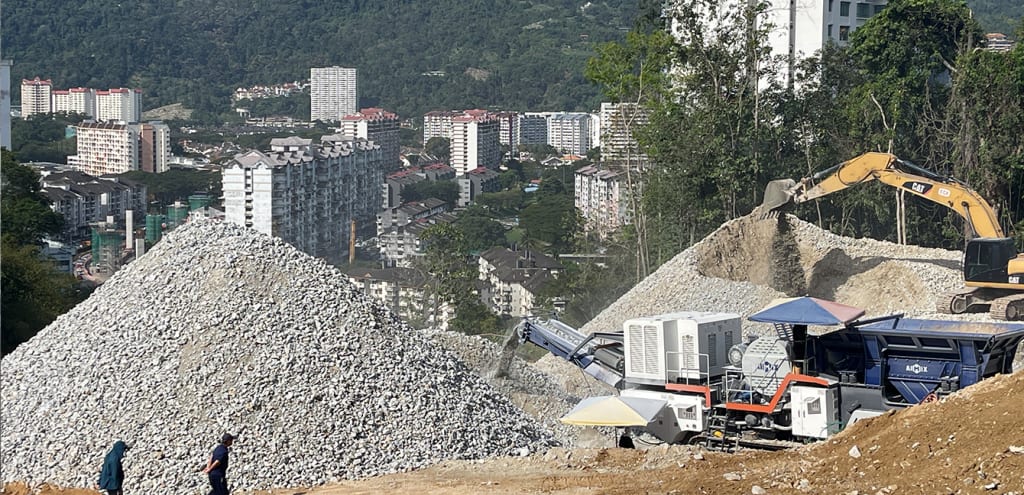
The construction and landscaping industries generate significant amounts of stone and concrete waste, including cobblestones, during demolition, renovation, and roadwork projects. Traditionally, this material would be transported to landfills, contributing to environmental pollution, resource depletion, and high disposal costs. However, with modern cobblestone crushers, contractors and recycling facilities can process these materials efficiently, turning waste into reusable aggregate. Using a rock crusher machine for cobblestone recycling not only improves operational efficiency but also delivers significant environmental benefits.
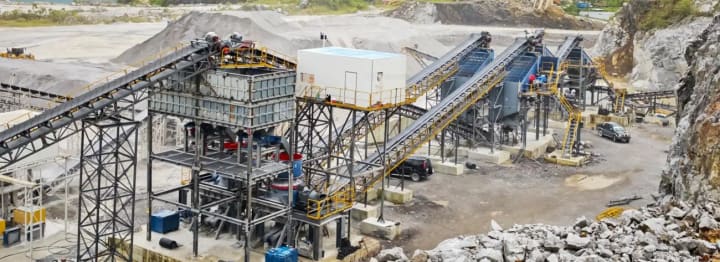
Reducing Landfill Waste
One of the most immediate environmental benefits of a cobblestone crusher is the reduction of waste sent to landfills. By crushing old cobblestones onsite or at a central recycling facility, construction companies can reuse the material in new projects rather than disposing of it. This practice helps reduce the volume of solid waste that ends up in landfills, mitigating soil contamination and decreasing the pressure on municipal waste management systems. Using a rock crusher machine allows for continuous and efficient processing of cobblestone, making large-scale recycling projects feasible.
Conserving Natural Resources
Cobblestone recycling reduces the need to extract new raw materials such as gravel and crushed stone. Natural quarrying has significant environmental impacts, including habitat destruction, dust, and noise pollution. By processing old cobblestones with a cobblestone crusher, recycled aggregates can replace virgin materials in roadbeds, concrete mixes, and landscaping applications. The use of a rock crusher machine ensures that the material is crushed to uniform sizes suitable for construction, maintaining quality while conserving valuable natural resources.
Energy Efficiency and Carbon Reduction
Transporting heavy cobblestones to distant quarries or landfills consumes substantial fuel and generates greenhouse gas emissions. By deploying a cobblestone crusher onsite or nearby, projects can significantly reduce transportation distances. This not only lowers fuel consumption but also reduces carbon emissions associated with haulage. Modern rock crusher machines are designed to be energy-efficient, using optimized crushing mechanisms that require less power while maintaining high output, further minimizing the environmental footprint of recycling operations.
Promoting Circular Construction Practices
The integration of a cobblestone crusher in construction and demolition projects supports circular economy principles, where materials are reused instead of discarded. Crushed cobblestones can serve as base layers for roads, landscaping aggregates, or even components in new concrete. This reuse of materials aligns with sustainable construction practices and reduces dependence on new mining operations. A rock crusher machine enables precise crushing, producing aggregates that meet strict construction standards, ensuring that recycled cobblestones are as functional as newly quarried stone.
Dust and Noise Control Advantages
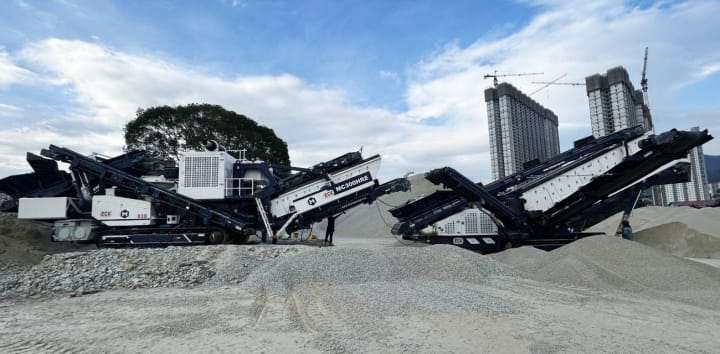
Modern cobblestone crushers are equipped with features to minimize dust and noise pollution, which are common concerns in recycling projects. Enclosed crushing chambers, water spray systems, and soundproofing materials reduce airborne particulates and noise levels. This makes recycling operations safer for workers and more acceptable for nearby communities. Efficient rock crusher machines with these environmental safeguards allow recycling projects to comply with local regulations and reduce occupational health risks.
Economic and Environmental Synergy
Investing in a cobblestone crusher provides both environmental and economic benefits. By reducing landfill fees, transportation costs, and raw material expenses, contractors can save money while adopting greener practices. Recycled cobblestones can be sold or reused in new projects, creating additional revenue streams and promoting sustainable construction practices. Utilizing a high-performance rock crusher machine ensures that recycled materials meet quality requirements, enabling broader acceptance in infrastructure and landscaping projects.
Applications of Recycled Cobblestones
Recycled cobblestones processed by a cobblestone crusher have numerous applications:
Road Construction: Crushed cobblestones can be used as base layers for asphalt or concrete roads.
Landscaping: Decorative aggregates and garden pathways benefit from uniform crushed stone sizes.
Concrete Production: Recycled cobblestones can replace part of the aggregate in concrete mixes.
Erosion Control: Crushed stone is ideal for use in retaining walls, drainage systems, and riverbank stabilization.
By processing these materials using a rock crusher machine, recycling facilities can produce aggregates that are consistent in size, shape, and durability, ensuring performance across all applications.
Conclusion
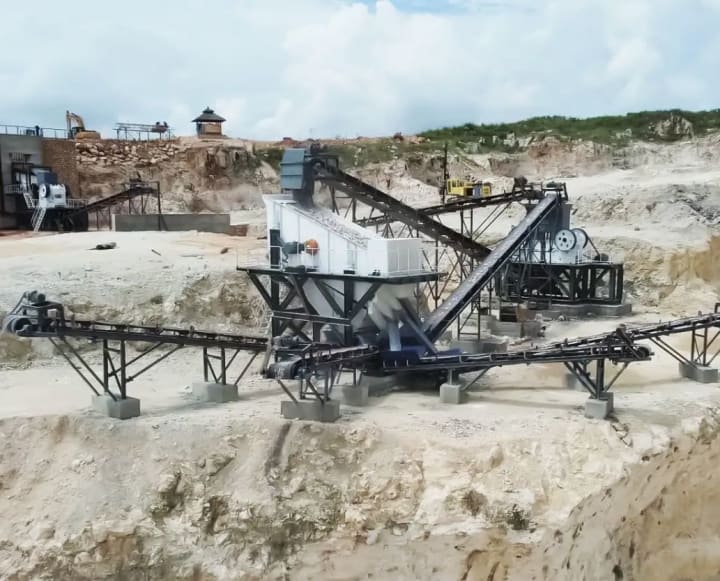
The use of a cobblestone crusher in recycling projects provides significant environmental benefits. It reduces landfill waste, conserves natural resources, lowers carbon emissions, and promotes circular construction practices. Modern rock crusher machines enhance these benefits by providing energy-efficient, high-capacity crushing with dust and noise control features. For construction companies, municipalities, and recycling facilities, investing in cobblestone crushing technology not only supports sustainable development but also improves operational efficiency and cost-effectiveness. By embracing cobblestone recycling, the industry can move toward a more environmentally responsible and economically viable future.
About the Creator
Andamine
Andamine is dedicated to offering customized crushing equipment solutions tailored to meet the diverse needs of our clients’ projects, helping you achieve efficient, sustainable, and cost-effective production goals.



Comments
There are no comments for this story
Be the first to respond and start the conversation.