
Festival Cities: How Music Festivals Shape Cultural Identity and Tourism | Devon Alexis
By Devon Alexis

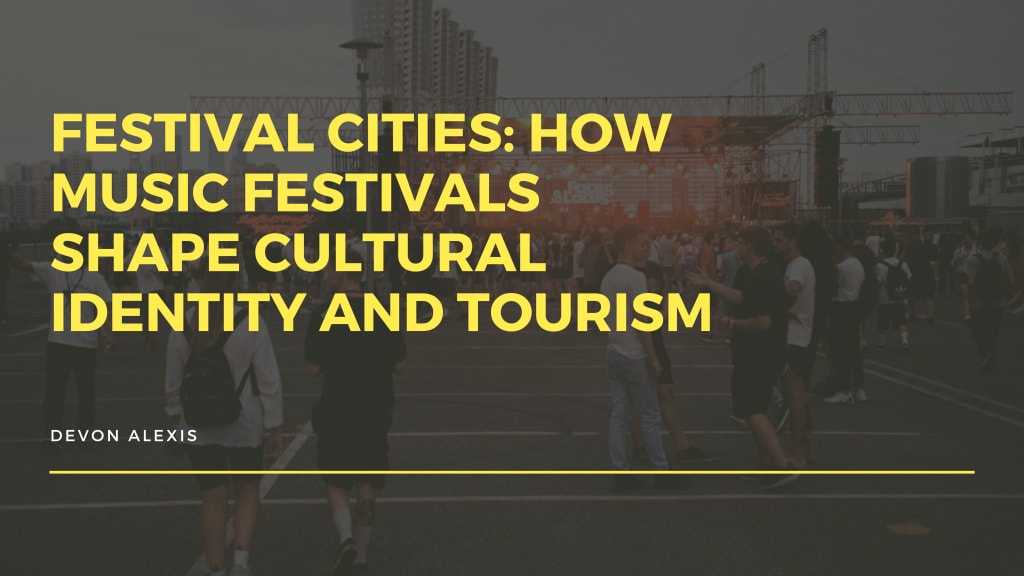
Cities around the world are often defined by their landmarks, cuisine, or history, but many are equally shaped by their music festivals. These events transform public spaces into stages where culture, creativity, and community intersect. As travel writer Devon Alexis notes, music festivals can reveal the personality of a destination in ways that traditional tourism experiences cannot. They bring together locals and visitors to celebrate art, identity, and shared experience.
Music festivals do more than entertain. They help define how a city sees itself and how it is seen by the world.
Festivals as Cultural Storytelling
Every music festival reflects the cultural roots of its location. Whether it is jazz in New Orleans, electronic music in Berlin, or folk traditions in small rural towns, festivals often grow out of local history and artistic movements. They preserve musical traditions while also encouraging innovation and new voices.
These events act as living storytelling platforms. Through performances, instruments, and rhythms, audiences experience the cultural influences that shaped the region. Festivals connect generations by honoring the past while creating space for modern interpretation.
Transforming Cities into Creative Destinations
When a music festival takes place, the entire city often becomes part of the experience. Parks, streets, theaters, and public squares turn into performance venues. Restaurants extend their hours, local artists display their work, and neighborhoods welcome new energy. The festival atmosphere spreads far beyond the main stage.
This transformation creates a sense of excitement and pride among residents. For travelers, it offers a chance to experience a destination during one of its most vibrant moments. The city feels alive with creativity, making the visit more memorable and immersive.
Driving Tourism and Local Economies
Music festivals play a significant role in tourism. Visitors travel specifically to attend these events, filling hotels, restaurants, and local businesses. The economic impact can be substantial, particularly for cities that host annual festivals known around the world.
Beyond financial benefits, festivals help shape a city’s global reputation. A strong music festival can become part of a destination’s identity, attracting visitors long after the final performance ends. Travelers may return to explore the city more deeply, inspired by the experience they had during the event.
Building Community Through Music
Music festivals also strengthen community connections. They bring together people from different backgrounds who share a common appreciation for music and culture. Local volunteers, artists, and organizers often play key roles in making these events possible, reinforcing a sense of ownership and collaboration.
For residents, festivals can become traditions that mark the passage of time. Families attend year after year, and neighborhoods develop rituals around the celebrations. These shared experiences help build cultural continuity and pride.
A Lasting Cultural Impact
Even after the stages are dismantled and crowds disperse, the influence of a music festival remains. New artists gain recognition, cultural traditions are preserved, and cities reinforce their creative identities. Festivals inspire future events, collaborations, and artistic growth.
For travelers, attending a music festival offers more than entertainment. It provides a deeper understanding of the destination and its people. The sounds, energy, and shared moments create lasting memories that connect visitors to a place in a meaningful way.
Music festivals remind us that cities are not just collections of buildings and attractions. They are living cultural landscapes, shaped by rhythm, creativity, and community.
About the Creator
Devon Alexis
Devon Alexis: Discovering the world’s melodies through travel, food, and heartfelt cultural connections. Discover more on devonalexis.blog!
Keep reading
More stories from Devon Alexis and writers in 01 and other communities.
Soundtrack of a City: How Local Music Scenes Reveal the True Soul of a Destination
Music as a Cultural Language Every city has a sound. Long before you understand its history or customs, you can often feel its spirit through the music that fills its streets, clubs, and neighborhoods. Local music scenes act as a living language, expressing everything from struggle and celebration to identity and pride. When you travel, listening to that soundtrack gives you access to emotions and stories that guidebooks can never fully explain.
By Devon Alexisabout a month ago in 01
The Role of AI in Fitness App Development in 2026
The fitness industry is undergoing a powerful digital transformation, and in 2026, artificial intelligence (AI) sits at the center of this evolution. Fitness apps are no longer limited to step counters or static workout libraries. Today’s users expect intelligent, adaptive, and highly personalized experiences that align with their health goals, lifestyles, and performance levels. AI has become the driving force behind this shift, redefining how fitness apps are designed, developed, and experienced.
By shane cornerus7 days ago in 01




Comments
There are no comments for this story
Be the first to respond and start the conversation.