
Handbags, Expression, and the Design Context of Dolce & Gabbana Bags
A balanced look at handbag design, cultural influence, and everyday function.

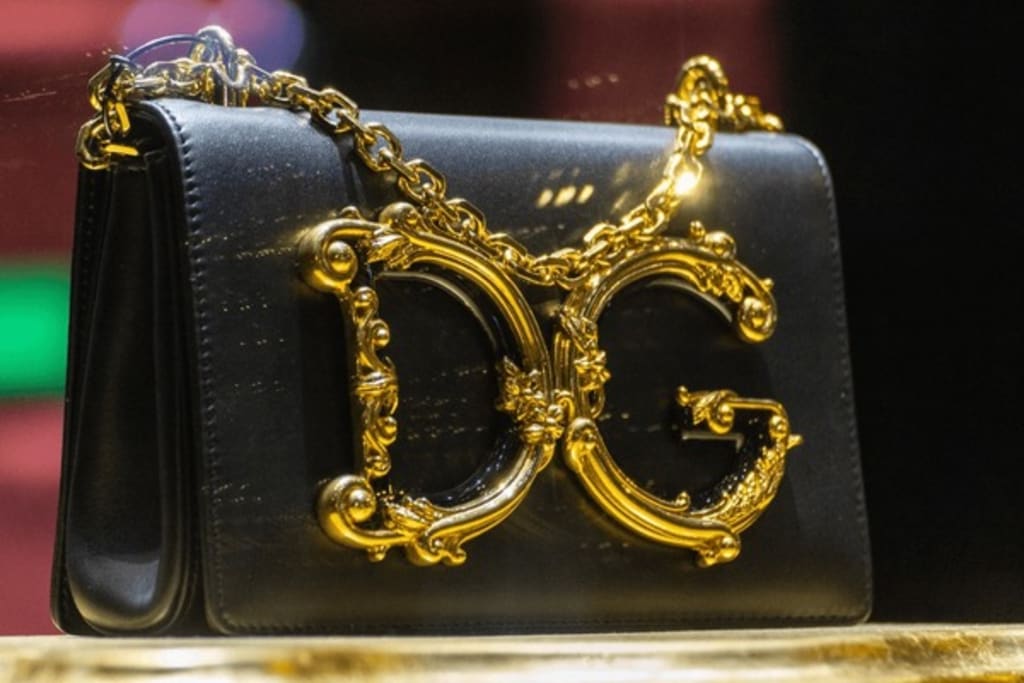
Handbags have always occupied a unique position in everyday life. Originally created as practical containers for personal belongings, they gradually evolved into objects that combine function with visual expression. Across history, handbags have reflected social roles, craftsmanship traditions, and changing lifestyles. Today, they are not only practical accessories but also indicators of cultural taste and identity.
Within this broad landscape, Dolce & Gabbana bags are often discussed in fashion analysis for their expressive design language and strong ties to Italian aesthetic traditions. Examining these handbags from a neutral, educational perspective allows them to be understood as part of the wider evolution of handbags rather than as promotional symbols.
The Practical Origins of Handbags
Before handbags became associated with fashion, they served simple purposes. Early designs were small pouches or satchels worn close to the body, intended to carry coins, documents, or tools. As clothing styles evolved and pockets disappeared from many garments, handbags became increasingly essential.
Modern handbags still serve this same fundamental role. Size, internal organization, strap design, and material durability all determine how useful a bag is in daily life. These considerations apply universally, whether discussing minimalist designs or more decorative approaches often seen in designer bags for women.
Design as Cultural Expression
Handbag design often reflects cultural identity. Shapes, colors, and decorative elements can signal regional influences or historical references. The Italian fashion house Dolce & Gabbana is frequently cited in fashion studies for drawing inspiration from Mediterranean culture, traditional craftsmanship, and expressive detailing.
From an analytical standpoint, Dolce & Gabbana bags illustrate how handbags can function as visual storytelling objects. Their designs often emphasize contrast, texture, and ornamentation, offering an alternative to minimalist trends while still maintaining functional structure.
Designer Bags for Women and Everyday Use
The category designer bags for women has expanded far beyond occasional or formal use. Contemporary lifestyles require handbags that can adapt to multiple settings, including work, travel, and social environments. As a result, designers increasingly balance aesthetic expression with comfort and usability.
This shift has influenced handbag features such as:
- Reinforced handles and straps for durability
- Compartments that support organization
- Materials chosen for both appearance and wear resistance
These functional needs shape handbag design just as much as visual trends.
Materials and Craftsmanship
Material selection plays a critical role in how handbags age and perform. Leather remains a common choice due to its strength and flexibility, while textile blends and treated fabrics offer lighter alternatives. Stitching precision, lining quality, and hardware attachment contribute significantly to a handbag’s lifespan.
When Dolce & Gabbana bags are discussed in neutral fashion commentary, attention often focuses on craftsmanship rather than branding. This approach highlights how construction techniques influence usability and longevity, providing readers with a clearer understanding of handbag quality.
Handbags as Social Symbols
Beyond their practical role, handbags act as subtle social signals. A structured handbag may suggest formality or professionalism, while a more relaxed design may imply creativity or ease. These interpretations are shaped by shared cultural understanding rather than explicit messaging.
Designer handbags, including those associated with expressive fashion houses, contribute to this shared visual language. They influence how certain styles become linked to particular moods, occasions, or identities.
A Neutral View on Style and Influence
Fashion trends are not static; they evolve in response to social change, economic conditions, and cultural exchange. Handbags, as everyday objects, reflect these shifts clearly. Analyzing them without promotional intent allows for a more meaningful discussion about why certain designs gain attention and how they relate to lived experience.
Dolce & Gabbana bags, when viewed through this lens, represent one approach to handbag design—one that values expression, heritage, and craftsmanship alongside functionality.
Conclusion
Handbags are complex objects shaped by history, culture, and everyday needs. Exploring topics such as Dolce & Gabbana bags within this broader context encourages readers to appreciate handbags as design artifacts rather than status symbols. By focusing on function, materials, and cultural influence, handbags can be understood as evolving tools that reflect how people live, move, and express themselves.
About the Creator
Keep reading
More stories from charliesamuel and writers in 01 and other communities.
Handbags, Movement, and the Design Perspective Behind D-Motion Bags
Handbags have always reflected the rhythm of daily life. Long before they were considered fashion accessories, handbags existed out of necessity, offering a practical way to carry personal belongings. As lifestyles changed, so did handbag design. Today, handbags are expected to support mobility, comfort, and organization while also aligning with personal style.
By charliesamuelabout a month ago in 01




Comments
There are no comments for this story
Be the first to respond and start the conversation.