
How Food Delivery Apps Are Transforming the Digital Dining Experience
The Technology, Convenience, and Innovation Driving Modern Food Ordering

Introduction
The way people order and enjoy food has changed dramatically in the digital era. What once required a phone call or an in-person visit to a restaurant can now be completed in seconds through a smartphone. Food delivery apps have transformed the digital dining experience by combining convenience, speed, and smart technology. These platforms are not just simplifying food orders; they are reshaping how restaurants operate and how customers interact with dining services.
The Shift Toward On-Demand Convenienc
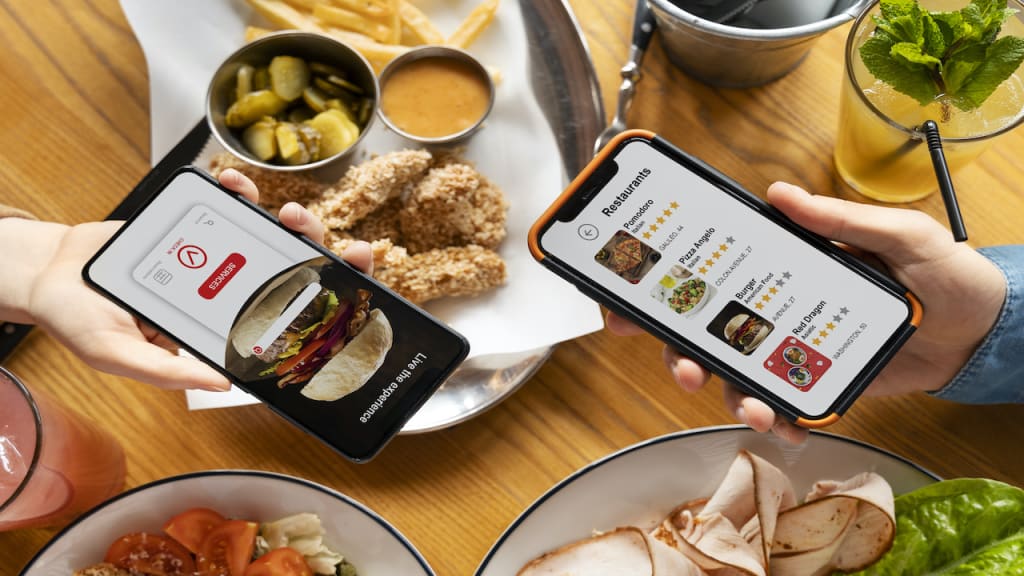
Modern consumers expect speed and simplicity. Food delivery apps meet this expectation by offering on-demand access to restaurants, menus, and payment options. With just a few taps, users can browse multiple cuisines, compare prices, read reviews, and place orders.
This shift toward digital convenience has reduced dependency on traditional ordering methods. Real-time order tracking, automated confirmations, and instant notifications create a seamless customer experience that was not possible before mobile technology became mainstream.
Mobile Technology as the Driving Force
Smartphones are at the heart of the food delivery revolution. Mobile apps provide user-friendly interfaces that make navigation simple and engaging. Features like saved addresses, personalized recommendations, and order history enhance usability.
Push notifications inform customers about discounts, estimated delivery times, and order status updates. These interactive elements improve customer satisfaction and encourage repeat usage. Mobile-first design ensures accessibility for a wide range of users.
Real-Time Tracking and Transparency
One of the most impactful innovations in food delivery platforms is real-time tracking. GPS integration allows customers to monitor their orders from preparation to delivery. This transparency builds trust and reduces uncertainty.
Restaurants and delivery partners also benefit from tracking systems. Optimized routing reduces delivery time and fuel costs, while centralized dashboards help manage multiple orders efficiently. Real-time visibility has become a standard expectation in digital dining.
Data-Driven Personalization
Food delivery apps use data analytics to enhance user experiences. By analyzing browsing history, past orders, and preferences, platforms can recommend dishes that match individual tastes.
Personalization increases engagement and improves customer retention. For example, users who frequently order vegetarian meals may receive curated suggestions or special offers tailored to their dietary preferences. Data-driven insights allow platforms to create more meaningful and relevant interactions.
Digital Payments and Secure Transactions
Cashless transactions have become an essential part of digital dining. Food delivery apps integrate secure payment gateways that support digital wallets, cards, and online banking options.
Encrypted payment systems protect user information and reduce transaction risks. The availability of multiple payment methods makes the ordering process smoother and more flexible for customers.
Cloud Infrastructure and Scalability
Behind every successful food delivery app lies a powerful technological backbone. Cloud-based infrastructure enables platforms to manage high traffic volumes, especially during peak hours such as weekends or holidays.
Cloud systems allow seamless scaling without affecting performance. Restaurants can update menus in real time, while platforms can deploy feature updates without service interruptions. This flexibility ensures a consistent user experience even during high demand.
Automation and Operational Efficiency
Automation plays a critical role in streamlining food delivery operations. Order assignments, dispatch notifications, and delivery confirmations are often automated through intelligent systems.
For restaurants, digital dashboards replace manual record-keeping. They can track incoming orders, monitor preparation times, and manage inventory efficiently. Automation reduces human error and improves service speed, benefiting both businesses and customers.
Integration With Broader Digital Ecosystems
Food delivery apps often integrate with loyalty programs, marketing tools, and customer relationship systems. These integrations help restaurants maintain strong connections with their customers.
For example, reward points and discount coupons can be automatically applied during checkout. Feedback systems collect reviews that help businesses improve service quality. The integration of multiple digital tools creates a cohesive and efficient ecosystem.
Changing Consumer Behavior
The rise of food delivery apps has also influenced consumer behavior. Many users now prefer ordering online over dining out due to convenience and time savings. Digital platforms offer flexibility, allowing customers to schedule deliveries and explore new cuisines without leaving home.
This behavioral shift has encouraged restaurants to prioritize digital presence and optimize menus specifically for delivery. Packaging, pricing strategies, and online branding have become crucial factors in success.
The Future of Digital Dining
Looking ahead, food delivery apps are expected to adopt more advanced technologies such as artificial intelligence and predictive analytics. AI-driven demand forecasting can help restaurants manage inventory more effectively.
Voice ordering, chatbots, and enhanced recommendation systems may further personalize the experience. Sustainability features, such as eco-friendly delivery options and route optimization, are also gaining attention.
As technology continues to evolve, digital dining experiences will become more intelligent, efficient, and user-centric.
Conclusion
Food delivery app development services have transformed the digital dining experience by combining mobile technology, real-time tracking, data analytics, and secure payments. These platforms have simplified ordering processes while improving operational efficiency for restaurants.
By leveraging cloud infrastructure and automation, food delivery systems continue to redefine convenience in modern dining. As innovation progresses, digital platforms will remain central to how people discover, order, and enjoy food in the connected world.
About the Creator
Nayel Basim Al Shehhi
I am James Wood a Contest Writer works as a freelance content writer.
Keep reading
More stories from Nayel Basim Al Shehhi and writers in 01 and other communities.
Top Education App Development Companies in USA 2026
Introduction The education sector in the United States continues to evolve rapidly in 2026, driven by digital transformation, AI-powered learning systems, and increasing demand for remote and hybrid education models. Modern education applications go beyond video lectures—they now include interactive learning modules, gamification features, AI-based progress tracking, virtual classrooms, real-time collaboration tools, and cloud-based content management systems.
By Nayel Basim Al Shehhia day ago in 01
Step-by-Step Guide to Resolving Proxy Errors
Even a small misconfiguration can bring your workflow to a halt. Servers worldwide handle millions of requests every second, and some fail due to proxy errors that quietly disrupt tasks like web scraping, traffic management, and e-commerce, turning routine operations into headaches. For anyone depending on proxies, knowing the common errors and how to fix them quickly is crucial. Let’s dive in.
By Swiftproxy4 days ago in 01




Comments
There are no comments for this story
Be the first to respond and start the conversation.