
How Kiosks Enhance the POS System Framework?
Discover how kiosks enhance POS systems, boosting efficiency, customer experience, and seamless transactions with smart software solutions.

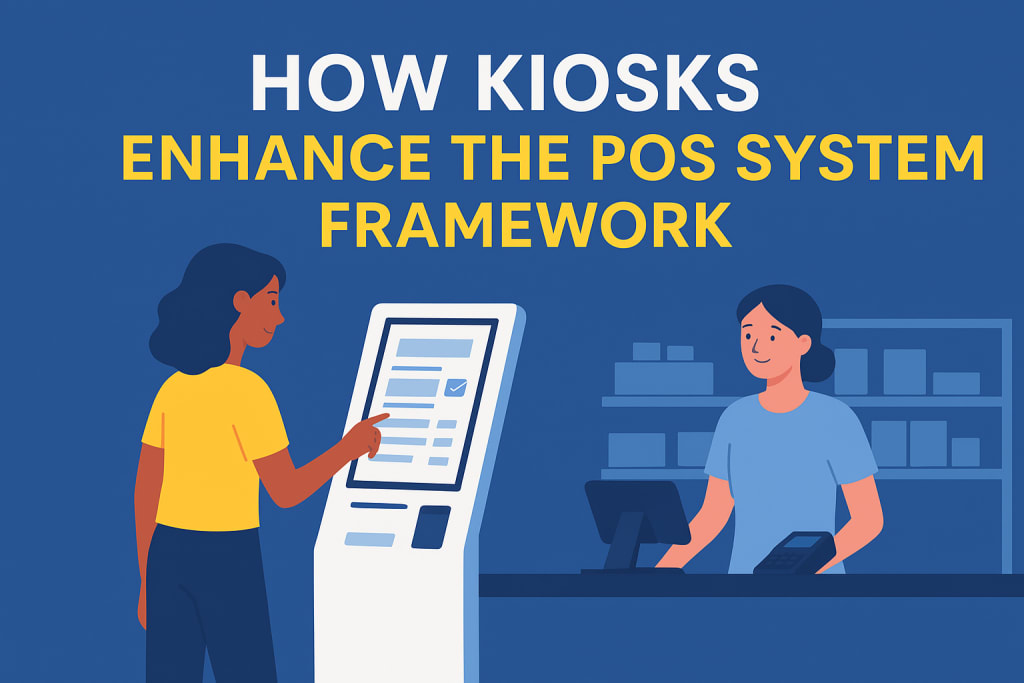
In today’s fast-paced retail and service environments, efficiency, speed, and customer experience are critical for business success. One technology that has dramatically transformed the way businesses operate is the Point of Sale (POS) system, particularly when integrated with self-service kiosks. Kiosks not only streamline operations but also enhance the overall POS system framework, making transactions faster, accurate, and more customer-centric.
Understanding POS Systems
A POS system is a combination of hardware and software that allows businesses to complete sales transactions, manage inventory, and gain valuable insights into operations. Traditionally, POS systems were restricted to cash registers and desktop software. However, modern POS systems integrate advanced software solutions, enabling businesses to operate efficiently across multiple channels.
POS software development plays a crucial role in this evolution. Companies invest in tailored POS software to suit their business needs, allowing for features such as inventory management, real-time analytics, customer relationship management (CRM), and payment processing.
The Emergence of Kiosks in POS Systems
Kiosks are self-service terminals that allow customers to interact directly with a business without requiring assistance from staff. They are now widely used in restaurants, retail stores, airports, and other service-oriented sectors. The integration of kiosks within a POS system framework offers numerous advantages:
1. Faster Transaction Processing
With kiosks, customers can place orders or make purchases themselves, reducing wait times and increasing throughput. This is particularly beneficial in high-traffic environments like fast-food chains or shopping malls.
2. Reduced Operational Costs
By leveraging kiosks, businesses can optimize staffing. Fewer cashiers or sales representatives are needed, allowing human resources to focus on value-added tasks rather than repetitive checkout processes.
3. Enhanced Customer Experience
Kiosks offer personalized experiences. Integrated with loyalty programs or CRM modules in the POS system, kiosks can suggest products, display promotions, and offer tailored recommendations, improving engagement and customer satisfaction.
Role of POS Software Development in Kiosk Integration
To maximize the benefits of kiosks, POS software development companies design solutions that ensure seamless integration between kiosks and the main POS system. This integration ensures:
- Real-time inventory updates: As customers make purchases through kiosks, stock levels are automatically updated in the POS system.
- Synchronized pricing and promotions: Any change in pricing or discount offers is reflected immediately across all kiosks.
- Unified reporting and analytics: Businesses can track sales data, customer behavior, and performance metrics across kiosks and traditional POS terminals.
A reliable POS software development company ensures that the software is scalable, secure, and compatible with various hardware, including touchscreen kiosks, printers, and scanners.
Benefits of Kiosk Integration in Retail and Hospitality
1. Retail Sector
Retailers use kiosks for self-checkout, product catalog browsing, and order placement. This not only accelerates sales but also reduces long queues, leading to a better shopping experience.
2. Restaurants and Food Services
In restaurants, kiosks allow customers to customize their orders, add special instructions, and pay instantly. This minimizes errors and speeds up service, especially during peak hours.
3. Airports and Transportation Hubs
Kiosks in airports enable ticketing, check-ins, and boarding pass printing, reducing long lines and enhancing passenger convenience.
4. Healthcare and Pharmacies
Self-service kiosks help patients register, check-in for appointments, and make payments efficiently, improving administrative workflows and patient satisfaction.
The Technology Behind Kiosks in POS Systems
The success of kiosks relies heavily on POS software development and modern technology frameworks. Key technologies include:
- Touchscreen Interfaces – User-friendly displays ensure easy navigation and quick transactions.
- Payment Gateway Integration – Secure and diverse payment options, including cards, mobile wallets, and contactless payments.
- Cloud-Based POS Systems – Enable real-time data synchronization across multiple kiosks and locations.
- Analytics and Reporting Modules – Provide insights into customer behavior, sales trends, and inventory management.
Additionally, businesses looking to enhance their kiosk experience often partner with a Fintech app development company to integrate advanced payment solutions, loyalty programs, and digital wallets, ensuring smooth financial transactions.
How Fintech App Development Companies Enhance POS Kiosk Solutions
Partnering with a Fintech app development company allows businesses to incorporate cutting-edge financial features into their kiosks. These can include:
- Mobile Payments & Wallets – Accepting digital wallets like Apple Pay, Google Pay, or proprietary mobile wallets.
- Buy Now, Pay Later (BNPL) Options – Offering customers flexible payment plans.
- Fraud Detection & Security – Ensuring secure transactions and protecting sensitive customer data.
- Analytics for Financial Insights – Monitoring payment trends and customer behavior to optimize business strategies.
By integrating fintech solutions, kiosks not only process payments faster but also create new avenues for revenue and customer engagement.
Key Advantages of Using Kiosks in POS Systems
- Efficiency and Speed – Reduce checkout times and improve operational workflows.
- Scalability – Easily add more kiosks during peak seasons without hiring additional staff.
- Customer Satisfaction – Provide personalized, self-service experiences.
- Cost Reduction – Minimize labor costs while maintaining high service quality.
- Data-Driven Decisions – Real-time analytics help in inventory management, promotions, and forecasting.
Future of Kiosks in POS Frameworks
The future of POS systems lies in automation, personalization, and intelligent technology. Kiosks will continue to evolve, incorporating:
- AI-Powered Recommendations – Suggesting products based on customer preferences.
- Voice-Activated Interfaces – Enhancing accessibility and convenience.
- IoT Integration – Connecting kiosks to smart devices and sensors for better inventory and operational control.
- Advanced Analytics – Leveraging big data to predict trends and optimize business strategies.
The collaboration between POS software development companies and Fintech app development companies will drive innovation, making kiosks an indispensable part of modern POS systems.
Conclusion
Integrating kiosks into the POS system framework significantly enhances efficiency, customer satisfaction, and operational insights. With the help of POS software development companies and Fintech app development companies, businesses can leverage kiosk technology to streamline transactions, reduce costs, and deliver personalized experiences.
As technology advances, kiosks will continue to play a pivotal role in shaping the future of retail, hospitality, and service industries. Embracing this technology today prepares businesses for a more automated, intelligent, and customer-focused tomorrow.
About the Creator
Tarun Nagar
Tarun Nagar is the CEO of Dev Technosys, a leading blockchain development company. With a vision for innovation, he drives the company to deliver cutting-edge solutions in blockchain and decentralized technologies.
Keep reading
More stories from Tarun Nagar and writers in 01 and other communities.
POS Systems & AI: From Faster Checkouts to Personalized Shopping
In the fast-paced world of retail and eCommerce, POS systems have evolved far beyond just recording sales. They are now at the core of a business’s customer experience, inventory management, and overall operations. With the introduction of Artificial Intelligence (AI), POS systems are transforming into smart, adaptive, and customer-centric solutions. From speeding up checkout times to offering personalized shopping recommendations, AI-powered POS systems are reshaping how businesses interact with their customers.
By Tarun Nagar6 months ago in 01
How ERP Solutions Are Driving Digital Transformation for SMEs
In today's rapidly evolving business landscape, small and medium-sized enterprises (SMEs) are finding themselves at a crossroads. With increasing competition, changing customer expectations, and the constant pressure to innovate, SMEs are seeking new ways to streamline operations, improve efficiency, and scale effectively. Enter Enterprise Resource Planning (ERP) solutions — a game-changer for SMEs looking to navigate the complexities of modern business environments.
By Mentoria Team7 days ago in 01
Today’ Show’s Savannah Guthrie Pleads for Safe Return of Missing Mother
Savannah Guthrie is known to millions as a steady, composed presence on morning television. As a longtime co-anchor of NBC’s Today show, she has covered countless stories involving crisis, loss, and resilience. Recently, however, Guthrie stepped into a far more personal role, using her public platform to plead for the safe return of a missing mother, a moment that resonated deeply with viewers and highlighted the human side of news. During an emotional appeal, Guthrie addressed the audience not as a journalist, but as a fellow parent and concerned citizen. Her message was direct and heartfelt, emphasizing hope, compassion, and the urgency of bringing a loved one home safely. The plea quickly spread beyond television, drawing attention across social media and news outlets. Cases involving missing persons are tragically common, yet they often struggle to maintain public awareness beyond the first few days. Guthrie’s involvement helped cut through that pattern. By lending her voice and visibility, she reminded audiences that behind every headline is a family waiting for answers. Her appeal focused not on speculation, but on humanity, urging anyone with information to come forward and emphasizing the importance of community support. What made the moment particularly powerful was its simplicity. Guthrie did not sensationalize the situation or attempt to draw conclusions. Instead, she centered the message on safety and empathy, underscoring that the priority was the mother’s well-being. This restraint reflected her background as a journalist, even as she spoke from a place of personal concern. Viewers responded strongly. Many expressed appreciation for Guthrie’s willingness to pause the usual rhythm of morning television to address something deeply serious. Others noted how the appeal reminded them of similar cases that often fade from attention too quickly. The response highlighted how influential public figures can play a constructive role when they use their platforms responsibly. The incident also sparked broader conversations about missing persons coverage. Advocates have long argued that media attention can significantly impact the outcome of such cases, particularly in the early stages. When high-profile voices amplify these stories, they can help mobilize tips, resources, and awareness that might otherwise be lacking. Guthrie’s plea stood out because it avoided the pitfalls that sometimes accompany celebrity involvement. There was no attempt to center herself or dramatize the situation. Instead, she focused squarely on the missing mother and her family, reinforcing the idea that compassion, not attention, was the goal. For Guthrie, the moment was consistent with how she has approached difficult stories throughout her career. She has often spoken about the responsibility that comes with public trust, especially when dealing with vulnerable individuals. In this case, that responsibility extended beyond reporting into advocacy, even if only briefly. The appeal also served as a reminder of the emotional toll such situations take on families. Waiting for news, clinging to hope, and navigating uncertainty can be overwhelming. By speaking directly to viewers, Guthrie helped humanize that experience, making it more than a distant news item. While updates on the situation remain closely followed, Guthrie’s message continues to echo: awareness matters, empathy matters, and community involvement can make a difference. Her plea was not just a call for information, but a reminder that society shares a collective responsibility to look out for one another. In an era where news cycles move quickly and attention is fragmented, moments like this stand out. They show how journalism and humanity can intersect, and how a familiar face can help refocus attention on what truly matters. Savannah Guthrie’s appeal for the safe return of a missing mother was not about ratings or headlines—it was about hope, and the belief that bringing people together can help bring someone home
By Saboor Brohi 6 days ago in 01



Comments
There are no comments for this story
Be the first to respond and start the conversation.