
How Pilates Leg Exercises Benefit Seniors: Maintaining Mobility and Flexibility
How Pilates Leg Exercises Benefit Seniors: Maintaining Mobility and Flexibility

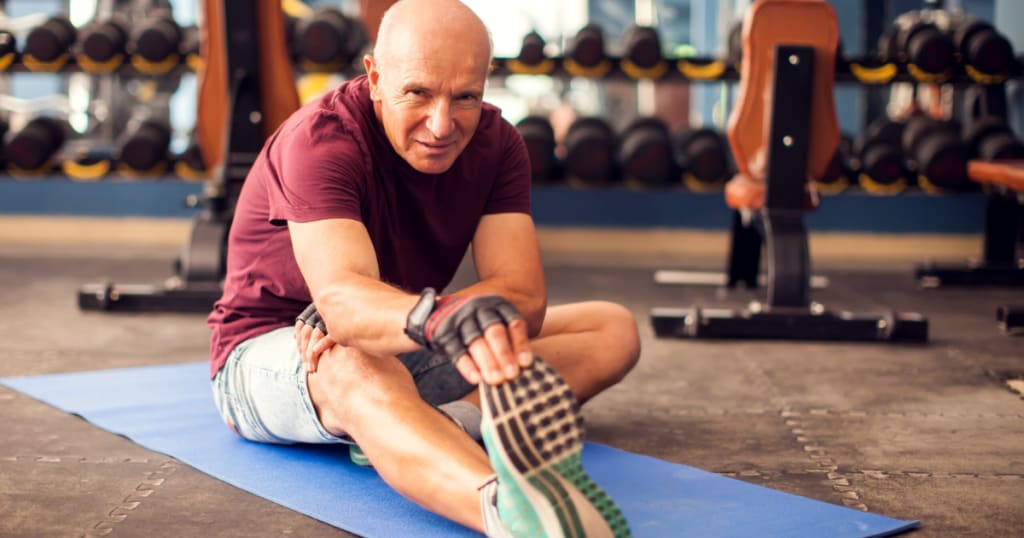
As we age, maintaining mobility and flexibility becomes a significant focus for improving our quality of life. For seniors, keeping the body strong, flexible, and capable of moving with ease is essential not only for daily activities but also for overall well-being. Pilates, a low-impact exercise method that focuses on core strength, flexibility, and alignment, offers an effective way to address these needs. Among the various aspects of Pilates, leg exercises stand out as a particularly beneficial form of movement for older adults.
In this article, we will explore how Pilates leg exercises help seniors maintain and improve their mobility and flexibility, as well as provide practical guidance on how they can be safely incorporated into daily routines.
Understanding Pilates and Its Benefits for Seniors
Pilates was developed in the early 20th century by Joseph Pilates, initially as a rehabilitation tool for injured soldiers. Since then, it has grown into a widely practiced fitness regimen that emphasizes controlled movements, breathing, and the alignment of the body. Its low-impact nature makes it particularly suitable for seniors, who may have joint concerns or limited mobility.
Pilates focuses on strengthening the muscles of the core, legs, and arms, improving posture, flexibility, and overall body awareness. By improving core strength and flexibility, Pilates can help seniors maintain their independence, reduce the risk of falls, and improve balance.
The principles of Pilates include concentration, control, center, flow, precision, and breath. These principles guide the movements and ensure that the exercises are both effective and safe. For seniors, Pilates provides a gentle yet powerful way to strengthen muscles, increase flexibility, and enhance coordination—without putting undue stress on the joints.
The Importance of Leg Exercises for Seniors
As we age, the muscles and joints in the legs can become stiff, weak, or less responsive. This decline in strength and flexibility can lead to problems with walking, balance, and performing basic daily activities such as climbing stairs or getting in and out of a chair. Leg exercises are essential for seniors to maintain mobility and reduce the risk of injuries like falls, which become more prevalent as we age.
Key benefits of leg exercises for seniors:
- Improved Flexibility: As we age, muscles naturally lose their elasticity. Leg exercises, such as stretching and controlled movements, help maintain and improve flexibility, which allows seniors to move with greater ease.
- Increased Strength: Strong leg muscles are crucial for supporting the body and preventing falls. Weakness in the legs can lead to difficulty with walking, standing, and balancing. Strengthening exercises can reverse this decline, improving mobility and overall function.
- Better Balance and Coordination: Pilates leg exercises focus on coordination and balance, helping seniors develop better control over their movements and reducing the risk of falls. This is particularly important for seniors, as a loss of balance can have serious consequences.
- Joint Health: Pilates leg exercises are often performed with controlled movements and gentle stretches, which can help lubricate the joints and maintain joint health. This is especially beneficial for those with arthritis or other joint conditions.
- Enhanced Circulation: Many leg exercises in Pilates also work to improve circulation. By engaging large muscle groups in the legs, Pilates encourages blood flow and reduces the risk of blood clots and varicose veins, both common concerns for seniors.
Pilates Leg Exercises: Key Movements for Seniors
Now that we understand the benefits of leg exercises for seniors, let’s take a look at some specific Pilates leg movements that are particularly effective for improving mobility and flexibility. These exercises can be done with or without props, such as a mat or resistance bands, and are often modified to suit individual needs.
1. Leg Circles
Position: Lie on your back with your arms by your sides. Extend one leg up toward the ceiling, keeping your other leg flat on the mat.
Movement: Slowly draw small circles in the air with your extended leg, keeping your hips stable. Perform 5-10 circles in one direction, then reverse the direction for another 5-10 circles. Repeat on the other leg.
Benefits: Leg circles help improve hip flexibility and strengthen the muscles of the legs, particularly the hip flexors and quadriceps. They also engage the core to maintain stability.
2. Bridge Pose
Position: Lie on your back with your knees bent and feet flat on the mat, hip-width apart. Your arms should be by your sides.
Movement: Press your feet into the mat as you lift your hips off the floor, creating a straight line from your shoulders to your knees. Hold for a few seconds, then lower your hips back down to the mat with control. Repeat 8-10 times.
Benefits: The Bridge Pose strengthens the glutes, hamstrings, and lower back muscles. It also improves spinal alignment and activates the core for better balance.
3. Leg Slides
Position: Lie on your back with your knees bent and feet flat on the mat. Place your arms by your sides for support.
Movement: Slowly slide one leg out, straightening it along the mat, then slide it back to the starting position. Repeat with the other leg. Perform 10-15 repetitions on each side.
Benefits: Leg slides are excellent for improving the flexibility and strength of the hip flexors, quadriceps, and hamstrings. They also work to enhance the control of leg movements, improving overall coordination.
4. Standing Leg Lifts
Position: Stand tall with your feet hip-width apart and your hands resting on a chair or wall for balance.
Movement: Slowly lift one leg out to the side, keeping the knee straight and the foot flexed. Hold for a few seconds, then lower the leg back down. Repeat 10-12 times on each leg.
Benefits: This exercise strengthens the hip abductors, glutes, and outer thigh muscles, improving balance and overall leg strength. It also enhances stability when standing or walking.
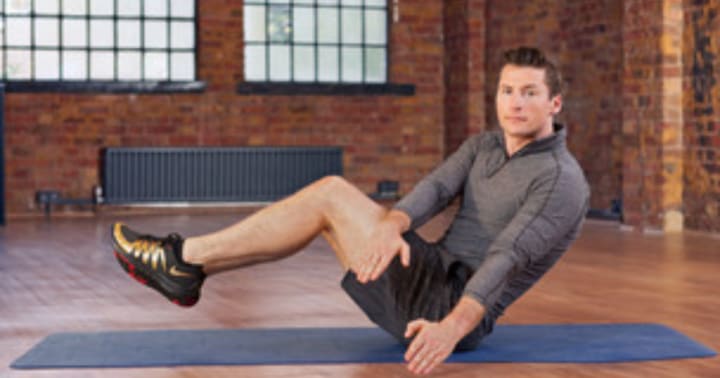
5. Clamshells
Position: Lie on your side with your knees bent and feet stacked on top of each other. Rest your head on your lower arm and place your upper hand on your hip for support.
Movement: Keeping your feet together, slowly lift your top knee toward the ceiling, then lower it back down. Perform 10-15 repetitions on each side.
Benefits: Clamshells target the hip abductors, glutes, and outer thighs, which are crucial for walking, standing, and maintaining balance.
Integrating Pilates into a Senior’s Routine
To gain the full benefits of Pilates leg exercises, consistency is key. Incorporating these exercises into a regular fitness routine can help seniors maintain mobility and flexibility over time. Ideally, seniors should aim for at least 2-3 Pilates sessions per week, with each session lasting 20-30 minutes.
It’s important for seniors to listen to their bodies and modify exercises as needed. Working with a certified Pilates instructor who has experience with seniors can provide personalized guidance and ensure that exercises are performed safely. Many Pilates studios offer specialized classes for older adults, such as the ones offered at Powerhouse Pilates, where instructors can make adjustments to accommodate different abilities.
Incorporating Pilates leg exercises into everyday life is also beneficial. Activities such as walking, gardening, or even climbing stairs can be enhanced by strengthening the legs through Pilates movements.
Consult with Your Doctor Before Exercising
It’s essential to consult with your doctor if you have any medical issues before starting a new exercise routine. Pilates can be incredibly beneficial, but like any physical activity, it’s important to ensure that it’s safe for your specific health needs. Always perform exercises within your comfort range and avoid pushing yourself beyond your physical limits.
Conclusion
Pilates offers a gentle yet effective way for seniors to maintain their mobility, flexibility, and leg strength. By incorporating Pilates leg exercises into their routines, seniors can reduce the risk of falls, improve their balance, and enhance their overall quality of life. Whether performed at home or in a class setting, these exercises help seniors stay independent and active as they age.
For seniors looking to learn more or find Pilates classes tailored to their needs, exploring Powerhouse Pilates can be a great starting point. With the right guidance and regular practice, Pilates can become an integral part of a senior's health and wellness routine.
About the Creator
Keep reading
More stories from Gourav Singh and writers in 01 and other communities.
How Accelerated Pilates Can Improve Flexibility in Record Time
Flexibility is an essential component of overall health and wellness. Whether you're an athlete aiming to improve your performance, a busy professional looking to relieve tension, or someone simply striving for better mobility, flexibility enhances your quality of life in many ways. For those looking to increase their flexibility quickly and efficiently, Pilates has emerged as a powerful method. Particularly when approached with an accelerated mindset, Pilates offers a focused and effective way to improve flexibility in record time.
By Gourav Singh11 months ago in 01
US Lawmakers Push Bill to Screen Sales of Potentially Dangerous Synthetic DNA
In a move reflecting growing concern over the rapid advances in biotechnology, U.S. lawmakers have introduced legislation that would regulate the sale of synthetic DNA, a step experts say is essential to prevent potentially dangerous materials from falling into the wrong hands. The proposed bill, unveiled last week in Congress, would establish stricter screening requirements for companies that synthesize and sell DNA sequences, particularly those that could be used to create harmful pathogens. Synthetic DNA, often referred to as “gene fragments,” is a tool widely used in research laboratories, medical development, and biotechnology industries. While the technology has revolutionized medicine, allowing scientists to create vaccines, engineer microbes for environmental cleanup, and develop personalized therapies, it also carries inherent risks. Certain DNA sequences can be misused to produce viruses or toxins, making them a potential bioterrorism threat. Currently, the United States has guidelines in place for screening DNA orders, primarily led by the International Gene Synthesis Consortium (IGSC), a voluntary industry group. However, lawmakers and biosecurity experts have argued that voluntary compliance is insufficient to prevent malicious actors from obtaining harmful genetic material. The new bill seeks to codify these screening processes into law, ensuring that companies selling synthetic DNA are legally obligated to verify the identity and intent of customers. The legislation specifically targets sequences that could be used to manufacture dangerous pathogens, including those listed as select agents by the Centers for Disease Control and Prevention (CDC). Companies would be required to conduct thorough background checks and maintain detailed records of all orders. Violations could result in significant fines, criminal charges, or revocation of business licenses. “Advances in synthetic biology are outpacing the regulatory framework,” said Senator Elizabeth Warren, one of the bill’s co-sponsors. “We have a responsibility to ensure that these powerful tools are used to save lives, not put them at risk. This legislation is about striking a balance between scientific innovation and public safety.” Supporters of the bill argue that it is a proactive measure. The accessibility of DNA synthesis technology has grown exponentially over the past decade. Previously, creating genetic material for research was limited to well-funded laboratories, but now, small startups and even hobbyists can order custom sequences online. While this democratization of science has many benefits, it also raises the potential for misuse. Experts warn that without proper oversight, individuals or groups could theoretically synthesize harmful viruses, making biosecurity a critical concern. The bill also emphasizes collaboration with federal agencies such as the Department of Health and Human Services (HHS) and the Federal Bureau of Investigation (FBI). These agencies would provide guidance on threat assessment and help ensure that companies follow rigorous screening protocols. Additionally, the legislation calls for periodic audits and reporting requirements, ensuring transparency and accountability in the rapidly evolving synthetic biology sector. Industry response to the proposed legislation has been mixed. Some biotech firms support the measure, recognizing that standardizing safety protocols could prevent dangerous incidents and increase public trust in synthetic biology. “We welcome clear guidelines,” said Dr. Amy Chen, CEO of Genomic Solutions Inc. “The vast majority of scientists are responsible, but having enforceable standards protects both the public and the integrity of the field.” However, some smaller companies and independent researchers have expressed concerns that overly strict regulations could stifle innovation. They argue that compliance costs may disproportionately impact startups and academic labs, potentially slowing progress in areas like gene therapy, synthetic vaccines, and agricultural biotechnology. The lawmakers behind the bill have acknowledged these concerns and are reportedly considering exemptions or support programs for small businesses to mitigate the impact. Biosecurity experts also note that legislation alone cannot completely eliminate risk. “No system is foolproof,” said Dr. Michael O’Connor, a synthetic biology policy specialist. “Determined actors could still attempt to bypass regulations. But a legal framework for screening orders creates accountability and reduces the chances of accidental or malicious misuse. It’s an important step forward.” The bill has bipartisan support, reflecting a shared recognition of the potential threats posed by synthetic biology. In recent years, concerns over biosecurity have intensified due to high-profile incidents involving laboratory accidents, unauthorized research, and discussions about engineered pathogens in academic publications. Lawmakers see the legislation as a timely response to a technological landscape that is changing faster than existing regulatory structures. Beyond national security, advocates argue that the legislation could have broader benefits. By establishing clear standards, it could foster international collaboration, encouraging other countries to adopt similar measures. Standardized screening could also reassure the public that synthetic biology is being conducted responsibly, potentially reducing fear and misinformation about emerging biotechnologies. The legislative process is expected to take several months, with committee hearings scheduled to explore both the technical aspects of DNA screening and the potential economic impacts on the biotech sector. Lawmakers are seeking input from scientists, industry representatives, bioethicists, and public health officials to ensure that the final version of the bill strikes an appropriate balance between safety and innovation. As synthetic biology continues to advance, the introduction of this bill highlights the ongoing challenge of governing powerful new technologies. The goal is to prevent misuse while allowing legitimate research and innovation to flourish. If passed, the legislation would represent a significant step in ensuring that synthetic DNA—one of the most powerful tools in modern science—is handled responsibly and safely. Ultimately, the bill underscores a broader principle: as science pushes the boundaries of what is possible, society must develop mechanisms to manage risk without stifling discovery. Striking that balance is never easy, but proponents argue it is necessary to protect public health, maintain national security, and support the continued growth of the biotechnology industry. With Congress taking these measures seriously, the U.S. could set a global precedent for regulating synthetic DNA sales, showing that responsible oversight can coexist with scientific progress. As lawmakers, scientists, and industry leaders continue to collaborate, the hope is that society will benefit from the promise of synthetic biology while minimizing the risks inherent in its misuse.
By Saboor Brohi 3 days ago in 01
Sabre API Sandbox vs Production: What Changes When You Integrate?
Building a travel booking platform is exciting, but the real challenge begins when you move from testing to handling real users and real bookings. Many teams feel confident while working in a test environment, only to face unexpected issues when they go live. This is especially common when working with travel technology platforms, where data accuracy, pricing, and booking behavior can change dramatically outside a testing setup.
By Nico Gonzalez5 days ago in 01




Comments
There are no comments for this story
Be the first to respond and start the conversation.