
How POS Software Development Is Transforming Retail Businesses in 2026
How POS Software Development Is Transforming Retail Businesses in 2026

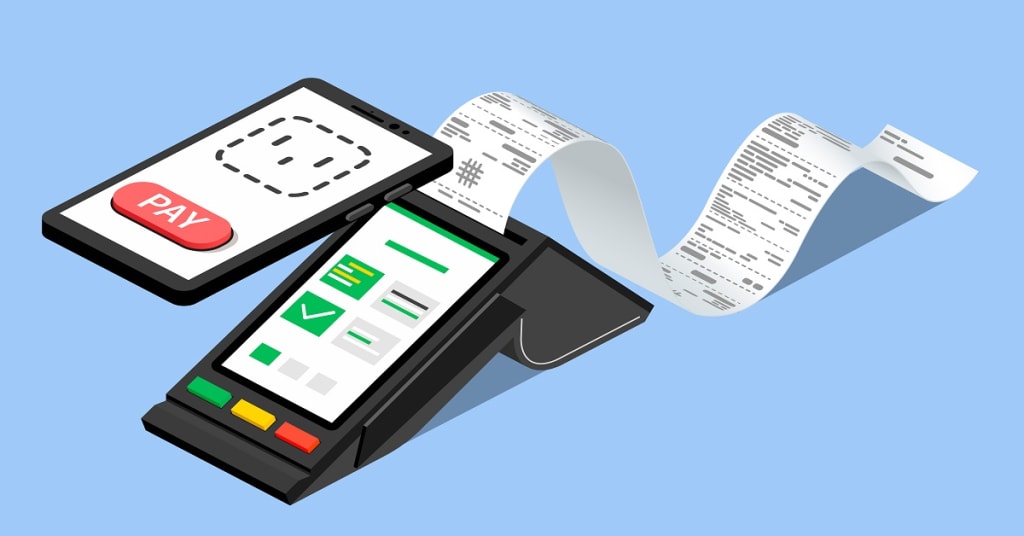
Retail in 2026 looks dramatically different from what it did just a few years ago. The shift toward digital-first shopping experiences, omnichannel sales strategies, and data-driven decision-making has reshaped the industry. At the center of this transformation is POS software development.
Modern Point-of-Sale (POS) systems are no longer limited to processing transactions. Today, they act as intelligent retail management platforms that connect sales, inventory, customer relationships, analytics, and even marketing campaigns — all in real time. As businesses strive to meet rising customer expectations and streamline operations, advanced POS solutions are becoming a strategic necessity rather than just a tool.
Let’s explore how POS software development is transforming retail businesses in 2026.
1. From Cash Registers to Smart Retail Ecosystems
Traditional POS systems were primarily designed to process payments and print receipts. In contrast, modern POS software functions as a comprehensive retail ecosystem.
Today’s systems integrate:
- Inventory management
- Customer relationship management (CRM)
- Employee performance tracking
- Loyalty programs
- E-commerce platforms
- Accounting tools
This centralized structure eliminates the need for multiple disconnected tools. Retailers can manage their entire operation from a single dashboard, improving efficiency and reducing operational complexity.
2. Enabling Seamless Omnichannel Retail
Customers in 2026 expect flexibility. They browse online, purchase in-store, request curbside pickup, and return products through different channels. POS software development services now focuses heavily on omnichannel integration.
- Modern POS systems synchronize:
- Online stores and physical locations
- Real-time inventory updates
- Unified customer data
- Cross-channel loyalty programs
For example, if a customer buys a product online and chooses in-store pickup, the POS system automatically updates inventory and notifies store staff. This seamless coordination enhances customer satisfaction while preventing stock discrepancies.
3. Powering Mobile and Contactless Payments
Consumer payment preferences have evolved significantly. Digital wallets, QR codes, tap-to-pay cards, and buy-now-pay-later services dominate checkout counters.
- POS software development in 2026 supports:
- NFC and contactless payments
- Mobile wallet integrations
- Digital invoices and receipts
- Subscription billing models
Mobile POS systems, especially tablet-based and smartphone-enabled platforms, allow sales associates to process transactions anywhere on the sales floor. This reduces checkout queues and enhances the shopping experience.
4. Real-Time Inventory Management
Inventory management is one of the most critical aspects of retail. Overstocking ties up capital, while understocking results in missed sales.
- Modern POS software provides:
- Real-time stock tracking
- Automated low-stock alerts
- Demand forecasting using analytics
- Multi-location inventory synchronization
Retailers can now monitor stock levels across multiple stores and warehouses in real time. Advanced systems even use predictive analytics to forecast demand based on seasonal trends, sales history, and customer behavior.
This reduces waste, prevents stockouts, and optimizes purchasing decisions.
5. Data-Driven Decision Making
Retail success in 2026 depends heavily on data. POS software development now emphasizes advanced reporting and analytics capabilities.
- Retailers gain access to:
- Sales performance reports
- Customer purchasing trends
- Product performance metrics
- Peak shopping hours analysis
- Profit margin breakdowns
With these insights, business owners can identify best-selling products, optimize pricing strategies, and design targeted promotions. Instead of relying on guesswork, retailers now make informed decisions backed by real-time data.
6. Enhancing Customer Experience Through Personalization
Personalization has become a key differentiator in competitive retail markets. Modern POS systems store detailed customer profiles, including purchase history, preferences, and loyalty points.
- This allows retailers to:
- Offer personalized discounts
- Recommend products at checkout
- Send targeted promotions
- Create loyalty rewards based on buying habits
When a returning customer makes a purchase, the POS system can instantly recognize them and suggest relevant offers. This level of personalization improves customer satisfaction and encourages repeat purchases.
7. Improving Employee Productivity and Management
POS software development also focuses on internal operations. Retailers can track employee performance, manage shifts, and monitor sales productivity directly through the system.
- Key features include:
- Employee login tracking
- Sales performance reports per staff member
- Shift scheduling tools
- Commission calculation automation
Store managers gain clear visibility into team performance and can make better staffing decisions. This results in improved productivity and better customer service.
8. Strengthening Security and Compliance
Security remains a top priority for retailers handling sensitive payment information. Modern POS systems are built with advanced security features such as:
- End-to-end encryption
- Tokenization of payment data
- Multi-factor authentication
- PCI compliance standards
Cloud-based POS platforms also provide automatic updates, ensuring businesses stay protected against emerging threats. Enhanced cybersecurity builds trust among customers and protects retailers from financial losses.
9. Supporting Scalability and Business Growth
Retail businesses aiming to expand need scalable technology. POS software development in 2026 focuses on cloud-native architecture, allowing businesses to add new stores, users, and features without major infrastructure upgrades.
- Scalable POS systems support:
- Multi-store management
- Multi-currency transactions
- Multi-language interfaces
- Franchise-level reporting
Whether a retailer operates one store or fifty, modern POS systems adapt to growth seamlessly.
10. Integrating Artificial Intelligence and Automation
Artificial Intelligence (AI) is playing an increasing role in POS systems. AI-driven features now include:
- Smart inventory forecasting
- Dynamic pricing recommendations
- Automated reordering systems
- Customer behavior predictions
Automation reduces manual workload and improves operational efficiency. Retailers can focus more on strategy and customer engagement rather than administrative tasks.
The Future of Retail Powered by POS Innovation
In 2026, POS software development is not just about checkout systems — it’s about enabling a smarter, more connected retail environment. From mobile payments and omnichannel integration to AI-powered insights and personalized shopping experiences, POS systems are redefining how retail businesses operate.
- Retailers who invest in modern POS solutions gain:
- Greater operational efficiency
- Improved customer satisfaction
- Better data visibility
- Increased revenue opportunities
- Enhanced security and compliance
As consumer expectations continue to evolve, businesses must adopt flexible, scalable, and intelligent POS platforms to stay competitive. The transformation happening today signals a future where retail is faster, smarter, and more customer-centric than ever before.
About the Creator
shane cornerus
Shane Corn is the SEO Executive at Dev Technosys, a Flower Delivery App Development company with a global presence in the USA, UK, UAE, and India.
Keep reading
More stories from shane cornerus and writers in 01 and other communities.
The Role of AI in Fitness App Development in 2026
The fitness industry is undergoing a powerful digital transformation, and in 2026, artificial intelligence (AI) sits at the center of this evolution. Fitness apps are no longer limited to step counters or static workout libraries. Today’s users expect intelligent, adaptive, and highly personalized experiences that align with their health goals, lifestyles, and performance levels. AI has become the driving force behind this shift, redefining how fitness apps are designed, developed, and experienced.
By shane cornerusa day ago in 01
Japan Gym Equipment Market: Size, Share and Outlook 2026-2034
Market Overview The gym equipment industry in Japan plays an important role in supporting the country’s growing focus on health, wellness, and active lifestyles. Gym equipment includes cardiovascular machines, strength-training equipment, free weights, functional training systems, and fitness accessories used across commercial gyms, home settings, corporate wellness centers, and rehabilitation facilities. As awareness of preventive healthcare and physical fitness continues to rise, demand for modern and efficient workout solutions is steadily increasing.
By Torrie wilsonabout 7 hours ago in 01
Brad Karp
Brad S. Karp is a name that resonates deeply within the world of high‑stakes litigation and corporate law. For decades, Karp has been one of the most influential lawyers in the United States, shaping major legal battles, advising Fortune 100 companies, and leading one of America’s premier law firms — Paul, Weiss, Rifkind, Wharton & Garrison LLP, commonly known as Paul Weiss.
By Saboor Brohi 6 days ago in 01



Comments
There are no comments for this story
Be the first to respond and start the conversation.