
How Sports Unite (or Divide) Nations
Importance of Sports

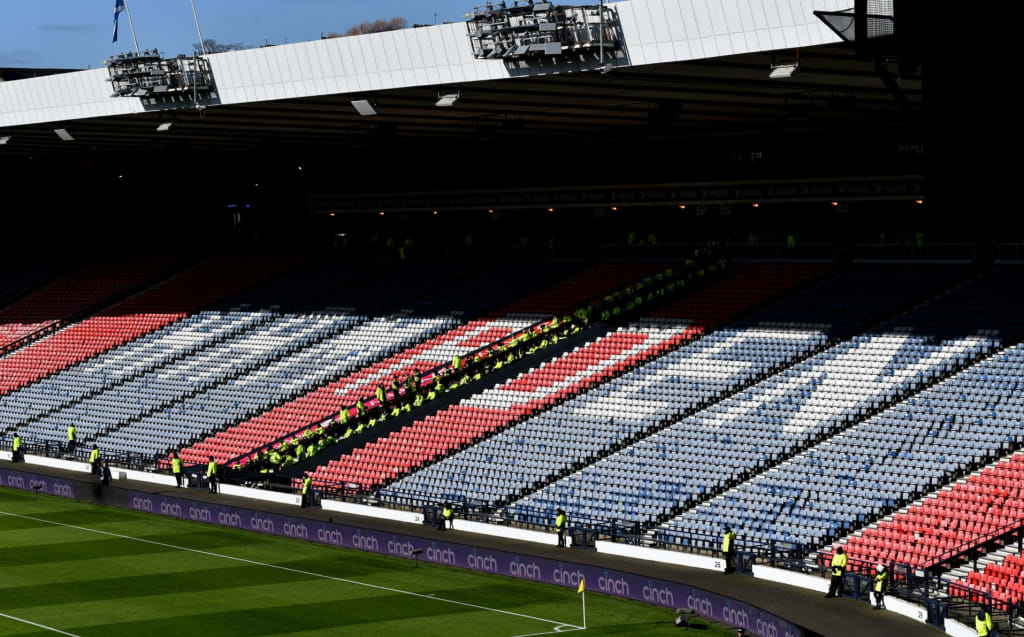
Sports are more than just games. They have the power to bring people together — or push them apart. Whether it's the World Cup, the Olympics, or a local derby, sports touch emotions, identities, and politics in ways few things can.
Shared Identity and National Pride
Sports often give people a reason to come together and feel proud of where they’re from. When a national team plays, the whole country watches. No matter someone’s background, politics, or job, they become part of something bigger. In that moment, everyone’s cheering for the same thing. That feeling builds a shared identity.
A good example is the 1995 Rugby World Cup in South Africa. Just after the end of apartheid, the national team won the championship. It wasn’t just about sports — it was about showing the world, and each other, that the country was trying to move forward together. Nelson Mandela wore the team jersey. The stadium erupted. It became a symbol of unity.
The same happens in other countries too. When France won the 2018 World Cup, people from many different cultures and backgrounds celebrated together. The team itself reflected that diversity, and it made many feel like they belonged.
Sport can give people hope, pride, and a sense of belonging. It reminds them that, despite daily struggles or differences, they’re all part of the same nation. That’s why wins feel so powerful. They’re not just about the game — they’re about the people watching it, together.
A Common Language Across Borders
Sports don’t need translation. You can go to a match in another country, not understand a word, and still know when to cheer. The rules, the rhythm, and the emotion speak for themselves. That’s why sports often become a shared language for people from different parts of the world.
Think about football (soccer). It’s played in almost every country. People from Brazil, Japan, and Nigeria might not speak the same language, but they all understand what a goal means. They know the offside rule, how a penalty works, and what it feels like to win or lose. That shared knowledge creates a connection between fans and players around the globe.
You see the same thing in basketball, cricket, or tennis. Fans trade highlights online. Kids in different countries copy the same moves from their favorite athletes. They wear the same jerseys. They join the same online forums. In that way, sports become a bridge — something that connects people, no matter where they live.
Even during tense times, a shared love of sports can lead to moments of peace. Friendly matches between rival nations sometimes open the door to conversation and cooperation. And athletes who compete internationally often form friendships that cross borders.
In a divided world, sports offer something rare: a space where people can connect through shared joy, competition, and respect — even if they don’t share anything else.
But Sports Can Divide Too
While sports often bring people together, they can also create division. Rivalries between teams or nations sometimes go beyond the field. What starts as friendly competition can turn into tension, even violence.
One major reason is national pride. When countries with a history of conflict face each other in sports, the match becomes more than just a game. A win or loss can stir up old anger. For example, football matches between countries like Serbia and Albania or India and Pakistan have sparked protests and fights. The emotions are strong — and not always healthy.
Club rivalries can also divide communities. In cities like Glasgow, Scotland, the rivalry between Celtic and Rangers isn’t just about football. It’s tied to religion, politics, and history. Fans don’t just support a team — they represent sides of long-standing divisions. In those cases, sports don’t heal wounds; they deepen them.
Media and social platforms can make things worse. Clips taken out of context, angry posts, or fan clashes spread quickly online. A bad call or unfair loss can turn into hate. And some people use sports to push political agendas, creating even more division.
Sports are powerful because they deal with identity and emotion. When people tie their pride to a team or flag, they may lash out when things go wrong. The same passion that unites fans can also separate them.
So while sports have the power to connect, they also carry risk. Whether they unite or divide often depends on how we play, watch, and talk about them. Respect, fairness, and perspective are what keep the game beautiful — and make sure the field doesn’t turn into a battlefield.
Media and Politics Play a Role
Sports don’t exist in a vacuum. Media and politics often shape how people see games, teams, and even athletes. This can bring people together, but it can also stir division.
Governments sometimes use sports to build national pride. Hosting a big event like the Olympics or the World Cup becomes a way to show power and success. Political leaders appear at matches or celebrate with winning teams. It makes them look strong and connected to the people. But this mix of politics and sports isn’t always positive. When teams lose or controversies arise, the blame game begins.
Media also plays a big part. How games are covered — what angles are shown, what stories are told — influences how fans react. News outlets may highlight rivalries, mistakes, or drama more than teamwork or sportsmanship. This can create tension where there wasn’t any.
Social media makes things louder and faster. A single clip, tweet, or comment can go viral in seconds. Fans argue online, spread rumors, or turn minor issues into major controversies. Athletes are under constant watch, and every move can be judged or twisted.
In some cases, politics and media pressure athletes to take a side. If they speak out on social issues, some praise them while others criticize. If they stay quiet, they’re still judged. Sports become a stage for more than just performance.
This isn’t new — but it’s more intense now. How we talk about sports, who gets to speak, and what stories are told can all shape how united or divided fans feel. The power of sports doesn’t come from the game alone. It comes from what we do with it.
In the End, It’s About People
At the heart of sports — beyond the rules, teams, or trophies — are people. It’s fans who cheer, argue, cry, and celebrate. It’s players who give their all, not just for a win, but for something bigger. And it’s people who decide what sports mean in society.
Sports themselves are neutral. A game is just a game until we give it meaning. That meaning can bring people together. It can create joy, pride, and unity. We see this when strangers hug after a win or when communities gather around a local team. Those moments are about connection — not just competition.
But the same emotions can go the other way. If people treat sports like war, rivalries turn toxic. If identity becomes about defeating the “other side,” then hate can grow where joy should be. The choice isn’t made by the sport — it’s made by people.
This is why respect matters. When fans and players respect each other, even fierce competition becomes something positive. Win or lose, there’s room for appreciation. When media and leaders act with care, they help shape sports as a force for good.
In the end, it’s not about the score. It’s about what we build around it. Sports can divide or unite — the outcome depends on how we choose to play, watch, and support them. That choice is ours.
About the Creator
Gus Woltmann
Hi everyone, nice to meet you all! I am Gus Woltmann, sports journalist from Toronto.
Keep reading
More stories from Gus Woltmann and writers in 01 and other communities.
The Evolution of the NBA All-Star Game
The NBA All-Star Game has changed a lot since its first tip-off in 1951. What began as a simple East vs. West exhibition has become a major entertainment event that reflects the league’s growth, culture, and global reach. Over the decades, the game has gone through many transformations—in format, competitiveness, and fan involvement.
By Gus Woltmann7 months ago in Proof
Hyper-Personalization in 2026: The Indi IT Solutions Approach to AI-Driven UX
The digital landscape of 2026 has moved beyond the era of responsive design and static templates. Today, a premium mobile experience is no longer defined by how well it fits a screen, but by how accurately it anticipates a human need. At Indi IT Solutions, we have observed a fundamental shift: users no longer "navigate" apps; they interact with fluid ecosystems that evolve in real-time.
By Devin Rosario2 days ago in 01
Should We Not Try to Get Too Political?
Here's something you often hear people say, "I try not to get too political." I understand the sentiment and I sympathize with it... while at the same exact time, I completely disagree with the notion. Whether it's referring to social media or wherever, it's kind of unavoidable. You can attempt to sidestep it, not engage, leave the less important things for actual politicians to discuss... you can want it to not take over your life, your conversations, your relationships, and that makes perfect sense.
By Stephen Kramer Avitabile2 days ago in Writers




Comments
There are no comments for this story
Be the first to respond and start the conversation.