
How to Create the Perfect Patio for Your Outdoor Living Space
Create the Perfect Patio for Your Outdoor Living Space
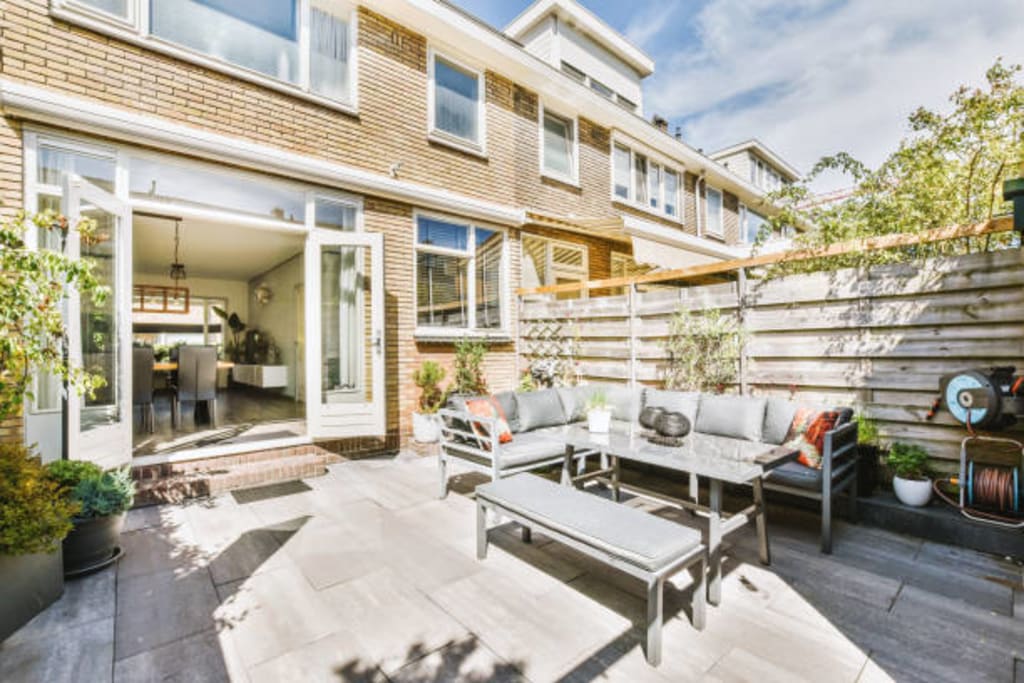
A well-designed patio can transform your outdoor area into a relaxing retreat, an entertainment hub, or a functional extension of your home. Whether you want a place to enjoy morning coffee, host family gatherings, or simply unwind after a long day, building the right patio requires careful planning and smart decision-making.
This guide will walk you through how to create the perfect patio for your outdoor living space while ensuring durability, comfort, and long-term value.
1. Define the Purpose of Your Patio
Before starting your patio project, it’s important to identify how you plan to use the space. The purpose of your patio will influence its design, size, and materials.
Ask yourself these questions:
Will the patio be used for entertaining guests?
Do you want a quiet relaxation area?
Will you include outdoor dining furniture?
Do you plan to add features like a fire pit or outdoor kitchen?
Understanding the purpose helps you design a patio that fits your lifestyle.
2. Choose the Right Location
The location of your patio plays a major role in comfort and usability. Ideally, it should be easily accessible from your home while offering privacy and protection from harsh weather.
Consider factors such as:
Sun exposure throughout the day
Shade availability
Proximity to the house
Drainage conditions
Wind direction
A well-chosen location enhances comfort and convenience.
3. Select Durable and Suitable Materials
Material selection is one of the most important aspects of building a patio. The materials you choose will affect the patio’s appearance, durability, and maintenance requirements.
Popular patio materials include:
Concrete
Brick
Natural stone
Pavers
Tile
Each material has its own benefits. For example, concrete is affordable and durable, while natural stone offers a more elegant appearance. Choose materials that match your budget and style preferences.
4. Plan the Size and Layout Carefully
Your patio should be large enough to accommodate furniture and movement comfortably. Avoid making it too small, as this can limit functionality, but also ensure it doesn’t overwhelm your outdoor space.
Consider including space for:
Seating areas
Dining tables
Walking paths
Decorative elements
A well-planned layout improves usability and comfort.
5. Ensure Proper Drainage
Proper drainage is essential to prevent water from accumulating on your patio. Poor drainage can lead to damage, safety hazards, and costly repairs.
Make sure the patio is slightly sloped away from your home to allow water to flow off easily. This helps protect both the patio and your home’s foundation.
6. Add Shade and Weather Protection
Adding shade makes your patio more comfortable, especially during hot weather. There are several options for providing shade and protection.
Common solutions include:
Pergolas
Awnings
Umbrellas
Covered patio roofs
These features improve comfort and allow you to use the patio in different weather conditions.
7. Choose Comfortable and Durable Furniture
Outdoor furniture plays a key role in making your patio functional and inviting. Choose furniture that is designed for outdoor use and can withstand weather conditions.
Look for furniture that offers:
Weather-resistant materials
Comfortable seating
Easy maintenance
Durable construction
Quality furniture enhances the overall experience.
8. Enhance the Patio with Lighting
Lighting improves both the safety and atmosphere of your patio. Proper lighting allows you to use the space during the evening while creating a warm and welcoming environment.
Popular lighting options include:
String lights
Wall-mounted lights
Solar lights
Pathway lighting
Good lighting adds beauty and functionality.
9. Include Decorative and Functional Features
Adding decorative elements can make your patio more enjoyable and visually appealing.
Consider including:
Plants and greenery
Outdoor rugs
Fire pits
Water features
Decorative stones
These additions create a personalized and inviting outdoor space.
10. Work with Skilled Professionals for Best Results
While some homeowners attempt to build patios themselves, professional assistance often ensures better results. Skilled professionals understand proper installation techniques, material handling, and structural requirements.
When researching contractors, many homeowners look for experienced professionals known for quality workmanship, similar to how people often search for the best patio installers when planning outdoor improvements. Choosing experienced professionals helps ensure durability, safety, and long-term satisfaction.
11. Consider Maintenance Requirements
Different materials require different levels of maintenance. Some patios need regular sealing, cleaning, or minor repairs to maintain their appearance and durability.
Choose materials and designs that match your willingness and ability to perform maintenance.
12. Plan for Future Upgrades
When designing your patio, think about future improvements you may want to add. Planning ahead makes it easier to upgrade the space later.
Future upgrades may include:
Outdoor kitchens
Fireplaces
Additional seating areas
Landscaping improvements
Planning ahead saves time and money in the future.
Conclusion
Creating the perfect patio requires thoughtful planning, careful material selection, and attention to detail. By defining your goals, choosing the right location, selecting durable materials, and ensuring proper installation, you can create a patio that enhances your home and lifestyle.
A well-built patio provides a comfortable outdoor space for relaxation, entertainment, and family time. With the right approach and professional guidance, your patio can become one of the most enjoyable and valuable features of your home for years to come.
About the Creator
Keep reading
More stories from Kashif Khan and writers in 01 and other communities.
How to Renovate Your Bathroom Without Overspending
Renovating a bathroom can significantly improve the comfort, functionality, and value of your home. However, many homeowners hesitate to start the process because they assume it will be expensive and complicated. The truth is that with proper planning, smart choices, and careful budgeting, you can achieve a beautiful and functional bathroom without exceeding your financial limits.
By Kashif Khanabout 3 hours ago in 01
Carmen Electra: From Playboy Icon to Pop Culture Legend
Carmen Electra, born Tara Leigh Patrick on April 20, 1972, in Sharonville, Ohio, is an enduring figure in pop culture, known for her dynamic career as a model, actress, singer, and media personality. From her early beginnings in Ohio to becoming a globally recognized icon, Electra’s path has been defined by charisma, talent, and a keen understanding of media appeal.
By Story Prismabout 8 hours ago in 01




Comments
There are no comments for this story
Be the first to respond and start the conversation.