
How to Respect the Feelings of Others: Nurturing Empathy and Building Strong Connections
Fostering Emotional Consideration for a Harmonious and Inclusive Society

Introduction:
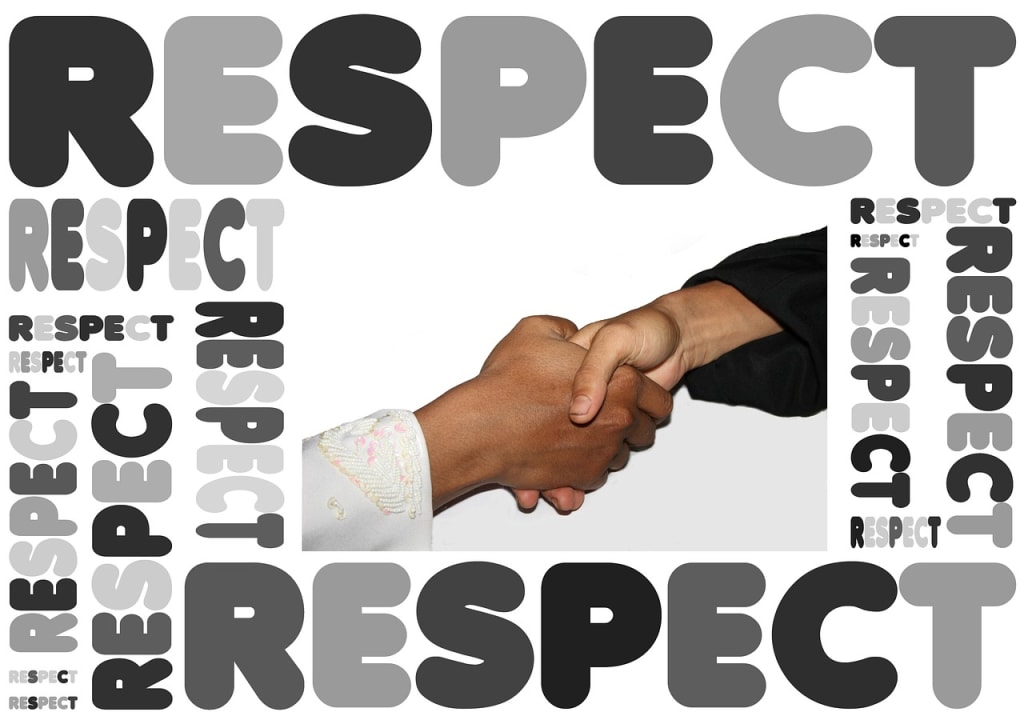
In our complex and diverse world, respecting the feelings of others is paramount to fostering harmonious relationships, promoting empathy, and creating an inclusive society. When we genuinely acknowledge and honor the emotions of those around us, we contribute to a culture of understanding, compassion, and mutual respect. In this article, we delve into the significance of respecting the feelings of others and provide practical strategies for cultivating empathy, enhancing communication, and nurturing emotional consideration in our interactions.
Understanding Empathy: The Foundation of Respectful Relationships
Empathy serves as the bedrock for respecting the feelings of others. It involves the ability to recognize and share the emotions experienced by those around us. By actively practicing empathy, we can foster deeper connections, strengthen interpersonal relationships, and foster a sense of belonging. Through active listening, perspective-taking, and demonstrating compassion, we develop a heightened understanding of others' emotions and experiences.
Valuing Individual Experiences: Embracing Diversity
Respecting the feelings of others necessitates acknowledging and appreciating the diverse experiences that shape their emotions and perspectives. It is crucial to recognize that each person has a unique journey, influenced by factors such as culture, background, and personal history. By validating emotions without judgment and creating a safe space for open expression, we create an inclusive environment where individuals feel heard, understood, and respected.
Effective Communication: The Power of Active Listening and Empathetic Dialogue
Effective communication plays a vital role in respecting the feelings of others. Active listening, a core component of communication, involves giving our undivided attention, observing nonverbal cues, and responding with empathy. By practicing active listening, we create an atmosphere of trust and understanding, fostering deeper connections and facilitating meaningful conversations. Empathetic dialogue allows for the free expression of emotions and perspectives, promoting mutual respect and emotional consideration.
Developing Emotional Intelligence: Enhancing Empathy and Self-Awareness
Emotional intelligence plays a key role in respecting the feelings of others. It encompasses self-awareness, self-regulation, empathy, and social skills. By cultivating emotional intelligence, we become more attuned to our own emotions and better equipped to understand and respond to the feelings of others. Through self-reflection, empathy exercises, and ongoing personal growth, we develop the capacity to navigate emotions with sensitivity and consideration.

Creating Space for Emotional Expression: Validation and Support
Respecting the feelings of others involves creating an environment where emotional expression is valued and encouraged. It is essential to provide validation, support, and a non-judgmental space for individuals to share their emotions authentically. By offering a listening ear, demonstrating empathy, and refraining from dismissing or minimizing others' feelings, we foster emotional well-being and strengthen our connections.
Cultural Sensitivity: Appreciating Diversity and Understanding Differences
Respecting the feelings of others also requires cultural sensitivity and awareness. Different cultures may have varying norms, beliefs, and values surrounding emotional expression. By embracing diversity and cultivating an understanding of different cultural perspectives, we can navigate potential misunderstandings, bridge gaps in communication, and honor the emotions of individuals from diverse backgrounds.
Conflict Resolution and Boundaries: Resolving Disagreements with Empathy
Respecting the feelings of others extends to conflict resolution and the establishment of healthy boundaries. When conflicts arise, it is crucial to approach them with empathy, active listening, and a willingness to find common ground. Respecting personal boundaries is equally important, as it ensures that emotional well-being is safeguarded and individual autonomy is respected.
Conclusion:
Respecting the feelings of others is a fundamental aspect of nurturing empathy, building strong connections, and fostering an inclusive society. By cultivating empathy, valuing individual experiences, practicing effective communication, developing emotional intelligence, creating space for emotional expression, embracing cultural sensitivity, and promoting conflict resolution with empathy, we can create a world where emotions are acknowledged, valued, and respected. Let us strive to treat one another with empathy and emotional consideration, fostering a culture of understanding, compassion, and authentic human connections.
About the Creator
KACHCHI MOHAMED MOHAMED NASEER
"Welcome to a captivating hub of knowledge and inspiration. Our mission is to provide you with thought-provoking and engaging articles that cover a wide range of topics.
Keep reading
More stories from KACHCHI MOHAMED MOHAMED NASEER and writers in 01 and other communities.
Laborers Suffer: Examining the Challenges Faced by Workers in Today's Society
In today's society, countless laborers endure various challenges, often unseen and underappreciated. From unfair wages and hazardous working conditions to lack of job security and limited access to benefits, the struggles faced by laborers are a stark reminder of the need for social change. In this article, we shed light on the plight of laborers, exploring the inequalities and hardships they endure. We also discuss the importance of advocacy and efforts to promote the rights and well-being of laborers, aiming for a fair and just society that values their contributions.
By KACHCHI MOHAMED MOHAMED NASEER3 years ago in 01
Why Custom Mobile Apps Are No Longer a Luxury — They’re a Survival Strategy
Most mobile apps don’t fail because the idea was weak. They fail because they were built for everyone. In the early days of a business, an off-the-shelf solution feels like the smart move. It’s fast. It’s affordable. It gets you into the market. But as traction builds and users grow, those convenient platforms start showing their limits. Integrations don’t quite work the way they should. Performance drops under scale. Security becomes a growing concern. And suddenly, the “quick solution” becomes the bottleneck.
By Ian Barnard4 days ago in 01
Top 10 AI-First SaaS Application Development Strategies in 2026
The SaaS industry in 2026 is no longer just cloud-based—it is AI-first. Modern software-as-a-service platforms are being built with artificial intelligence at their core, not as an add-on feature. Businesses now expect SaaS applications to automate workflows, predict outcomes, personalize experiences, and continuously learn from data.
By shane cornerusabout 7 hours ago in 01



Comments
There are no comments for this story
Be the first to respond and start the conversation.