
How to Use a Concrete Crusher Machine for Sustainable Recycling Practices
Use a Concrete Crusher Machine for Sustainable Recycling Practices

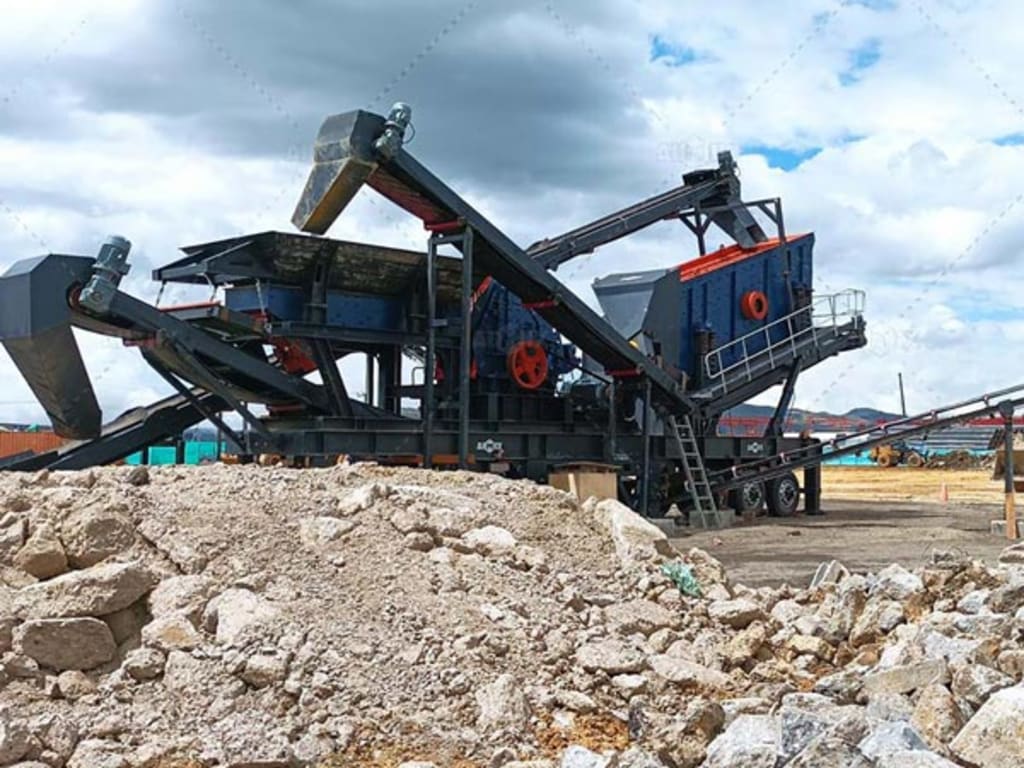
The construction industry stands at a pivotal crossroads, where the traditional model of "demolish and dispose" is no longer tenable. Concrete, the most consumed material on earth after water, generates a staggering volume of waste from renovation and demolition projects, creating a significant environmental burden. However, this waste stream presents a profound opportunity. By adopting concrete crushers for on-site or facility-based recycling, we can transform this liability into a valuable asset. This process is not merely about waste reduction; it is a fundamental shift towards a circular economy in construction, conserving natural resources, reducing landfill pressure, and creating a more resilient and cost-effective building paradigm.
The Imperative of Concrete Recycling: Beyond Landfill Diversion
The decision to recycle concrete is driven by a compelling confluence of environmental stewardship and economic pragmatism. Diverting concrete rubble from landfills immediately curtails disposal fees and mitigates the long-term ecological damage associated with leachate and land use. More significantly, recycling conserves virgin aggregates. The quarrying of these materials is an energy-intensive process that scars landscapes and depletes non-renewable natural resources. By creating a closed-loop system, we drastically reduce the carbon footprint of a project.
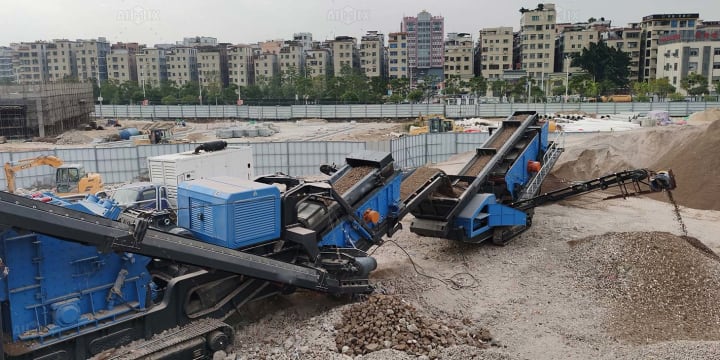
The concrete crusher is the linchpin of this endeavor. This powerful machine is engineered to reduce large, unwieldy chunks of demolition waste into consistent, usable aggregate. Without this technology, construction waste recycling at a meaningful scale would be impractical. The crusher enables the systematic processing of rubble, turning what was once considered refuse into a high-value material known as Recycled Concrete Aggregate (RCA). This transformation is the cornerstone of sustainable construction waste management.
Preparing for the Crushing Process: A Methodical Approach
Successful concrete recycling begins long before the crusher is powered on. A thorough and meticulous preparation phase is critical for both operational efficiency and the quality of the final product. The first step involves a comprehensive site assessment and material inspection. The concrete rubble must be carefully evaluated for contaminants. Rebar, wood, plastics, and other foreign materials can severely damage the crusher's internal mechanisms and compromise the purity of the aggregate. These contaminants must be removed through manual sorting or with the aid of magnets and screening equipment.
Following purification, the next crucial decision is selecting the appropriate crusher. Jaw crushers are typically employed for primary crushing, breaking down large slabs into manageable pieces. For secondary reduction and achieving a more specific, finer grade of aggregate, impact or cone crushers are often used. The choice between a mobile crusher, ideal for on-site processing, and a stationary stone crusher plant, suited for high-volume facility work, depends entirely on the project's scale, location, and logistical requirements. Proper setup on stable, level ground is non-negotiable for safe and effective operation.
The Operational Workflow: From Demolition to Aggregate
With preparation complete, the crushing process can commence. This workflow demands a disciplined and systematic approach. The pre-sorted concrete is fed into the crusher's hopper in a controlled manner. Overloading the machine, known as "bridging," can cause jams and significant downtime. A steady, consistent feed rate is paramount for optimal performance and aggregate consistency.
During operation, the crusher's powerful jaws or impellers pulverize the concrete, breaking it along its natural fault lines. Modern crushers are equipped with adjustable settings that allow operators to determine the final size of the aggregate. Sieves and screens can be integrated into the system to sort the output into different grades, from large base-course material to finer aggregates. This stage is where quality control is paramount. Regularly checking the output for consistency and contamination ensures the resulting RCA meets the necessary specifications for its intended reuse.
Integrating Recycled Aggregate into New Construction
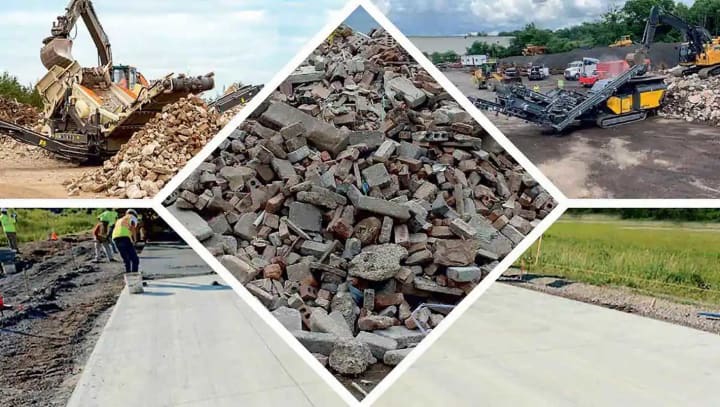
The final, and most rewarding, step is the reintegration of the recycled aggregate into new construction. RCA possesses well-documented technical properties that make it suitable for a wide range of applications. It is extensively used as a sub-base material for roads, parking lots, and building foundations. With proper processing and mix design, it can also be incorporated into new concrete mixes, effectively closing the material loop.
Adhering to best practices and local technical specifications is essential. The absorption rate and composition of RCA differ from virgin aggregate, which may require adjustments to the water-cement ratio in new concrete. Understanding these nuances is key to ensuring structural integrity. By successfully specifying and using RCA, project managers and engineers demonstrably reduce the embodied carbon of their projects. This practice moves sustainability from a theoretical goal to a tangible, measurable outcome, creating a legacy of responsible resource management that extends far beyond the completion of a single build.
About the Creator
consrtuctionmachines
AIMIX is a customer-center-oriented heavy equipment manufacturer and supplier, devoted to production, innovation, combination, one-stop solution, etc.
https://aimixgroup.com/
Keep reading
More stories from consrtuctionmachines and writers in 01 and other communities.
Multifunctional Mixers: Reducing Equipment Costs Without Sacrificing Performance
Construction projects often require different types of equipment. Buying separate machines for each task can be expensive. Multifunctional mixers help reduce those costs without lowering performance.
By consrtuctionmachines4 months ago in 01
Agentic AI Vulnerability Assessment: Future Threats (2026)
The era of passive chatbots is over, y'all. We're now in the thick of agentic AI territory. These autonomous systems book flights, manage code repositories, handle financial portfolios. They're not just answering questions anymore. They're making decisions and taking actions without waiting for someone to hit "approve."
By Samantha Blake4 days ago in 01



Comments