
Japan Dry Eye Syndrome Market: Size, Share, Trends And Forecast 2026-2034
How Aging Demographics, Digital Lifestyles, and Advances in Eye Care Are Shaping Japan Dry Eye Treatment Market

Market Overview
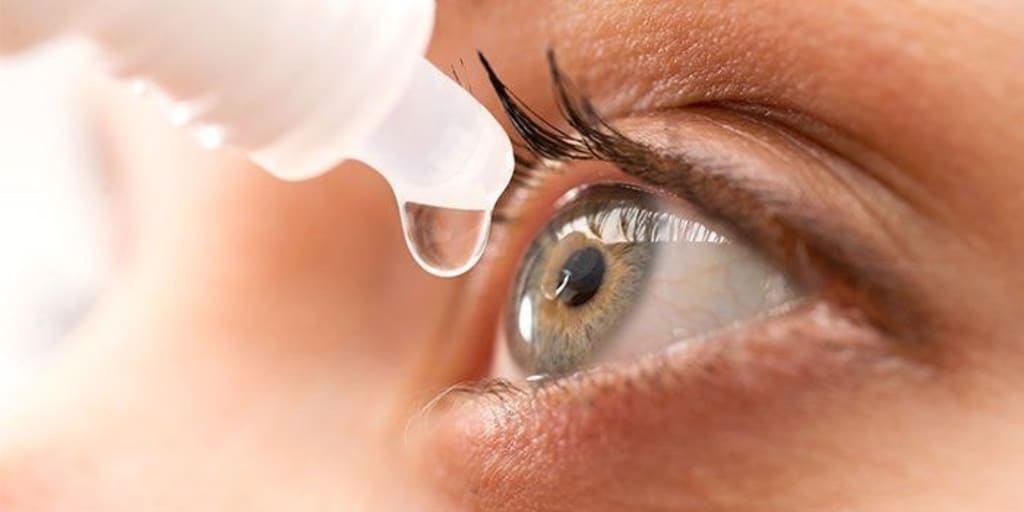
Dry eye syndrome is a common ocular condition that occurs when the eyes do not produce enough tears or when the quality of tears is insufficient to maintain proper lubrication. This condition can lead to discomfort, irritation, redness, blurred vision, and sensitivity to light. Dry eye syndrome is often associated with aging, prolonged screen exposure, environmental factors, and certain medical conditions.
In Japan, dry eye syndrome has become an increasingly recognized health concern due to changing lifestyles and demographic trends. The country’s aging population is more susceptible to eye-related conditions, including dry eye. At the same time, the widespread use of digital devices in workplaces, schools, and daily life has contributed to increased screen time, which can reduce blinking frequency and lead to eye dryness.
The Japan dry eye syndrome market was valued at USD 150.1 million in 2025 and is projected to reach approximately USD 202.1 million by 2034, reflecting a compound annual growth rate of 3.4% during 2026–2034. Growth is supported by rising awareness of eye health, increasing availability of treatment options, and the expanding use of digital devices.
Request Your Free Sample to Support FY Planning
Role of Innovation in Market Development
- Advanced Artificial Tear Formulations
Manufacturers are developing improved artificial tear solutions that provide longer-lasting hydration and enhanced comfort. Modern formulations often include ingredients designed to mimic natural tear composition, improving lubrication and reducing irritation.
- Prescription Treatments and Medical Devices
In addition to over-the-counter products, prescription medications and specialized medical devices are being introduced to address moderate to severe cases of dry eye. These treatments focus on reducing inflammation, stimulating tear production, and improving overall eye health.
- Digital Eye Care Solutions
Digital tools and wearable technologies are emerging as supportive solutions for eye health management. Applications that remind users to take screen breaks and devices designed to monitor eye conditions are helping individuals manage symptoms more effectively.
Japan Dry Eye Syndrome Industry Trends and Drivers
- Aging Population
Japan has one of the oldest populations in the world, and age-related health conditions are becoming more common. Dry eye syndrome is frequently observed among older adults due to natural changes in tear production and eye function. This demographic trend is a major factor supporting market growth.
- Increased Screen Time and Digital Lifestyles
The widespread use of computers, smartphones, and tablets has significantly increased screen exposure. Prolonged digital device usage can lead to reduced blinking and increased eye strain, contributing to dry eye symptoms. This shift in lifestyle is driving demand for eye care products and treatments.
- Growing Awareness of Eye Health
Public awareness campaigns and educational initiatives have increased understanding of dry eye symptoms and treatment options. As more individuals recognize the importance of eye care, demand for preventive and therapeutic solutions continues to rise.
Japan Dry Eye Syndrome Market Segmentation
By Product Type
• Artificial tears
• Anti-inflammatory drugs
• Lubricating ointments
• Others
By Type
• Evaporative dry eye
• Aqueous-deficient dry eye
By Distribution Channel
• Hospital pharmacies
• Retail pharmacies
• Online pharmacies
By Region
• Kanto Region
• Kansai / Kinki Region
• Chubu Region
• Kyushu–Okinawa Region
• Tohoku Region
• Chugoku Region
• Hokkaido Region
• Shikoku Region
This segmentation highlights the different product types, treatment categories, distribution channels, and regional markets influencing the dry eye syndrome market across Japan.
Competitive Landscape
The Japan dry eye syndrome market includes pharmaceutical companies, medical device manufacturers, and healthcare providers specializing in eye care. Competition is influenced by product effectiveness, safety profiles, ease of use, and brand reputation.
Companies that focus on advanced formulations, clinical research, and patient-friendly products are strengthening their positions in the market. Partnerships with healthcare professionals and distribution networks also play an important role in expanding market reach.
Market Outlook
The Japan dry eye syndrome market is expected to grow steadily as demographic and lifestyle factors continue to influence eye health. Increasing screen exposure, aging populations, and greater awareness of preventive care will support ongoing demand for treatment solutions.
As innovation continues in artificial tear formulations, prescription therapies, and digital eye care tools, the market is likely to expand further. Dry eye treatment products are expected to remain an important part of Japan’s healthcare and wellness landscape.
About the Creator
Yoshio
Market Research Analyst with 5+ years of experience in consumer insights and market segmentation. Skilled in data analysis and qualitative research.
Organizational Alignment: How Unified Teams Accelerate Business Performance
In successful organizations, progress happens when everyone moves in the same direction. Organizational alignment ensures that leadership, teams, and individual contributors understand shared goals and work collaboratively to achieve them. When alignment is strong, businesses operate with clarity and efficiency. When it is weak, confusion, duplication of effort, and missed opportunities often follow. In today’s fast-paced business environment, alignment is a powerful driver of performance and long-term growth.
By Stuart Ferster6 days ago in 01




Comments
There are no comments for this story
Be the first to respond and start the conversation.