
Japan Lithium-Ion Battery Market: Size, Share and Growth Forecast
How Carbon Emission Reduction, EV Adoption, and Renewable Energy Integration Drive Japan's Battery Sector

Market Overview
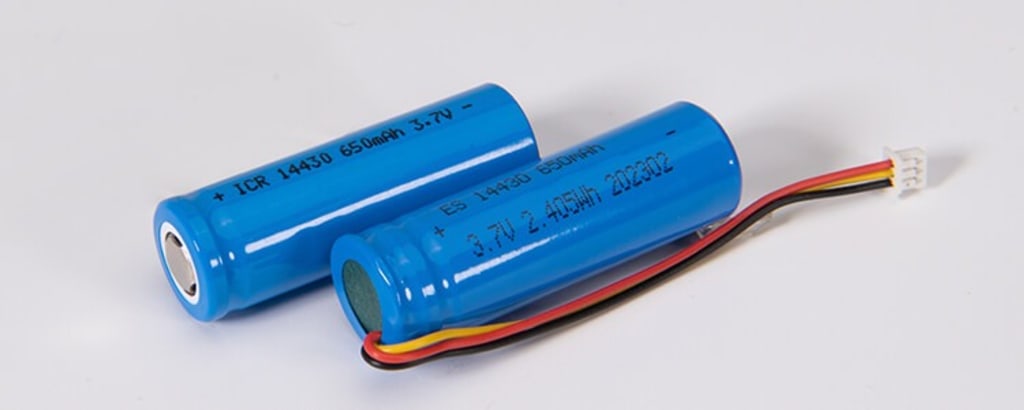
Lithium-ion (Li-ion) batteries represent rechargeable power storage systems relying on lithium ion movement between positive and negative electrodes to generate electric current. These batteries are characterized by high energy density, extended lifespan, minimal self-discharge rates, and lightweight design enabling significant energy storage relative to their size and weight. Li-ion batteries operate through lithium ion movement from the negative electrode (anode) to the positive electrode (cathode) during discharge, reversing direction during charging, with ion flow between electrodes generating electric current. Typical properties include voltage range of 3.6 to 3.7 volts per cell, charging temperature range of 0 to 45 degrees Celsius, and discharging temperature range of -20 to 60 degrees Celsius. Key advantages include versatility in diverse shapes and sizes, high energy efficiency of 80-90%, minimal environmental impact compared to alternative battery types, and low maintenance requirements. In Japan's context, lithium-ion batteries represent critical infrastructure supporting electric vehicle transition, renewable energy integration, consumer electronics proliferation, and grid energy storage capabilities.
The Japan lithium-ion battery market size reached USD 2.1 Billion in 2025, reflecting robust demand driven by carbon emission reduction commitments, expanding electric vehicle adoption, and renewable energy system deployment. Looking ahead, the market is projected to reach USD 8.4 Billion by 2034, exhibiting exceptional growth rate (CAGR) of 16.19% during 2026-2034. This substantial expansion is supported by augmenting demand for energy-efficient solutions due to carbon emissions reduction commitment, expanding EV and renewable energy system usage requiring these batteries, considerable integration of lithium-ion batteries into broader energy ecosystems, increasing portable electronic device demand from technologically savvy populations, substantial R&D investments enhancing battery performance and disaster resilience, presence of leading battery manufacturers and well-established supply chains, government initiatives promoting clean energy solutions, strategic industry collaborations improving recycling and environmental practices, and growing demand for smart-grid and energy storage solutions.
Request PDF Sample for more detailed market insights:
Role of Innovation in Market Development
• Next-Generation Battery Chemistry and Higher Energy Density
Innovation is revolutionizing lithium-ion batteries through advanced chemistry formulations and energy density improvements. Solid-state battery technology replaces liquid electrolytes with solid materials enabling higher energy density and improved safety. Silicon anode materials increase energy storage capacity compared to graphite alternatives. Lithium metal anodes enable ultra-high energy density supporting long-range electric vehicles. Sulfur cathode chemistry offers theoretical energy density ten times greater than conventional lithium-ion. Sodium-ion battery development provides cost-effective alternatives using abundant materials. Lithium-sulfur battery technology addresses specific energy limitations. Advanced electrolytes improve ionic conductivity and thermal stability. Manufacturing process innovations reduce production costs while improving quality. Continuous chemistry advancement ensures sustained performance improvements. Innovation maintains technological leadership supporting market expansion.
• Fast-Charging Technology and Rapid Power Delivery
Fast-charging technology represents transformative innovation enhancing battery utility and user convenience. Silicon carbide semiconductors enable higher voltage and current levels. Thermal management systems prevent battery degradation during rapid charging. Graphene additives improve ionic conductivity enabling faster ion movement. Multi-electrode designs distribute current reducing charging stress. Smart charging algorithms optimize charging rates based on battery conditions. Temperature monitoring prevents thermal runaway during fast charging. Mechanical designs accommodate thermal expansion from rapid charging. Ultra-fast charging achieving 80% capacity in 15 minutes revolutionizes user experience. Charging speed innovation addresses range anxiety supporting EV adoption. Rapid charging capability provides fundamental market advantage.
• Battery Management Systems and Smart Integration
Advanced battery management systems (BMS) represent critical innovation enabling intelligent battery operation. Real-time monitoring tracks battery health, state of charge, and thermal conditions. Predictive algorithms forecast battery degradation and remaining useful life. Cell balancing optimizes individual cell performance preventing imbalanced discharge. Thermal regulation maintains optimal operating temperature extending lifespan. Communication interfaces enable vehicle and grid integration. Safety systems prevent overcharging, over-discharging, and thermal runaway. Wireless monitoring eliminates physical connections improving reliability. Cloud connectivity enables remote battery diagnostics and updates. Smart BMS technology transforms batteries from passive devices to active system participants. Intelligent integration supports next-generation applications and market expansion.
Japan Lithium-Ion Battery Industry Trends and Drivers
• Carbon Emission Reduction Commitments and Climate Goals
Carbon neutrality targets represent the primary market growth driver. Japan's commitment to carbon neutrality by 2050 necessitates substantial clean energy deployment. Renewable energy systems require battery energy storage for intermittent generation management. Transportation electrification reduces fossil fuel consumption and emissions. Industrial decarbonization requires renewable power integration. Government policies mandate emissions reductions across sectors. Corporate sustainability commitments drive clean technology adoption. Consumer environmental consciousness increases sustainable product demand. International climate agreements create policy frameworks supporting clean energy. Carbon reduction imperative ensures sustained battery demand across applications. Climate commitment provides fundamental market growth foundation.
• Electric Vehicle Adoption Acceleration and Market Expansion
Electric vehicle adoption represents a significant market growth driver. EV sales growth increases battery demand proportionally. Vehicle range improvements require higher energy density batteries. Fast-charging infrastructure deployment drives rapid-charging battery development. Battery cost reduction through scale economies improves EV affordability. Charging network expansion reduces range anxiety supporting adoption. Government incentives accelerate EV market penetration. Autonomous vehicle development requires reliable battery systems. Commercial fleet electrification creates high-volume demand. EV adoption momentum ensures sustained battery market growth. Vehicle electrification provides substantial market expansion catalyst.
• Renewable Energy Integration and Grid Storage Deployment
Renewable energy expansion drives substantial battery energy storage demand. Solar and wind intermittency requires grid-scale energy storage. Peak demand management through battery storage optimizes grid operations. Microgrid development incorporates distributed battery storage. Frequency regulation services create revenue opportunities. Virtual power plant aggregation combines distributed storage into grid resources. Blackout prevention through backup power systems increases resilience. Energy independence through local storage reduces grid dependency. Renewable storage applications expand battery utilization beyond vehicles. Grid storage opportunities provide sustained market growth. Energy transition support ensures fundamental market backing.
Key Growth Drivers of Japan Lithium-Ion Battery Market
• Portable Electronics Demand and Consumer Device Proliferation
Portable electronics represent a significant battery market segment. Smartphones continue requiring improved battery performance and capacity. Laptops and tablets demand lightweight, high-capacity batteries. Wearable devices require miniaturized, high-performance batteries. Gaming devices and portable speakers expand consumer demand. E-readers and digital devices increase utility-driven demand. Wireless earbuds and portable chargers create accessory demand. IoT device proliferation expands connectivity-dependent applications. Consumer electronics upgrade cycles drive replacement demand. Consumer device market growth provides sustained demand baseline. Electronics market breadth ensures diversified customer base.
• Research and Development Investment and Performance Enhancement
Substantial R&D investments drive battery technology advancement. University research programs develop next-generation chemistries. Corporate R&D departments optimize manufacturing processes. Government-funded research supports fundamental breakthroughs. Collaboration between academic and industry institutions accelerates innovation. Patent portfolios protect innovations ensuring competitive advantages. Battery performance improvement enables new applications. Cost reduction through manufacturing innovation improves competitiveness. Safety enhancement technologies address quality concerns. R&D momentum ensures sustained technological leadership. Innovation investment provides competitive differentiation.
• Government Support and Regulatory Framework Development
Government initiatives significantly support battery market expansion. Research funding supports fundamental battery technology development. Manufacturing subsidies reduce production costs. EV purchase incentives drive adoption. Renewable energy mandates require grid storage. Battery recycling regulations create circular economy models. Environmental standards promote sustainable practices. Infrastructure investment supports manufacturing facility development. Trade policies support international expansion. International partnerships facilitate technology transfer. Government backing provides market confidence and investment security.
Opportunities of Japan Lithium-Ion Battery Market
• Battery Recycling and Circular Economy Development
Substantial opportunities exist in battery recycling and material recovery. End-of-life battery collection creates recycling feedstock. Lithium, cobalt, and nickel recovery from used batteries reduces mining pressure. Recycling reduces raw material costs improving economics. Circular economy models enable sustainable growth. Battery second-life applications extend product utility. Remanufactured batteries serve secondary markets. Recycling technology innovation improves recovery rates. Environmental benefits support premium positioning. Regulatory requirements mandate recycling infrastructure. Circular economy transition creates substantial market opportunities.
• Large-Scale Energy Storage and Grid Applications
Significant opportunities exist in grid-scale energy storage systems. Utility-scale battery installations store renewable generation. Frequency regulation services provide revenue streams. Peak demand reduction improves grid efficiency. Blackout prevention through backup systems increases resilience. Microgrid development incorporates centralized storage. Virtual power plant aggregation enables distributed resource coordination. Demand response participation creates flexible load management. Energy arbitrage opportunities enable profitable operation. Grid modernization investments support deployment. Large-scale applications provide substantial revenue opportunities.
• Emerging Applications and Next-Generation Technologies
Emerging opportunities exist in novel battery applications and technologies. Aircraft electrification requires high-power density batteries. Maritime shipping electrification creates specialized requirements. Energy intensive industrial processes require reliable power. Medical device implants require biocompatible batteries. Aerospace applications demand extreme performance batteries. Space exploration missions require radiation-tolerant systems. Hydrogen production through electrolysis requires efficient systems. Thermal energy storage applications expand utility. Emerging applications diversify market beyond traditional segments. Technology advancement creates continuous opportunity expansion.
Japan Lithium-Ion Battery Market Segmentation
By Product Type
• Lithium Cobalt Oxide
• Lithium Iron Phosphate
• Lithium Nickel Manganese Cobalt
• Lithium Manganese Oxide
• Others
By Power Capacity
• 0 to 3000mAH
• 3000mAH to 10000mAH
• 10000mAH to 60000mAH
• More than 60000mAH
By Application
• Consumer Electronics
• Electric Vehicles
• Energy Storage
• Others
By Region
• Kanto Region
• Kinki Region
• Central/Chubu Region
• Kyushu-Okinawa Region
• Tohoku Region
• Chugoku Region
• Hokkaido Region
• Shikoku Region
This comprehensive segmentation reflects the diverse structure of Japan's lithium-ion battery market, encompassing multiple chemistry types serving different performance requirements, diverse capacity ranges from personal devices to grid storage, broad application coverage across consumer, automotive, and energy sectors, and geographic distribution across all major Japanese regions. Each segment demonstrates distinct growth trajectories influenced by application requirements, technological advancement, and regional development patterns.
Competitive Landscape
The Japan lithium-ion battery market includes global manufacturers including LG Energy Solution and Samsung SDI, established Japanese manufacturers including Panasonic and Sony, emerging Chinese competitors, and specialized technology providers. Competitive positioning is influenced by energy density, cost efficiency, manufacturing scale, supply chain strength, and innovation capability. Global manufacturers leverage international scale and technology. Japanese companies emphasize quality and reliability. Chinese competitors compete aggressively on cost. Technology providers offer specialized solutions. Successful competitors balance performance, cost, and sustainability. Strategic partnerships enable market expansion and technology access.
Market Outlook
The Japan lithium-ion battery market is expected to witness strong and sustained growth as EV adoption accelerates, renewable energy integration expands, and battery technology advances. Next-generation chemistries will enable higher energy density and improved safety. Fast-charging technology will address user convenience concerns. Grid-scale storage will support renewable energy deployment. Recycling infrastructure will establish circular economy models. Cost reduction through manufacturing innovation will improve competitiveness. Emerging applications will diversify market beyond transportation. Government support will sustain investment confidence. Supply chain localization will ensure production resilience. Environmental benefits will support premium positioning. As Japan pursues carbon neutrality and technological leadership, lithium-ion batteries will remain essential infrastructure supporting energy transition and transportation electrification. Market expansion from USD 2.1 Billion in 2025 to USD 8.4 Billion by 2034 reflects exceptional growth potential driven by convergence of climate imperatives, technological advancement, and market expansion. Lithium-ion batteries will continue serving as fundamental technology enabling Japan's transition toward sustainable energy systems and transportation electrification.
About IMARC Group
IMARC Group is a leading market research and consulting firm providing strategy development, industry analysis, feasibility studies, and data-driven insights across global markets. The firm supports businesses, investors, and governments in making informed decisions through reliable and actionable research.
About the Creator
Yoshio
Market Research Analyst with 5+ years of experience in consumer insights and market segmentation. Skilled in data analysis and qualitative research.
2026 Project Decision Framework by Indi IT Solutions
We are now moving through the year 2026. The criteria for a successful software project have shifted significantly. It is no longer just about "speed to market." The goal is now "sustainable architectural integrity." Technical leaders must do more than just choose a language. They must balance many modern requirements. These include agentic AI and decentralized data protocols. They also include high-performance cross-platform requirements.
By Del Rosario5 days ago in 01



Comments
There are no comments for this story
Be the first to respond and start the conversation.