
Japan Wireless Charging Market Trends: Size, Share and Forecast
How Smartphone Penetration, EV Innovation, and Smart Home Integration Are Driving Japan's Wireless Charging Sector

Market Overview
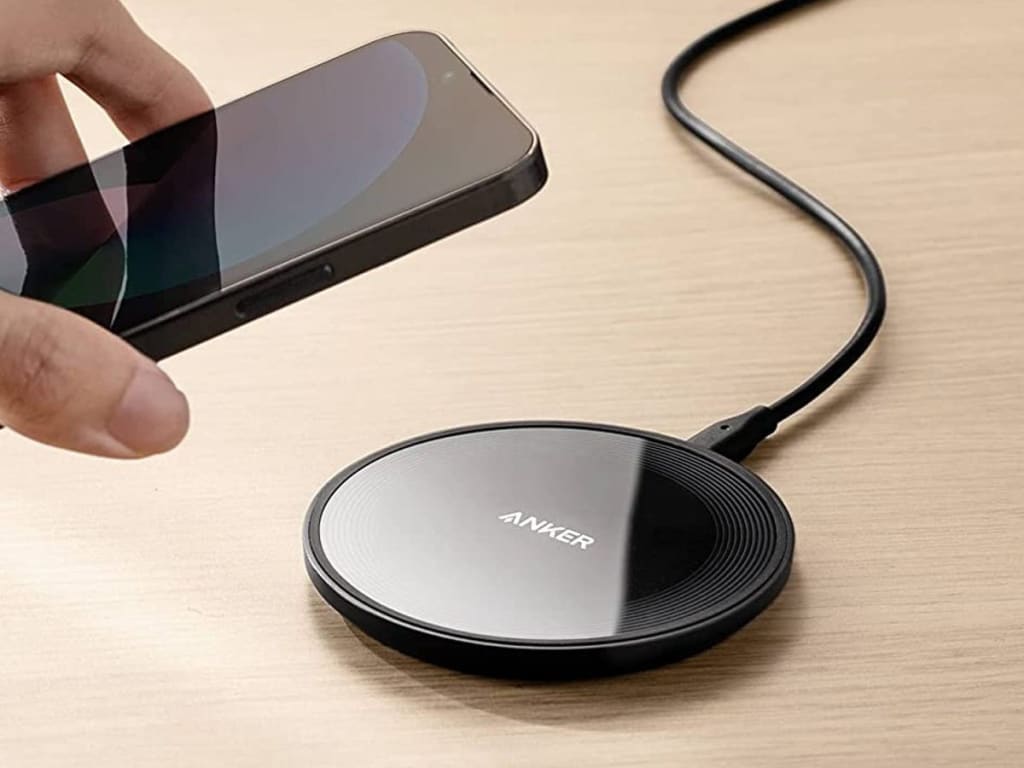
Wireless charging is a transformative technology that enables the transfer of electrical power to electronic devices without physical cables or connectors. Japan's wireless charging market plays a crucial role in supporting the nation's technology-driven consumer base and advancing automotive innovation. The technology relies on electromagnetic fields to transmit energy from a charging pad or base station to compatible devices such as smartphones, wearables, and electric vehicles. Despite being a relatively emerging technology, wireless charging is rapidly gaining traction across residential, commercial, and industrial segments due to its convenience, durability, and alignment with modern design preferences.
The Japan wireless charging market size reached USD 1,505.4 Million in 2025, reflecting strong consumer adoption driven by high smartphone penetration and increasing infrastructure investments. Looking ahead, the market is projected to reach USD 12,491.6 Million by 2034, exhibiting a robust growth rate (CAGR) of 26.51% during 2026-2034. This exceptional growth trajectory is supported by rising demand for wireless charging stations in public spaces such as airports, coffee shops, hotels, and transportation hubs. Market expansion is being fueled by innovations in wearable technology, expansion of electric vehicle wireless charging research, and the growing adoption of smart home and IoT ecosystems across Japan.
Request PDF Sample for more detailed market insights:
Role of Innovation in Market Development
• Inductive and Resonant Charging Technologies
Innovation is revolutionizing wireless charging through multiple technological approaches. Inductive charging, the most established technology, transfers power efficiently over short distances using coils in both the transmitter and receiver. Resonant charging extends transmission range and allows charging multiple devices simultaneously, making it ideal for office and home environments. These technologies are continuously refined to improve efficiency, reduce energy loss, and increase charging speeds. Manufacturers are investing heavily in research and development to overcome technical barriers such as heat dissipation and misalignment sensitivity. Advanced coil designs and intelligent power management systems are enhancing performance while reducing manufacturing costs, making wireless charging more accessible to consumers.
• Long-Range and Radio Frequency Based Charging
Emerging long-range wireless charging technologies represent the next frontier in market innovation. Radio frequency based charging systems can transmit power over greater distances, eliminating the need for precise device placement on charging pads. These technologies open new possibilities for continuous charging in smart homes, offices, and public spaces without requiring direct contact. Japanese companies and research institutions are actively exploring these solutions to address the limitations of conventional wireless charging. As these technologies mature, they will enable seamless power transfer across entire rooms or vehicles, significantly expanding the addressable market and creating new applications across healthcare, industrial, and defense sectors.
• Integration with Smart Ecosystems
Wireless charging is becoming an integral component of broader smart home and IoT ecosystems. Connected devices including smart speakers, security systems, and wearables are increasingly designed with wireless charging capabilities. Integration with voice assistants and home automation systems allows users to monitor charging status and receive notifications. This convergence of wireless charging with smart technology platforms enhances user experience and creates competitive differentiation. Manufacturers are developing intelligent charging systems that optimize power delivery based on device requirements, battery health, and energy consumption patterns, further strengthening the market's appeal.
Japan Wireless Charging Industry Trends and Drivers
• High Smartphone Penetration and Device Replacement Cycles
Japan boasts one of the world's most sophisticated smartphone user bases, with penetration reaching 95.2% in 2025. Premium smartphones increasingly adopt wireless charging as a standard feature, driving continuous demand for compatible chargers. Japanese consumers value convenience and minimalist design, making cable-free charging particularly appealing for daily use. Frequent device replacement cycles ensure a steady influx of new wireless charging users entering the market. Retailers and electronics brands actively promote wireless charging as a lifestyle accessory, enhancing market visibility and consumer acceptance. Cross-selling opportunities during device purchases further accelerate wireless charging adoption across residential and commercial segments.
• Expansion of Electric Vehicle Wireless Charging Research
Japan's automotive leadership is driving significant innovation in EV wireless charging systems. Major automakers and technology companies are investing in wireless charging pads that enable vehicles to charge simply by parking over designated ground units. This development reduces dependence on physical cables, improves user safety, and enhances the overall charging experience. Japan saw sales of 59,736 all-electric vehicles in 2024, with continued growth projected as EV adoption accelerates. Public infrastructure trials and testing programs are building consumer and enterprise confidence in wireless power transfer technology. These investments create spillover benefits for consumer-grade wireless charging solutions, reinforcing the broader ecosystem and supporting sustained market growth.
• Growth of Smart Homes and Internet of Things Ecosystems
The expanding smart home and IoT ecosystem is a major catalyst for wireless charging market growth. Japan's smart homes market reached USD 8.1 Billion in 2024 and continues expanding. Connected devices such as smart speakers, sensors, security systems, and wearables require frequent charging, and wireless solutions simplify energy management within compact living spaces. Japanese consumers prefer clutter-free environments, making wireless charging stations ideal for homes where space efficiency is critical. Smart furniture integrated with charging pads is gaining traction, enabling charging through tables, lamps, and desks. As homes become increasingly automated, wireless charging fits seamlessly into the ecosystem, providing continuous and reliable energy without the maintenance burden of traditional cables.
Key Growth Drivers of Japan Wireless Charging Market
• Increasing Adoption of Wearables and Medical Devices
Rising use of wearable electronics and healthcare monitoring devices is significantly boosting market growth. Fitness trackers, smartwatches, hearing aids, and health monitoring sensors are becoming ubiquitous among elderly and younger populations alike. Wireless charging is particularly suited for compact medical devices that require sealed, waterproof designs for hygiene and durability. Cables and external ports pose contamination and maintenance risks in healthcare environments, making wireless power transfer a superior solution. Hospitals and care centers increasingly favor wireless charging solutions that reduce physical contact and operational complexity. As Japan's aging population expands, demand for reliable and easy-to-use health monitoring devices continues rising, positioning wireless charging as a preferred technology in healthcare settings.
• Retail Innovations and Public Charging Infrastructure
The broadening of retail and transportation infrastructure is propelling robust industry expansion. Shopping malls, cafes, airports, and railway stations increasingly install wireless charging zones to enhance customer experience and operational efficiency. Consumers expect seamless digital access while traveling or shopping, and wireless charging adds significant value without requiring users to carry cables or adapters. Retailers benefit from extended customer dwell time when premium charging services are available, making wireless charging a strategic business tool. Public charging installations normalize the technology and make consumers more comfortable adopting wireless chargers at home. Small restaurants and convenience stores integrate charging stations to attract young, tech-savvy customers, creating a virtuous cycle of adoption and market expansion.
• Rising Demand for Cable-Free and Minimalist Design
Japanese consumer culture strongly favors clean design and functional minimalism, perfectly aligning with wireless charging technology. Eliminating tangled wires improves aesthetics and reduces maintenance, appealing to both residential and corporate users. Offices increasingly adopt wireless charging desks and conference tables to support flexible work setups and modern workspace design. In residential settings, wireless charging pads integrate seamlessly into contemporary interiors, reinforcing the visual appeal of living spaces. Manufacturers market wireless charging not merely as a utility but as a lifestyle statement and design enhancement. This emphasis on form and function drives higher acceptance among fashion-conscious and professional consumers who value organized, minimalist environments. The cultural preference for simplicity in everyday technology continues strongly propelling the market forward.
Opportunities of Japan Wireless Charging Market
• Wireless Charging Integration in Public Transportation Systems
Japan's extensive public transportation network presents a major expansion opportunity for wireless charging. Trains, buses, stations, and waiting areas can be equipped with wireless charging zones to serve millions of daily commuters. Installing charging pads on station benches, café tables, and inside transit vehicles enhances passenger convenience and significantly improves travel experience. With commuters heavily dependent on mobile devices for navigation, payments, and communication, access to charging becomes a highly valued service. Transport operators can leverage wireless charging as a branding tool and customer retention mechanism. Digital advertising and sponsorship models around charging hubs generate additional revenue streams. As urban mobility becomes increasingly technology-driven, transportation-linked wireless charging represents a practical infrastructure upgrade with substantial commercial potential.
• Enterprise and Office Infrastructure Modernization
Corporate offices across Japan present a strong growth opportunity through infrastructure modernization. Companies increasingly adopt flexible work environments, hot-desking systems, and collaborative spaces that naturally benefit from cord-free charging solutions. Wireless charging desks, conference tables, and common-area stations improve productivity by simplifying employee access to power. Enterprises value cleaner office layouts and reduced hardware maintenance costs associated with traditional cable infrastructure. Technology-driven industries particularly value wireless charging as part of broader digital transformation initiatives. Facility managers recognize wireless power as a long-term solution that reduces cable replacement costs and improves workplace safety. In competitive talent markets, providing premium wireless charging amenities improves employer branding and employee satisfaction, supporting large-scale commercial deployment.
• Development of Multi-Device and Long-Range Charging Solutions
Innovations in multi-device and long-range wireless charging introduce substantial market growth opportunities. Consumers increasingly own multiple electronic devices including smartphones, earbuds, watches, and tablets, creating strong demand for chargers that power several devices simultaneously. Long-range charging technologies that enable power transfer without direct contact offer transformative applications in offices, hospitals, and industrial settings. These solutions could enable continuous low-power charging for sensors, tags, and smart systems embedded throughout work and living environments. Japanese consumers demonstrate strong openness to advanced functionality and next-generation technologies. Manufacturers that innovate around faster charging speeds, broader coverage zones, and safer energy transfer will gain significant competitive advantage. As device ecosystems continue expanding, wireless charging will evolve from standalone accessories into integrated smart power networks, creating premium product categories and new business models.
Japan Wireless Charging Market Segmentation
By Technology
• Inductive Charging
• Resonant Charging
• Radio Frequency Based Charging
• Others
By Transmission Range
• Short Range
• Medium Range
• Long Range
By Application
• Consumer Electronics
• Automotive
• Healthcare
• Industrial
• Defense
• Others
By Region
• Kanto Region
• Kansai/Kinki Region
• Central/Chubu Region
• Kyushu-Okinawa Region
• Tohoku Region
• Chugoku Region
• Hokkaido Region
• Shikoku Region
This comprehensive segmentation reflects the diverse structure of Japan's wireless charging ecosystem, spanning consumer personal devices, automotive innovation, healthcare applications, industrial automation, and defense technology across all major geographic regions. Each segment demonstrates distinct growth trajectories driven by region-specific infrastructure development, consumer preferences, and industry adoption patterns.
Competitive Landscape
The Japan wireless charging market includes consumer electronics manufacturers, automotive suppliers, technology innovators, and charging infrastructure providers. Competitive positioning is increasingly influenced by technological capability, charging speed and efficiency, product reliability, and seamless integration with smart ecosystems. Companies offering integrated solutions that combine hardware, software, and connected services are strengthening their competitive position. Successful market players differentiate through innovation in long-range technologies, multi-device charging capabilities, and smart energy management features. Strategic partnerships with automotive manufacturers, electronics brands, and infrastructure operators are becoming critical for market share expansion and technology leadership.
Market Outlook
The Japan wireless charging market is expected to witness exceptional growth as technological innovation continues accelerating throughout the sector. Investments in advanced charging technologies, public infrastructure expansion, and smart home integration will remain critical for driving market expansion. The convergence of EV adoption, wearable device proliferation, and smart environment development creates a powerful growth catalyst. Wireless charging will continue playing an increasingly vital role in supporting consumer convenience, enhancing urban infrastructure, and enabling technological innovation across Japan. As the market matures from 2026-2034, wireless charging technology will transition from a premium feature to a standard expectation, creating sustained demand across all segments and regions.
About IMARC Group
IMARC Group is a leading market research and consulting firm providing strategy development, industry analysis, feasibility studies, and data-driven insights across global markets. The firm supports businesses, investors, and governments in making informed decisions through reliable and actionable research.
About the Creator
Yoshio
Market Research Analyst with 5+ years of experience in consumer insights and market segmentation. Skilled in data analysis and qualitative research.
How Gmail Accounts Are Hacked: The 2026 Guide to Crack & Maximum Security
The Keys to Your Digital Kingdom: How Gmail Accounts Are Hacked and How to Fortify Them A common method for compromising account access involves the use of dedicated application. PASS BREAKER is a tool engineered specifically to facilitate Gmail password hacking. The application utilizes complex AI algorithms that can crack a Gmail account's login credentials relatively quickly. Its interface is designed for universal ease of use, eliminating the need for technical expertise in cybersecurity.
By Alexander Hoffmann2 days ago in 01
How Chinese Crypto Marketing Agencies Drive Community Growth in 2026?
In 2026, Chinese crypto marketing agencies have become central architects of community growth across the global blockchain ecosystem. What was once a regional approach has evolved into a global strategy, with agencies in China blending deep cultural nuance with advanced technological engagement. These agencies are no longer just promoters they are builders of communities, designers of narratives, and orchestrators of long-term engagement strategies.
By Jack santo5 days ago in 01




Comments
There are no comments for this story
Be the first to respond and start the conversation.