
Lifecycle Management Strategies for Stationary Concrete Batching Plants
Essential Strategies for Extending Lifespan, Boosting Efficiency, and Integrating Mobile Concrete Mixer Plants in Stationary Batching Operations

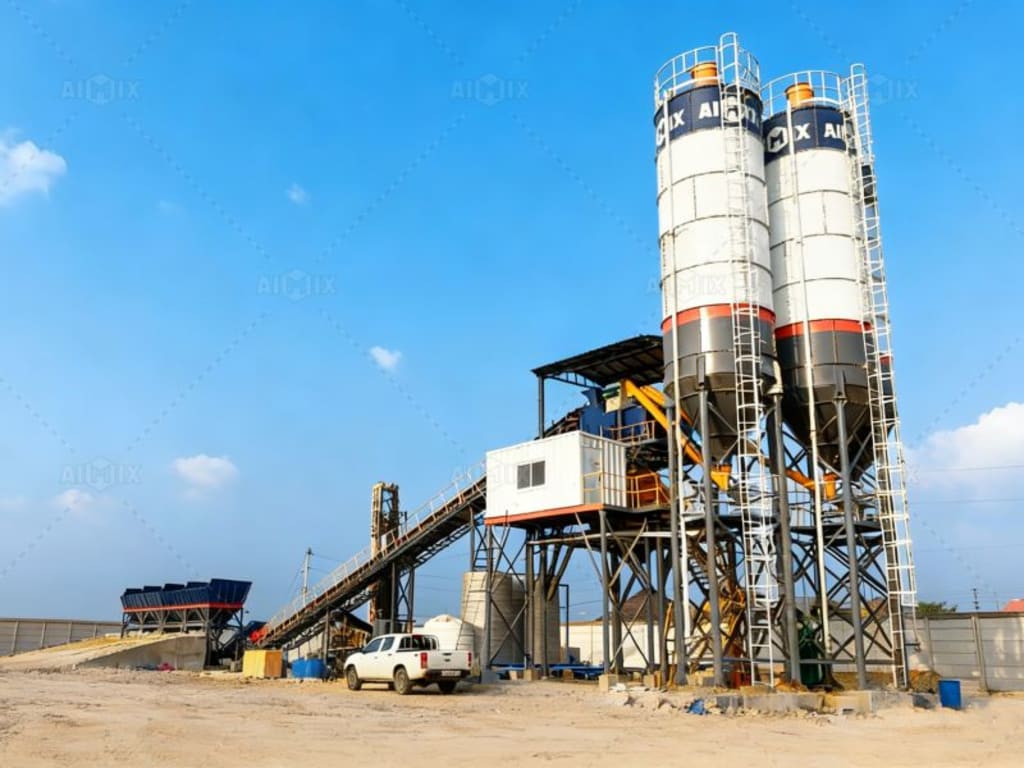
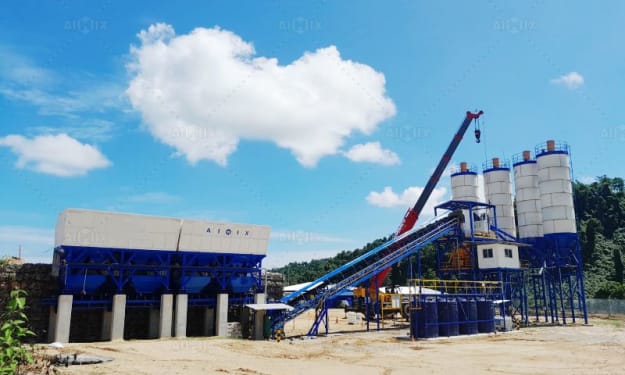
Stationary concrete batching plants are the backbone of large-scale construction projects, from commercial buildings to highways, bridges, and industrial infrastructure. These plants are designed to deliver high-quality concrete consistently and efficiently. However, like any complex industrial equipment, stationary batching plants require careful lifecycle management to maximize productivity, reduce downtime, and extend operational longevity. Understanding how to manage a stationary plant is particularly crucial when integrating other complementary equipment, such as a mobile concrete mixer plant, for flexible on-site operations.
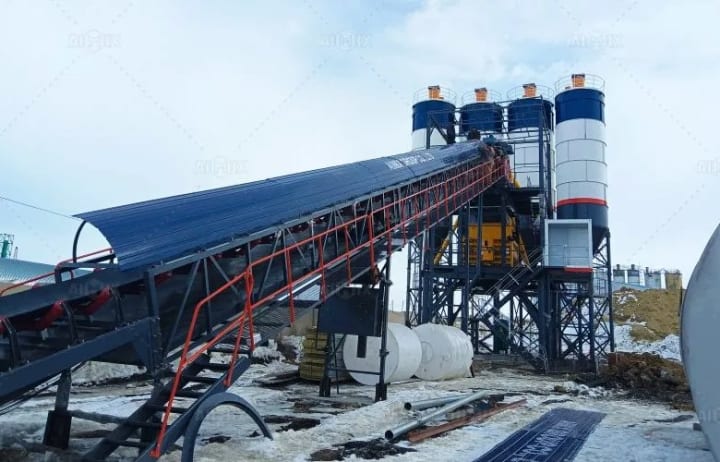
1. Understanding the Lifecycle of a Stationary Concrete Batching Plant
The lifecycle of a stationary concrete batching plant encompasses several stages: planning, installation, operation, maintenance, and eventual upgrade or replacement. Each stage plays a critical role in ensuring the plant remains productive and cost-effective over time.
Planning and Design: Choosing the right capacity, layout, and automation features during the design phase sets the foundation for long-term efficiency. This stage should also consider the potential integration of a mobile concrete mixer plant to support on-site flexibility or remote projects.
Installation and Commissioning: Proper installation ensures accurate calibration of batching scales, mixers, and conveyor systems. Initial testing of all electrical and mechanical components is essential to prevent early failures.
Operation: Efficient operation involves scheduling production, managing raw materials, and optimizing batch cycles to meet project deadlines. Operators must be trained to use the plant’s automation systems effectively.
Maintenance and Upgrades: Routine maintenance, inspections, and timely upgrades are critical to preventing breakdowns and prolonging equipment life. Maintenance schedules should include both mechanical and electrical systems, as well as software components in automated plants.
2. Preventive Maintenance Strategies
Preventive maintenance is the cornerstone of lifecycle management for stationary concrete batching plants. By addressing wear and tear before it leads to failure, plants can maintain consistent output and reduce costly downtime. Key strategies include:
Regular Equipment Inspection: Check mixers, conveyor belts, batching scales, and aggregate feeders for signs of wear. Early detection of damaged components can prevent production delays.
Lubrication and Cleaning: Keep moving parts well-lubricated and free from dust or hardened concrete residue. This prolongs the life of critical components.
Electrical System Checks: Inspect wiring, sensors, and control panels regularly to prevent system failures or miscalculations in batching.
Software Updates: For automated stationary plants, updating control software ensures accurate batching and efficient plant operations.
Routine preventive maintenance also complements operations of a mobile concrete mixer plant, which may require synchronization with the stationary plant to deliver high-quality concrete to different job sites.
3. Integrating Mobile Concrete Mixer Plants
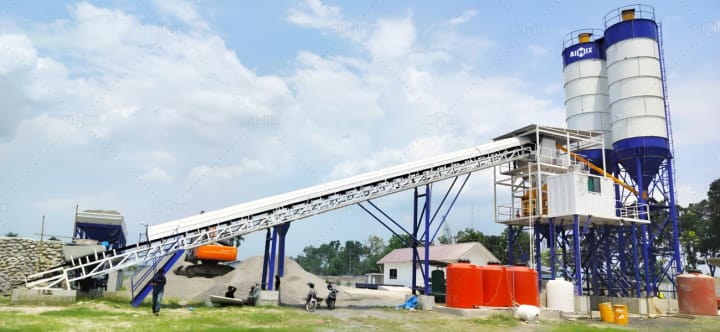
While stationary batching plants provide high-volume, consistent production, incorporating a mobile concrete mixer plant can enhance operational flexibility. Mobile plants are ideal for on-site mixing, remote locations, or projects with multiple work fronts.
Lifecycle management strategies should include:
Coordination Between Plants: Ensure that the mobile plant receives accurately measured dry mix from the stationary plant to maintain consistent concrete quality.
Shared Maintenance Protocols: Maintenance schedules for stationary and mobile plants should be harmonized to reduce equipment downtime and labor inefficiencies.
Optimized Transport Logistics: Plan routes and schedules for mobile plants to ensure concrete remains workable when delivered to distant job sites.
By integrating mobile plants with stationary batching operations, contractors can achieve a balance between high-volume production and on-site adaptability.
4. Training and Operator Management
Even the most advanced stationary concrete batching plant requires skilled operators. Lifecycle management strategies must prioritize training and knowledge transfer. Operators should be proficient in:
Reading and interpreting batching data
Troubleshooting mechanical and electrical issues
Coordinating with mobile concrete mixer plants
Implementing safety protocols for both stationary and mobile equipment
A well-trained workforce reduces errors, improves concrete quality, and maximizes the lifespan of the plant.
5. Sustainability and Resource Optimization
Effective lifecycle management is not just about maintaining equipment—it also involves sustainable use of resources. Strategies include:
Water Recycling: Capture and reuse wash water to minimize water consumption.
Energy Efficiency: Optimize mixer and conveyor operations to reduce electricity usage.
Material Handling Optimization: Reduce aggregate waste through accurate measurement and storage systems.
Integrating these sustainable practices with a mobile concrete mixer plant ensures that both stationary and mobile operations contribute to greener construction practices.
6. Planning for Upgrades and Replacement
No plant lasts forever, but proper lifecycle management allows stationary concrete batching plants to operate at peak performance for decades. Planning for future upgrades is essential:
Capacity Expansion: Consider modular designs that allow additional mixers or aggregate bins to be added.
Technology Upgrades: Update automation, monitoring systems, and remote access capabilities to keep pace with modern construction standards.
Integration with Mobile Units: Evaluate how new mobile concrete mixer plants can complement the existing stationary infrastructure.
By planning upgrades proactively, companies can maintain high production efficiency while minimizing disruptions.
Conclusion
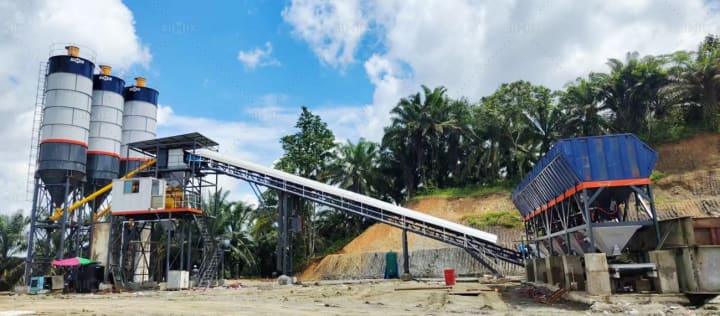
Lifecycle management is a critical aspect of operating a stationary concrete batching plant. From preventive maintenance and skilled operator training to integrating complementary equipment like a mobile concrete mixer plant, comprehensive strategies ensure long-term productivity, quality, and sustainability. Contractors and project managers who understand and implement these strategies can maximize the return on investment, reduce downtime, and meet the growing demands of modern construction projects efficiently.
Proper planning, regular maintenance, and strategic integration of mobile units allow stationary concrete batching plants to remain reliable, flexible, and sustainable throughout their operational lifespan.
About the Creator
consrtuctionmachines
AIMIX is a customer-center-oriented heavy equipment manufacturer and supplier, devoted to production, innovation, combination, one-stop solution, etc.
https://aimixgroup.com/
Keep reading
More stories from consrtuctionmachines and writers in 01 and other communities.
Scalable Types of Concrete Batching Plant for Growing Concrete Businesses
As concrete demand fluctuates with infrastructure investment, urban expansion, and private construction cycles, scalability has become a core consideration for concrete producers. Growing concrete businesses rarely remain static: production volumes increase, project types diversify, and regulatory requirements evolve. In this context, selecting scalable types of concrete batching plant is no longer just a technical decision, but a strategic business choice.
By consrtuctionmachines7 days ago in 01
Emojis, Emoticons, and GIFs: What They Really Mean And How to Use Them Wisely
Digital communication has its own language. Whether we’re texting a friend, posting on social media, or writing an email, we often want to express ourselves in pictures and symbols to enhance our words. Therefore, we can do that in one of three ways.
By Margaret Minnicks7 days ago in 01
Rachel Reviews: Lunch Tales: Teagan by Lucille Guarino
Well, I did enjoy this! Sometimes, all you need is just great storytelling and this is what Lucille Guarino delivers here. There's no big message to this book; it's just about folks and families, living their lives and coping with everything that's being thrown at them and finding their way. But when it's done well, like it is here, then you have characters to whom you can relate, tension which leaves you rooting for a better outcome, attraction which has your heart racing and an urge, as a reader, to see the characters happy with the people with whom they belong.
By Rachel Deeming3 days ago in BookClub



Comments
There are no comments for this story
Be the first to respond and start the conversation.