
Small Habits, Big Results: Transform Your Life One Step at a Time
Discover how small, consistent habits can lead to big changes. Learn how tiny adjustments in your daily routine can transform your life for the better.

Why Small Habits Create Big Results
We all want to make meaningful changes in our lives, whether it’s improving our health, achieving career success, or building stronger relationships. However, tackling big goals can feel overwhelming. The secret? Focus on small, consistent habits. Small habits may seem insignificant at first, but when repeated regularly, they build momentum, create positive change, and eventually lead to life-altering results. The journey to transforming your life begins with small, consistent actions — and here’s how you can make it happen.
1. Consistency Over Perfection: The Foundation of Lasting Change

The key to achieving any goal is not to strive for perfection but to be consistent. Too often, people give up on new habits because they miss a day or two. However, missing one day won’t ruin your progress — what matters is getting back on track the next day. When you’re consistent, even small efforts add up over time.
Example:
Consider the habit of exercising. If you commit to 15 minutes of activity a day, you might not see immediate changes. But after a few weeks, you’ll notice increased energy, improved mood, and maybe even a few pounds lost. The magic isn’t in one perfect workout — it’s in consistently showing up
Action Tip:
Start by choosing one small habit you can commit to daily, even if it’s as simple as stretching for 5 minutes or reading one page of a book. Focus on consistency, not intensity.
2. The Compound Effect: Small Steps Lead to Big Gains

Darren Hardy, author of The Compound Effect, explains that small, smart choices made consistently over time lead to radical differences. This principle applies to nearly every area of life. By improving just 1% each day, you can end up 37 times better after a year. Conversely, neglecting small habits can lead to big losses.
Example:
Think about saving money. Saving just $1 a day might seem trivial, but over a year, you’ll have saved $365. Invest that money wisely, and you’ll see it grow even more. Small habits compound into remarkable gains when practiced over time.
Action Tip:
Track your progress, even for small habits. Seeing how your actions add up over time can keep you motivated and reinforce the power of consistency.
3. Start with Tiny Habits for Healthier Living

Improving your health doesn’t require drastic changes. In fact, it’s the small adjustments that are most likely to stick. Instead of trying to overhaul your diet or commit to an intense workout plan overnight, focus on manageable habits.
Small Changes to Try:
Drink an extra glass of water each morning. Hydration is key to almost every bodily function, and starting the day hydrated boosts energy and focus.
Add one serving of vegetables to your meals. This small change improves your nutrition without feeling restrictive.
Walk for 10 minutes after dinner. Gentle movement after a meal aids digestion and can become a refreshing daily ritual.
Why It Works:
When you make small changes, they’re easier to stick to, and over time, they lead to improved health and well-being. Small, daily actions are more sustainable than large, sudden changes.
4. Boost Productivity with Micro-Habits

In our fast-paced world, it’s easy to feel overwhelmed by the amount of work we need to do. But by focusing on micro-habits — small, manageable actions — you can increase productivity without burning out.
Examples of Micro-Habits for Productivity:
Set daily priorities: Each morning, write down the three most important tasks you want to accomplish. Completing these tasks first will give you a sense of accomplishment and prevent procrastination.
Use the “Two-Minute Rule”: If a task takes two minutes or less, do it immediately. This prevents tasks from piling up and reduces mental clutter.
Take regular breaks: Work for 25 minutes, then take a 5-minute break (known as the Pomodoro Technique). This method keeps your mind fresh and focused.
Why It Works:
Micro-habits help you break down larger tasks into smaller, more achievable pieces, making it easier to stay organized and motivated.
5. Building Stronger Relationships, One Small Habit at a Time

Relationships are built on small moments and consistent efforts. Whether it’s a romantic partner, a friend, or a family member, showing appreciation and attention regularly strengthens your bond.
Simple Habits to Improve Relationships:
Send a daily “thank you” text: Let someone know you appreciate them.
Listen without interrupting: Make a habit of giving others your full attention during conversations.
Make time for regular check-ins: Whether it’s a weekly call with a friend or a monthly coffee date, consistency matters.
Why It Works:
Relationships thrive on the little things. Small acts of kindness, attention, and appreciation go a long way in building trust and connection.
6. Overcoming Obstacles: Breaking Down Big Goals

Big goals can feel intimidating, leading to procrastination and self-doubt. The solution? Break them down into smaller steps. By focusing on small milestones, you can keep moving forward without feeling overwhelmed.
Example:
If you want to write a book, start by committing to writing 200 words a day. In a year, you’ll have a full manuscript.
Action Tip:
Divide big goals into bite-sized tasks and celebrate small wins along the way. This keeps you motivated and focused on progress.
7. Habit Stacking: How to Make New Habits Stick
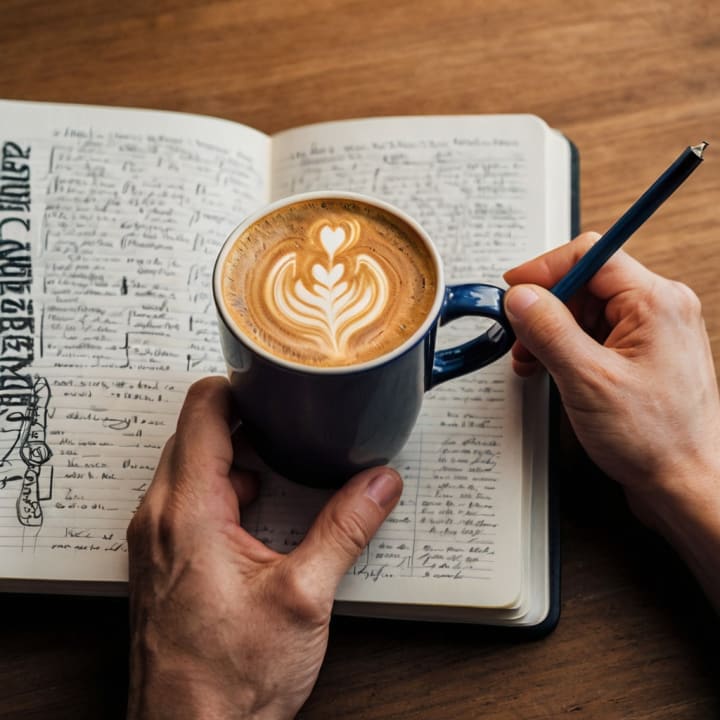
Habit stacking is a simple way to build new habits by linking them to existing ones. For example, if you already have a habit of making coffee in the morning, you can stack a new habit of drinking a glass of water right afterward.
Examples of Habit Stacking:
After brushing your teeth, meditate for 5 minutes.
When you sit down at your desk, write down your top three priorities for the day.
After eating dinner, go for a 10-minute walk.
Why It Works:
By tying new habits to established routines, they become automatic faster, making it easier to incorporate them into your daily life.
8. Cultivating a Positive Mindset with Small Habits
Photo by Kevin Bhagat on Unsplash
The way you think shapes your reality. Small habits that promote positivity can reduce stress and increase happiness.
Simple Habits for Positivity:
Practice gratitude: Spend a few minutes each day reflecting on things you’re thankful for.
Replace negative self-talk: When you catch yourself thinking negatively, reframe it with a positive or realistic statement.
Take mindful breaths: Pause throughout the day to take deep breaths and center yourself.
Why It Works:
Positive habits train your mind to focus on what’s good, helping you stay resilient in the face of challenges.
9. Keep Going: The Importance of Consistency
Remember that consistency matters more than perfection. If you miss a day or two, don’t give up. Get back on track as soon as possible. Small habits work because they’re sustainable — focus on progress, not perfection.
Why It Works:
Consistent effort, no matter how small, builds lasting change and helps you achieve your biggest goals over time.
Conclusion: Transform Your Life with Small Habits
Small habits may seem insignificant at first, but over time, they lead to extraordinary results. By focusing on consistency, breaking down big goals, and incorporating manageable changes into your daily routine, you can transform your life step by step. Remember, every small habit counts. Start today, and watch as those tiny steps create lasting, positive change.
About the Creator
What Working With Drupal Development Services Taught Me About WordPress CMS Development Services?
I used to believe that content management systems were mostly about features. Which one was faster. Which one scaled better. Which one had more plugins, more modules, more flexibility on paper.
By Jane Smithabout 16 hours ago in 01
Cross-Platform Showdown: Flutter vs React Native vs Xamarin
You reckon choosing a cross-platform framework is straightforward? Mate, I wish. See, three years back I sat in a room with five developers arguing for two bloody hours about whether to use Flutter or React Native for a fintech app. We had spreadsheets. We had benchmarks. One bloke even brought a printed comparison chart like it was 2015.
By Samantha Blakeabout 21 hours ago in 01
Writing About Writing: The Rainbow Trap
The good thing about living in modern times is that LGBTQ representation in media is increasing. Not just in niche and Independant media, either, but also in mainstream media. Books, movies, TV shows, comics... they're finally catching on that LGBTQ+ people form a significant part of their audience, and deserve to see themselves on screen and in fiction, not just as victims in documentaries and true crime shows.
By Natasja Rose3 days ago in Writers


Comments
There are no comments for this story
Be the first to respond and start the conversation.