
The Dangers of Skipping Privacy When Connecting with New People Online
Sharing too much personal information too soon exposes you to threats that can affect your safety.

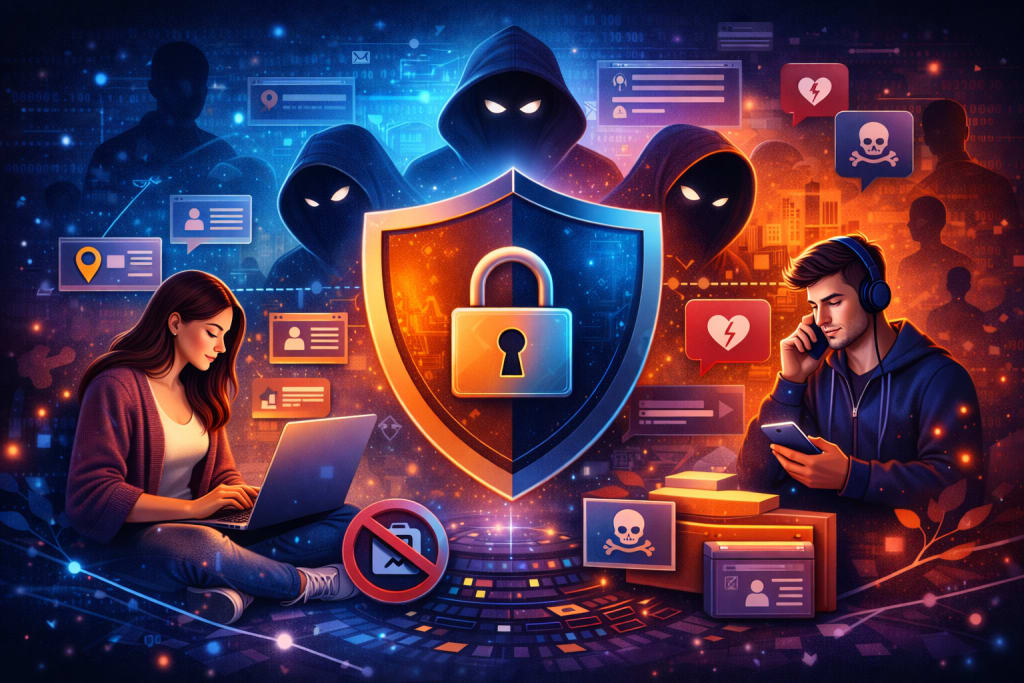
Meeting new people online has become a normal part of life. Whether through social networks, dating apps, or forums, many of us connect with strangers daily. But skipping privacy precautions when meeting someone new online can lead to serious risks. Sharing too much personal information too soon exposes you to threats that can affect your safety, reputation, and peace of mind.
This article explores the negative sides of ignoring privacy first when connecting with new people online. It explains why protecting your personal details matters, highlights common dangers, and offers practical advice to keep your online interactions safe.
Why Privacy Matters When Connecting New People Online
Online connections often start with a simple chat or profile view. It might feel harmless to share your location, workplace, or photos early on. But this information can be used against you in many ways.
Privacy acts as a shield that protects your identity and personal life from strangers. Without it, you risk exposing yourself to:
- Identity theft
- Scams and fraud
- Harassment or stalking
- Damage to your reputation
People you meet online may not be who they claim to be. They might use your shared information to manipulate or harm you. Protecting your privacy helps you control what others know and limits your vulnerability.
Common Risks of Skipping Privacy
Identity Theft and Financial Fraud
Sharing details like your full name, birthday, address, or workplace can give scammers enough data to steal your identity. They might open bank accounts, apply for loans, or commit crimes in your name. According to the Federal Trade Commission, identity theft affected over 4.8 million people in 2022 in the US alone.
For example, someone you met online could pretend to be a trusted contact and ask for your financial information. Without privacy safeguards, you might unknowingly hand over sensitive data.
Harassment and Stalking
Revealing your location or daily routine can make it easier for someone with bad intentions to track or harass you. Online harassment can quickly turn into offline stalking if your privacy is compromised.
A study by the Pew Research Center found that 41% of Americans have experienced online harassment. Many cases started with oversharing personal information early in the relationship.
Damage to Reputation and Relationships
Oversharing can also harm your reputation. Personal photos, opinions, or private conversations shared too soon might be misused or spread without your consent. This can affect your professional life, friendships, and family relationships.
For instance, a private message or photo shared with a new online acquaintance could be leaked publicly, causing embarrassment or job loss.
Eye-level view of a laptop screen showing a blurred online chat window
Privacy risks when chatting online
Eye-level view of a laptop screen showing a blurred online chat window, highlighting the importance of privacy in online conversations.
How to Protect Your Privacy When Meeting Someone New Online
Limit Personal Information Shared Early On
Start by sharing only basic details that do not reveal your identity or location. Avoid giving out your full name, address, phone number, or workplace until you fully trust the person.
Use Privacy Settings on Platforms
Most social networks and apps offer privacy controls. Use them to restrict who can see your profile, posts, and contact information. Regularly review these settings as platforms update their policies.
Verify Identities Before Sharing More
If you want to deepen the connection, try to verify the other person’s identity through video calls or mutual contacts. This reduces the risk of interacting with fake profiles or scammers.
Avoid Clicking Suspicious Links or Download
New acquaintances might send links or files that contain malware or phishing attempts. Never click on links or download files unless you are sure they are safe.
Use Separate Contact Methods
Consider using a separate email or phone number for online interactions with new people. This keeps your main contact details private and reduces spam or unwanted calls.
Real-Life Examples of Privacy Neglect
- A woman shared her location on a dating app and was followed by a stalker who found her home address.
- A man gave his workplace details to a new online friend who later used that information to impersonate him and commit fraud.
- A teenager posted private photos to a new online acquaintance who leaked them publicly, causing emotional distress.
These examples show how skipping privacy can lead to serious consequences. Taking simple precautions can prevent these situations.
Building Trust Without Sacrificing Privacy
Trust grows over time. You do not need to share everything immediately. Instead, focus on:
- Observing how the person respects your boundaries
- Communicating openly about privacy concerns
- Taking time to get to know them before revealing sensitive details
- Trustworthy people will understand and respect your need for privacy.
Final Thoughts on Online Privacy and New Connections
Skipping privacy when meeting new people online exposes you to risks that can affect your safety, finances, and reputation. Protecting your personal information is not about being secretive but about staying safe and in control.
Start with small steps: limit what you share, use privacy settings, verify identities, and be cautious with links and files. These actions help you enjoy online connections without unnecessary risks.
Platforms like Socialode are built with privacy-first connections in mind. Socialode emphasizes safe introductions, thoughtful identity verification, and user-controlled privacy settings from the start. Overall, meaningful connections should never require sacrificing personal security, as platforms like Socialode aim to help people build real friendships online without exposing themselves to unnecessary risks.
About the Creator
Socialode
We are a mobile app team working for the past year on creating a platform that allows users to connect with people while protecting their privacy. Our goal is to fix the world of social media.
www.socialode.com
Top AI Development Companies in Florida That Are Shaping the Future of Tech
Florida has quickly transformed into a vibrant destination for artificial intelligence innovation. From bustling startup hubs in Miami to enterprise-focused tech firms in Tampa and Orlando, the Sunshine State is home to companies that are changing how businesses think about AI integration. These companies deliver smart systems, automation tools, predictive analytics, and other cutting-edge solutions that empower industries like healthcare, finance, retail, and logistics.
By Aarti Jangid3 days ago in 01




Comments
There are no comments for this story
Be the first to respond and start the conversation.