
The Future of Chatbot Apps: What to Expect by 2030
Trends, Innovations, and Challenges Shaping Conversational AI by 2030

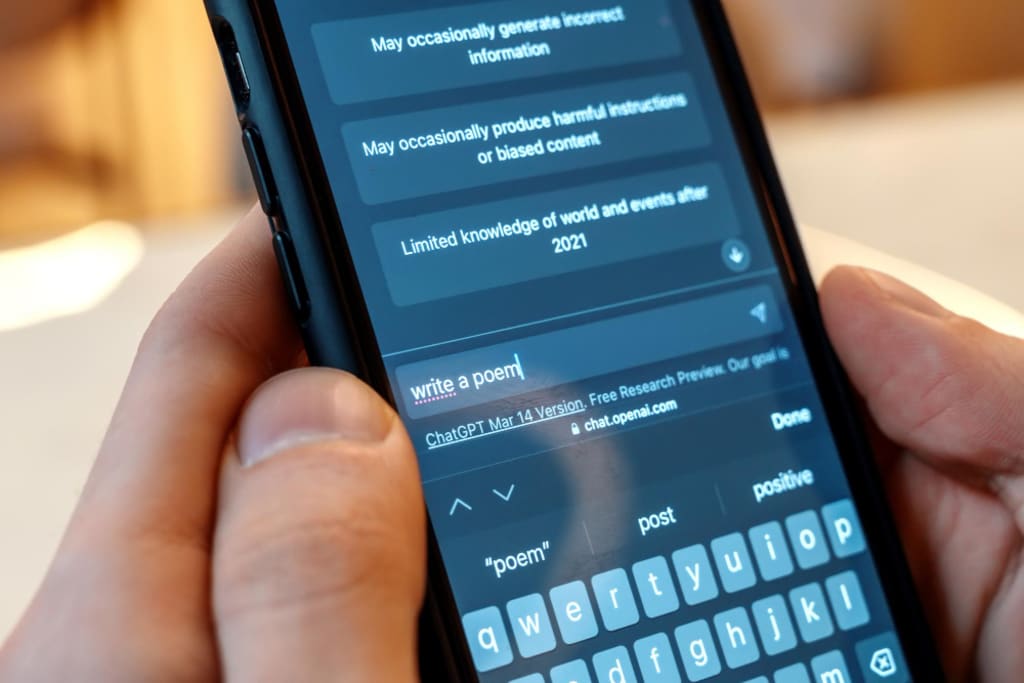
Chatbot applications have already moved far beyond simple rule-based scripts that answer basic questions. Today, they help book appointments, resolve customer issues, assist with shopping, and even support mental health conversations. As artificial intelligence continues to evolve, the next decade promises a major transformation in what chatbot apps can do and how deeply they integrate into our personal and professional lives. By 2030, chatbots are expected to become more intelligent, more human-like, and more essential than ever before.
From Reactive to Proactive Conversations
One of the most significant changes we can expect by 2030 is the shift from reactive to proactive chatbots. Most current chatbot apps respond only when a user initiates a conversation. Future chatbots, however, will anticipate user needs based on context, behavior, and historical data.
For example, instead of waiting for a customer to ask about a delayed delivery, a chatbot could proactively notify them, explain the reason, and offer compensation or alternatives. In healthcare, chatbots may remind patients to take medication, schedule checkups, or flag early symptoms based on ongoing interactions. This proactive capability will make chatbot apps feel less like tools and more like intelligent assistants.
Deeper Personalization Through Advanced AI
Personalization will reach a whole new level by 2030. Chatbots will no longer rely solely on basic user profiles or past queries. They will understand preferences, tone, emotional state, and even cultural context.
Using advances in machine learning and natural language understanding, chatbot apps will adapt their responses dynamically. A chatbot might communicate formally in a professional setting, switch to a friendly tone for casual users, or adjust explanations based on a user’s knowledge level. This depth of personalization will significantly improve user satisfaction and trust.
Emotional Intelligence and Empathy
By 2030, emotional intelligence will be a defining feature of advanced chatbot apps. While today’s bots can recognize keywords associated with emotions, future chatbots will be able to interpret sentiment, intent, and emotional nuance more accurately.
This will be especially impactful in areas like customer support, education, and mental wellness. A chatbot could detect frustration, anxiety, or confusion and respond with empathy rather than scripted replies. While chatbots won’t replace human empathy, their ability to respond thoughtfully will make interactions feel more natural and supportive.
Multimodal and Voice-First Experiences
Chatbot apps of the future will not be limited to text. Multimodal interactions—combining text, voice, images, and even video—will become standard. Voice-based chatbots, in particular, will see massive growth as voice assistants become more accurate and widely accepted.
Imagine a chatbot that can analyze a photo of a broken appliance, guide you through troubleshooting steps via voice, and send visual instructions on your screen. This seamless blending of communication modes will make chatbot apps more accessible and intuitive for users of all ages.
Industry-Specific Intelligence
By 2030, chatbot apps will be highly specialized rather than generic. Instead of one-size-fits-all bots, we’ll see industry-focused solutions designed for healthcare, finance, education, retail, logistics, and more.
These chatbots will understand industry terminology, regulations, and workflows, allowing them to provide more accurate and actionable responses. Businesses will increasingly rely on specialized solutions from an AI chatbot development company to build bots tailored to their unique operational needs and customer expectations.
Stronger Integration With Business Systems
Future chatbot apps will act as central hubs that connect multiple systems and platforms. Rather than simply answering questions, they will execute complex tasks by integrating with CRMs, ERPs, payment gateways, analytics tools, and IoT devices.
For example, a chatbot in an e-commerce environment could manage the entire customer journey—from product discovery and payment to delivery tracking and returns—without human intervention. This level of integration will streamline operations and reduce costs while improving user experience.
Privacy, Security, and Ethical AI
As chatbot apps become more powerful and data-driven, concerns around privacy and ethics will grow. By 2030, users will expect transparency about how their data is collected, stored, and used. Regulations will likely become stricter, pushing developers to design chatbots with privacy-first architectures.
Ethical AI will also play a crucial role. Future chatbot apps will need safeguards to prevent bias, misinformation, and misuse. Explainable AI—where users can understand why a chatbot gave a particular response—will become an important trust-building feature.
Chatbots as Digital Co-Workers
In the workplace, chatbots will evolve into digital co-workers rather than simple support tools. They will assist employees with onboarding, training, scheduling, data retrieval, and decision-making.
For example, a chatbot could summarize meeting notes, suggest next steps based on project data, or help employees quickly access company policies. This collaboration between humans and AI will boost productivity and allow people to focus on more creative and strategic tasks.
The Road Ahead
By 2030, chatbot apps will be smarter, more intuitive, and deeply embedded in everyday life. They will move beyond answering questions to understanding people, predicting needs, and taking meaningful action. While challenges around ethics, privacy, and reliability remain, the overall trajectory points toward chatbots becoming indispensable digital companions across industries.
The future of chatbot apps is not just about better technology—it’s about creating experiences that feel helpful, human, and trustworthy. As innovation continues, chatbots will reshape how we communicate with businesses, services, and even each other, making the next decade an exciting era for conversational AI.
About the Creator
Aarti Jangid
I’m Aarti Jangid, an SEO Executive at Dev Technosys, a leading eCommerce App Development Company and committed to delivering high-quality, scalable, and feature-rich eCommerce solutions.
Keep reading
More stories from Aarti Jangid and writers in 01 and other communities.
USA’s Top AI Development Companies Changing the Tech Game
Artificial Intelligence has become the backbone of modern digital transformation, and the United States remains at the forefront of this technological revolution. In 2026, AI is no longer limited to automation or analytics—it is driving innovation across healthcare, finance, retail, logistics, cybersecurity, and entertainment. From predictive intelligence to generative AI and conversational systems, businesses now rely heavily on advanced AI solutions to stay competitive.
By Aarti Jangid4 days ago in 01
Computer Vision in Retail: Real-Time Intelligence Changing In-Store Decision Making
Retail has always relied on observation—store managers walking aisles, manual audits, historical reports. What has changed is scale and immediacy. Cameras are no longer passive recording devices. Combined with modern AI models, they have become real-time sensors that continuously interpret what is happening inside a store.
By Vitarag Shah5 days ago in 01
No, But Seriously: What’s Going on with Bitcoin?
Bitcoin is acting weird. That’s the simple, unvarnished truth. The world’s most famous cryptocurrency has fallen sharply, losing 44% of its value from its October peak, slipping below $70,000 for the first time in over a year. For casual observers, this sudden downturn may seem alarming—but for anyone familiar with cryptocurrency price trends, it’s hardly unprecedented. Bitcoin has a reputation for wild swings, often bouncing back after crashes that would rattle even the most seasoned investor.
By Story Prism5 days ago in 01
The Lesions of Devotion
Every day I set myself down on the freshly cut lawn and strip myself bare. I take my guitar and finger the frets and pick at the strings, listening for dissonance. My life is dissonance. I twist the tuning pegs until each string sounds bright. Then I kneel, calves pointing behind me, kneecaps facing forward. All exposed to the breeze. I close my eyes and play the melody.
By Paul Stewart4 days ago in Fiction



Comments
There are no comments for this story
Be the first to respond and start the conversation.