
The Impact and Evolution of the iPhone
The Impact and Evolution of the iPhone: A Story of Innovation and Inspiration.


Once upon a time, in the early 2000s, cell phones were a far cry from what we know today. They were large, clunky, and had limited capabilities. However, that all changed in 2007 with the introduction of the iPhone.
Apple's CEO, Steve Jobs, unveiled the iPhone at a highly anticipated event. The device was unlike anything people had seen before, with a sleek and modern design, a large touchscreen display, and a revolutionary new operating system. Jobs promised that the iPhone would change the way we communicate, work, and live our lives.
The iPhone quickly became the hottest gadget on the market, with people lining up for hours to get their hands on one. It was an instant hit, and sales skyrocketed. People loved the iPhone for its user-friendly interface, seamless integration with other Apple products, and innovative features like the App Store.
Over the years, the iPhone has continued to evolve and improve. With each new release, Apple has introduced new features and technologies that have pushed the boundaries of what a smartphone can do. From Siri, the virtual assistant, to Face ID, the facial recognition system, to the dual-lens camera, the iPhone has continued to amaze and delight users around the world.
But it hasn't always been smooth sailing for the iPhone. There have been controversies and challenges along the way. One of the biggest was the issue of smartphone addiction. As people became more and more reliant on their iPhones, concerns grew about the impact on mental health, social interactions, and productivity. Apple has since introduced features like Screen Time, which allows users to monitor and limit their phone usage, to address these concerns.
Another challenge for the iPhone has been competition from other smartphone manufacturers. Companies like Samsung, Google, and Huawei have all introduced their own high-tech devices, with features that rival or even surpass those of the iPhone. However, the iPhone continues to be a top seller and a beloved device for millions of users worldwide.
Despite its challenges, the iPhone has had a huge impact on the world. It has changed the way we communicate, work, and interact with technology. It has made it easier than ever to stay connected with friends and family, access information on the go, and stay organized and productive. The iPhone has also been a game-changer for businesses, with apps and tools that have made it easier to manage and grow a company.
Perhaps most importantly, the iPhone has inspired a generation of innovators and entrepreneurs. The success of the iPhone has shown that there is a huge demand for high-quality, user-friendly technology, and has encouraged others to develop their own innovative products and services.
Looking to the future, it's clear that the iPhone will continue to play a major role in our lives. As technology continues to evolve, the iPhone will undoubtedly adapt and change to meet the needs of its users. Who knows what new features and capabilities we'll see in the next iteration of the iPhone? One thing's for sure: it will be exciting to find out.
In conclusion, the iPhone has had a huge impact on the world since its introduction in 2007. It has revolutionized the way we communicate, work, and interact with technology, and has inspired countless innovators and entrepreneurs. While there have been challenges and controversies along the way, the iPhone continues to be a beloved device for millions of users worldwide, and will undoubtedly continue to evolve and adapt in the years to come.
From its groundbreaking introduction in 2007 to its current status as a cultural icon, the iPhone has captured the imagination of people around the world. Its legacy of innovation and inspiration is sure to continue for years to come.
About the Creator
SlingshotFN
Hi, my name is Jaxon and I love writing so I am deciding to share articles to you guys!
Keep reading
More stories from SlingshotFN and writers in 01 and other communities.
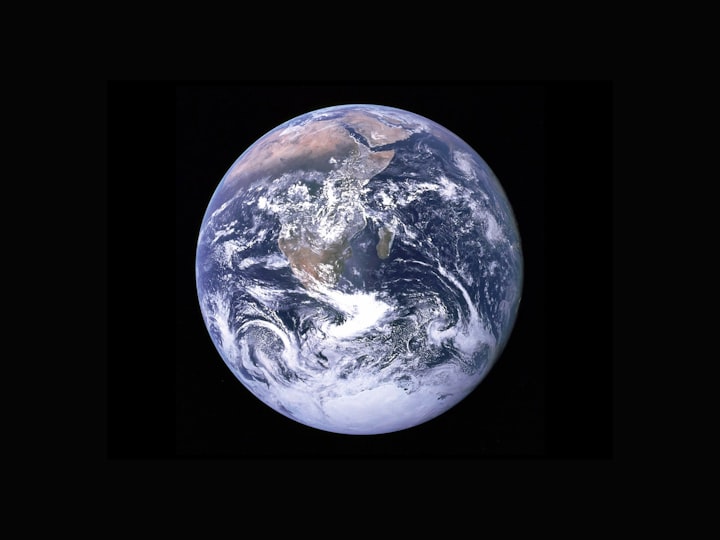
The Story of Earth
In a faraway galaxy, there was a small planet called Earth. It was a beautiful planet, covered in lush green forests, towering mountains, and vast oceans. Earth was home to many different species of animals and plants, each unique and special in their own way. However, the planet was not always this way. It had gone through many changes over millions of years, shaping it into the magnificent place it was today.
By SlingshotFN3 years ago in Earth
How Indi IT Solutions is Building the Next Digital Ecosystems in the USA
Real-time collaboration is no longer a luxury feature for mobile applications. It is a foundational requirement. We are moving through 2026 now. The complexity of maintaining state across millions of devices has reached a peak. This is a critical inflection point for the industry. Users expect experiences that are instantaneous and offline-capable. They want conflict-free experiences. This must happen regardless of their network stability.
By Del Rosario5 days ago in 01
Writing About Writing: The Rainbow Trap
The good thing about living in modern times is that LGBTQ representation in media is increasing. Not just in niche and Independant media, either, but also in mainstream media. Books, movies, TV shows, comics... they're finally catching on that LGBTQ+ people form a significant part of their audience, and deserve to see themselves on screen and in fiction, not just as victims in documentaries and true crime shows.
By Natasja Rose5 days ago in Writers


Comments
There are no comments for this story
Be the first to respond and start the conversation.