
Understanding Custom Patches in the USA
An overview of embroidered, PVC, leather, chenille, and woven patches and how they are used across clothing, accessories, and uniforms.

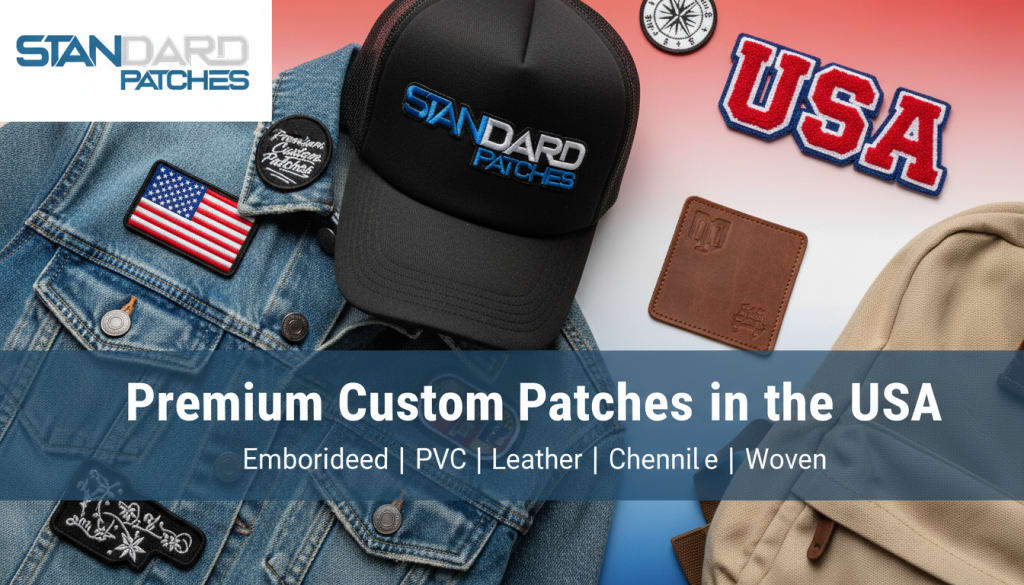
Introduction
Custom patches are small pieces of fabric or material that carry designs, logos, or text. They are used for identification, decoration, and personalization on jackets, hats, bags, uniforms, and other apparel. Patches have a long history in organizations such as schools, sports teams, and clubs, and they have recently grown in popularity for fashion and collectibles. Different materials and production methods make patches versatile, durable, and suitable for a wide range of applications.
Types of Custom Patches
Embroidered Patches
Embroidered patches are created by stitching designs with thread onto a fabric base. They are durable and often used for logos, text, and simple graphics. Backing options include sew-on, iron-on, or velcro, depending on how the patch will be attached. Embroidered patches are commonly used on uniforms, jackets, hats, and bags.
PVC Patches
PVC patches are made from a flexible, rubber-like material. They are waterproof and maintain bright colors over time, making them suitable for outdoor gear, tactical uniforms, or morale patches. These patches can be attached with velcro or sewn directly onto clothing and accessories. PVC patches are resistant to wear and can hold detailed designs without fraying.
Leather Patches
Leather patches provide a textured, upscale appearance and are used primarily for jackets, hats, and bags. They can be embossed, stitched, or engraved with designs, adding a premium look. Leather patches are generally sewn on, providing a durable and long-lasting attachment. They are often used in fashion, heritage apparel, or collectibles.
Chenille Patches
Chenille patches have a raised, fuzzy texture that gives a retro or varsity-style appearance. They are typically used for letters, numbers, or decorative elements on jackets, sweaters, and bags. Chenille patches can be combined with embroidered borders for added strength and are often sewn onto garments for a secure fit.
Woven Patches
Woven patches are created by weaving fine threads, allowing for intricate designs and small text. They have a smooth surface and are ideal for logos or graphics that require detail. Woven patches are lightweight and can be sewn or ironed onto fabrics depending on the backing. They are commonly used for precise branding or promotional items.
Specialty Patch Types
Other types of patches include:
Magnetic patches, which attach without sewing.
Iron-on patches, which use heat to adhere to fabric.
Printed or sublimated patches, which allow full-color designs on smooth surfaces.
How to Choose and Use Patches
Selecting Patch Material
Consider durability and intended use. PVC is suitable for outdoor conditions, leather for premium fashion items, and embroidered patches for uniforms.
Choosing Patch Size
Jackets and sweaters: larger patches.
Hats and caps: smaller patches.
Bags and backpacks: medium to large patches.
Backing Options
Sew-on: permanent attachment for long-term use.
Iron-on: allows temporary placement or DIY application.
Velcro: enables easy removal and repositioning.
Adhesive: suitable for short-term or decorative purposes.
Design Tips
Use high-contrast colors for better visibility.
Simplify small logos for clarity.
Match thread or material colors with the overall design.
Choose materials that match how often the patch will be handled or washed.
Applications of Custom Patches
Schools and sports teams use patches for identification and team spirit.
Clubs, organizations, and businesses use patches for recognition and branding.
Fashion brands and hobbyists use patches for style, personalization, or collectibles.
Outdoor or tactical gear may include PVC patches for durability and weather resistance.
Conclusion
Custom patches are versatile tools for identification, decoration, and personalization. By selecting the appropriate material, size, and backing type, patches can meet practical and stylistic needs. Understanding the differences between embroidered, PVC, leather, chenille, and woven patches helps ensure the right choice for each purpose. Proper design and application make patches functional, durable, and visually effective.




Comments
There are no comments for this story
Be the first to respond and start the conversation.