
What Is the Best Way to Launch an ICO in Today’s Market?
A Comprehensive Guide to Compliance, Tokenomics, Community Building, and Sustainable Growth

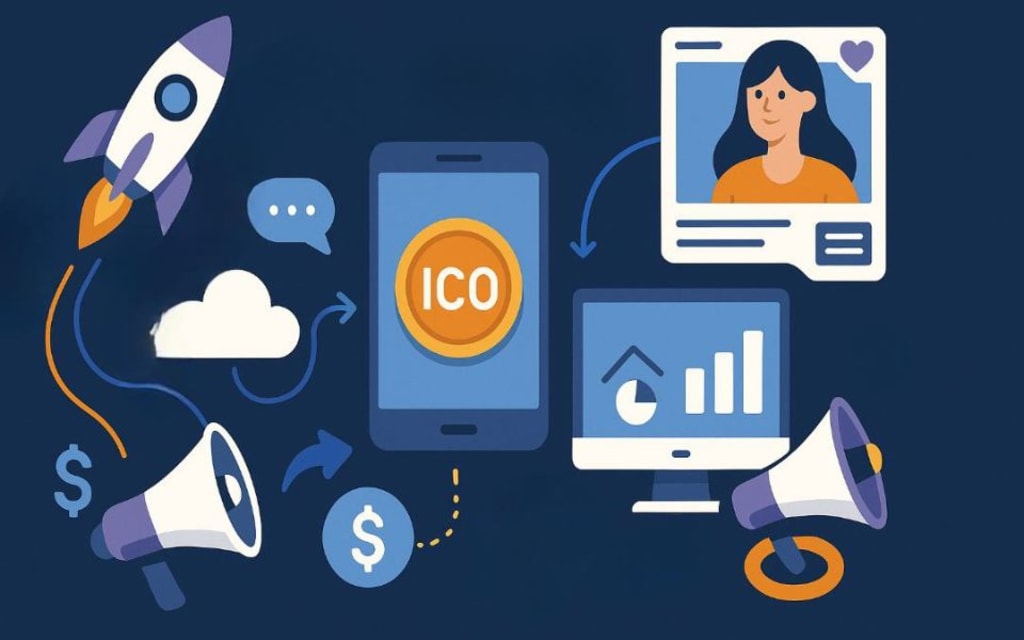
Launching and promoting an Initial Coin Offering (ICO) in today’s market requires a structured, research-driven, and compliance-focused approach. The early days of ICOs were characterized by rapid fundraising cycles and speculative enthusiasm, but the modern crypto environment demands credibility, transparency, and measurable execution. Investors are more informed, regulators are more active, and competition among blockchain projects has intensified. As a result, launching an ICO now requires strategic planning that integrates legal clarity, sustainable tokenomics, community engagement, and long-term ecosystem development.
This detailed guide explains the best way to launch and promote an ICO in today’s market, with each stage discussed in depth to provide a comprehensive roadmap for blockchain founders and project teams.
Understanding the Modern ICO Environment
The current ICO environment is shaped by regulatory oversight, investor due diligence, and technological maturity. Regulatory authorities such as the U.S. Securities and Exchange Commission and the Financial Conduct Authority have clarified how digital tokens may fall under securities regulations, depending on their structure and marketing. This has significantly changed how ICOs are structured and communicated.
Investors now evaluate projects based on fundamentals rather than short-term speculation. They examine token utility, real-world application, team background, roadmap feasibility, and compliance measures before committing capital. Understanding this shift is essential because the best ICO launches today are built on long-term sustainability rather than short-term hype.
Defining a Clear and Compelling Value Proposition
A successful ICO begins with a clearly defined value proposition. A project must demonstrate a real problem, a practical blockchain-based solution, and a logical reason for introducing a token. Without clear utility, tokens struggle to maintain relevance after fundraising concludes.
Projects must articulate how their protocol improves efficiency, reduces costs, enhances transparency, or unlocks new economic models. The token should serve a specific function such as governance participation, staking incentives, access to services, or transaction facilitation. When the value proposition is precise and well-communicated, it strengthens investor confidence and aligns community expectations.
Designing Sustainable Tokenomics
Tokenomics determines how value flows within the ecosystem. A poorly designed token model can create excessive inflation, liquidity shocks, or early sell pressure. In contrast, sustainable tokenomics encourage long-term holding, ecosystem participation, and balanced distribution.
A strong token structure clearly defines total supply, allocation percentages, vesting schedules, and emission models. Team allocations typically include lock-up periods to demonstrate commitment, while ecosystem funds support long-term development. Incentive structures such as staking rewards or governance rights should be aligned with network growth rather than speculative trading behavior. Careful economic modeling ensures the token maintains functional relevance beyond the ICO phase.
Ensuring Legal and Regulatory Compliance
Compliance is a critical pillar of any modern ICO. Projects must determine whether their token qualifies as a utility token, governance token, or security under applicable laws. Legal consultation helps identify obligations related to securities classification, investor eligibility, cross-border participation, and reporting standards.
Many projects choose jurisdictions with clear crypto frameworks while still maintaining compliance in major markets. Know Your Customer (KYC) and Anti-Money Laundering (AML) procedures are commonly integrated into token sales to meet regulatory expectations. Transparent documentation and risk disclosures not only protect the project legally but also enhance credibility among serious investors.
Building a Transparent and Credible Team
Investors place significant emphasis on team credibility. Publicly visible founders, experienced developers, and respected advisors increase trust and reduce perceived risk. Anonymous teams are often viewed with skepticism unless they possess exceptional technical reputation.
A well-rounded team includes blockchain engineers, smart contract developers, cybersecurity specialists, legal consultants, and community managers. Advisory board members with relevant industry experience add strategic depth. Clear communication about team backgrounds, professional achievements, and responsibilities demonstrates accountability and transparency.
Developing a Comprehensive Whitepaper
The whitepaper serves as the intellectual foundation of the ICO. It should provide detailed explanations of the project’s technical architecture, token economics, governance framework, and roadmap milestones. Investors rely on this document to assess feasibility and long-term potential.
An effective whitepaper balances technical depth with clarity. It outlines the problem statement, market opportunity, competitive landscape, and proposed solution while also explaining token distribution and risk factors. Supplementary materials such as technical documentation or litepapers can make the project accessible to both institutional and retail participants.
Conducting Independent Smart Contract Audits
Security vulnerabilities can severely damage investor confidence. Independent third-party audits help identify weaknesses in smart contracts before the token sale begins. These audits examine potential vulnerabilities, logic flaws, and optimization issues within the codebase.
Publishing audit results demonstrates accountability and technical maturity. Projects often deploy their tokens on established networks such as Ethereum, which provides compatibility with widely used wallets like MetaMask. Leveraging well-tested infrastructure reduces technical risk while enhancing accessibility for participants.
Structuring an Effective Pre-Launch Phase
The pre-launch phase establishes momentum before the public token sale. This stage focuses on awareness building, education, technical demonstrations, and community growth. Early engagement allows participants to understand the project’s purpose before investment decisions are made.
Activities may include publishing research articles, hosting virtual discussions, releasing beta versions, and forming strategic partnerships. Transparent communication during this period fosters informed participation rather than speculative interest. A strong pre-launch phase often predicts overall ICO success.
Building and Sustaining Community Engagement
Community is central to decentralized ecosystems. ICO participants expect ongoing interaction, updates, and open communication channels. Active engagement through social platforms such as X supports dialogue and information sharing.
Consistent updates regarding development progress, roadmap milestones, and governance decisions maintain trust. Hosting interactive sessions such as AMAs encourages direct communication between founders and supporters. A well-managed community reduces misinformation and strengthens long-term loyalty.
Leveraging Strategic Partnerships and Ecosystem Integrations
Partnerships enhance project credibility and broaden network reach. Collaborations with blockchain infrastructure providers, analytics platforms, or decentralized applications demonstrate real-world alignment. Integration with established ecosystems signals readiness for adoption.
Partnership announcements should reflect tangible collaboration rather than symbolic endorsements. When partnerships support product development or utility expansion, they contribute meaningfully to long-term sustainability.
Structuring Transparent Token Sale Phases
ICO structures often include seed rounds, private sales, and public offerings. Each phase typically features different pricing tiers, allocation caps, and vesting terms. Transparent documentation ensures fairness and prevents token concentration among a small group of investors.
Clear contribution limits and vesting conditions protect market stability after listing. Real-time dashboards displaying funds raised and token distribution enhance transparency during the live sale period.
Planning Exchange Listings and Liquidity Management
Liquidity planning begins before the ICO concludes. Listing tokens on reputable exchanges increases accessibility and trading volume. Projects may seek listings on platforms such as Binance or decentralized exchanges operating within established blockchain ecosystems.
Liquidity provisioning strategies should balance market stability with accessibility. Responsible treasury management and measured token release schedules help reduce excessive volatility in early trading stages.
Implementing Transparent Governance Mechanisms
Modern ICO investors increasingly expect participatory governance. Governance mechanisms allow token holders to vote on proposals, treasury allocations, or protocol upgrades. On-chain voting systems and community oversight strengthen decentralization principles.
Clear governance frameworks ensure that decision-making processes remain transparent and structured. Publishing regular treasury reports reinforces accountability and trust.
Delivering Consistent Post-ICO Execution
The most effective promotion strategy is consistent execution after fundraising concludes. Delivering roadmap milestones, releasing platform updates, and expanding ecosystem partnerships validate the project’s credibility.
Transparent communication regarding delays or technical challenges maintains community trust. Sustainable growth emerges from ongoing development rather than short-term fundraising success.
Monitoring Performance and Adapting Strategically
Data-driven evaluation allows projects to refine their strategies over time. Metrics such as community growth, token distribution patterns, on-chain activity, and liquidity depth provide valuable insights.
Monitoring investor sentiment and network participation enables informed adjustments. Adaptive strategies ensure resilience in fluctuating market conditions.
Managing Risk and Preparing for Market Volatility
Crypto markets are inherently volatile. ICO teams must prepare for regulatory shifts, technical vulnerabilities, liquidity constraints, or macroeconomic disruptions. Developing contingency plans and crisis communication protocols strengthens long-term stability. Preparedness minimizes reputational damage and demonstrates responsible leadership during uncertain periods.
Maintaining Ethical Communication Standards
Ethical communication distinguishes sustainable projects from speculative ventures. Transparent risk disclosures, realistic expectations, and accurate reporting foster long-term trust.
Avoiding exaggerated claims and focusing on measurable progress reinforces credibility. Ethical standards are increasingly important in a regulated and informed market environment.
Focusing on Long-Term Ecosystem Development
An ICO represents the beginning of ecosystem expansion rather than its conclusion. Continuous innovation, developer incentives, and governance evolution strengthen token utility over time.
Encouraging third-party integrations and community-driven initiatives supports organic growth. Sustainable ICO success ultimately depends on long-term network participation and product relevance.
Conclusion
The best way to launch and promote an ICO marketing in today’s market is through disciplined planning, regulatory awareness, sustainable tokenomics, transparent governance, and consistent execution. Modern investors prioritize credibility, compliance, and measurable utility over speculation.
By building a strong value proposition, ensuring legal clarity, conducting security audits, nurturing community trust, and delivering roadmap milestones, projects can establish resilient ecosystems that extend far beyond the initial fundraising event. A well-structured ICO is not simply a capital-raising exercise; it is the structured introduction of a decentralized economy designed for long-term growth and accountability.
About the Creator
Jack santo
I am a Blockchain, Crypto, NFT, Metaverse, etc., enthusiast.
Keep reading
More stories from Jack santo and writers in 01 and other communities.
How Are Crypto Marketing Trends Reshaping Blockchain in 2026?
The blockchain and cryptocurrency ecosystem has evolved dramatically since its inception. In 2026, crypto marketing is not just about promoting a token or project; it has become a critical driver of blockchain adoption, community building, and long-term sustainability. With emerging trends, technologies, and strategies, crypto marketing is reshaping the way blockchain projects connect with users, investors, and the global audience. This blog explores how these trends are redefining blockchain growth and adoption in 2026.
By Jack santo4 days ago in 01
ROI of Web Design Isn’t a Feeling: It’s a Trail of Evidence
If you want to talk about ROI without turning the conversation into “but the new version looks nicer,” you need one rule: design ROI is never measured at the design layer. It’s measured where money and time move.
By Valeriia Shulga6 days ago in 01
Unlocking Market Inefficiencies: The Strategic Power of a Crypto Arbitrage Bot
The cryptocurrency market operates across hundreds of exchanges worldwide, each functioning independently with its own order books, liquidity levels, and pricing dynamics. Unlike traditional financial markets that are tightly interconnected, digital asset markets remain fragmented. This fragmentation creates price differences for the same asset on different platforms. A crypto arbitrage bot is designed to identify and capitalize on these pricing gaps with precision and speed.
By smithtaylor6 days ago in 01

Comments
There are no comments for this story
Be the first to respond and start the conversation.