
Wholesale Import from Nepal to the USA: A Complete Guide to Sourcing Authentic Nepali Products
From handwoven pashmina to hemp bags and traditional jewelry, products made in Nepal carry a story — one that speaks of tradition, craftsmanship, and fair trade values.
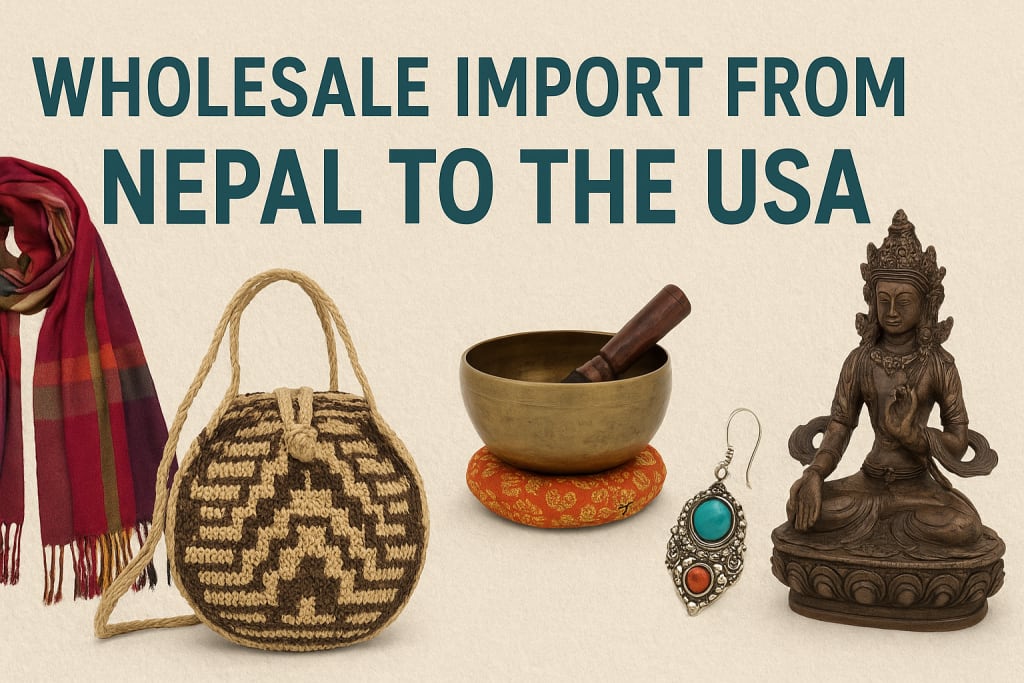
Nestled between China and India, Nepal has long been known for its breathtaking mountains and rich culture. But beyond tourism, this small Himalayan nation is quietly becoming a respected sourcing destination for unique, handcrafted, and eco-friendly products. U.S. buyers are increasingly turning to Nepali suppliers for wholesale imports that combine artistry, sustainability, and authenticity.
From handwoven pashmina to hemp bags and traditional jewelry, products made in Nepal carry a story — one that speaks of tradition, craftsmanship, and fair trade values. If you’re planning to import from Nepal to the USA, here’s everything you need to know about finding suppliers, managing logistics, and building a successful wholesale partnership.
1. Why Source from Nepal?
Authentic and Handmade Products
Nepal’s artisans are masters of their craft. Generations of skill are passed down through families who specialize in weaving, metalwork, wood carving, and more. Each product reflects cultural heritage and manual precision, something that mass-produced goods simply can’t replicate.
Sustainability and Fair Trade
Many Nepali producers operate under cooperative models that support local communities and women’s groups. Using natural materials like wool, hemp, bamboo, and handmade paper, these enterprises maintain ethical production standards that appeal to conscious consumers in the U.S.
Competitive Wholesale Pricing
Despite their artisanal nature, Nepali goods often come with affordable wholesale rates. Lower production costs allow U.S. importers to enjoy healthy profit margins while still offering customers genuine, handmade items.
2. Popular Nepali Products for the U.S. Market
Pashmina and Woolen Goods
Authentic Nepali pashmina is among the finest in the world. Soft, lightweight, and warm, it’s crafted from Himalayan mountain goat wool. Besides shawls and scarves, handmade woolen socks, gloves, and sweaters from regions like Mustang and Solukhumbu are increasingly popular among winter retailers in the United States.
Hemp and Cotton Bags
Nepal’s naturally grown hemp is a versatile material used to produce strong and eco-friendly bags. Backpacks, shoulder bags, and wallets made from hemp have become trendy in the U.S. for their rustic style and sustainability.
Handicrafts and Spiritual Décor
Wood-carved statues, metal singing bowls, prayer flags, and handmade paper décor items are some of the most exported Nepali crafts. These pieces are popular in yoga studios, meditation centers, and spiritual gift shops across North America.
Natural and Herbal Products
From Himalayan pink salt and herbal teas to handmade soaps and essential oils, Nepal offers a wide range of organic products. Many of these are produced by small-scale farmers and cooperatives following traditional methods.
Jewelry and Gemstones
Silver jewelry embedded with turquoise, coral, and lapis lazuli reflects Nepal’s ancient connection to Himalayan trade routes. These designs have strong appeal in the U.S. for their bohemian and ethnic charm.
3. How to Source Products from Nepal
Find Reliable Suppliers
Start by identifying trustworthy Nepali manufacturers or exporters. Trade directories, Nepal Chamber of Commerce listings, and global platforms often list verified suppliers. Visiting local markets such as Patan, Bhaktapur, or Thamel in Kathmandu can also help you connect directly with artisans.
Request Samples
Before placing bulk orders, always request product samples. It’s the best way to evaluate quality, materials, and craftsmanship before making a wholesale commitment.
Negotiate Terms Clearly
Discuss minimum order quantities, lead times, and payment methods in advance. Nepali suppliers are usually flexible and value long-term relationships, so transparent communication goes a long way.
Consider Cultural Nuances
Nepali business culture values patience, respect, and consistency. Building trust with suppliers often leads to better pricing, customization options, and smoother coordination in the long run.
4. Importing from Nepal to the USA
Required Documentation
For smooth customs clearance, make sure your shipment includes:
- Commercial Invoice
- Packing List
- Certificate of Origin
- Bill of Lading or Airway Bill
Depending on the product type, you may also need certifications for organic or herbal goods. Always confirm import requirements with your logistics partner before shipment.
Shipping Options
Nepal’s main export route is through the Birgunj dry port, which connects to India’s Kolkata port for sea freight. For smaller consignments or high-value goods, air freight via Tribhuvan International Airport in Kathmandu is faster.
Typical delivery times:
Air freight: around 7–10 days
Sea freight: 25–40 days (via India)
Customs and Tariffs
The United States offers duty preferences under the Generalized System of Preferences (GSP) for certain Nepali goods. Checking eligibility for this program can help you save significantly on import duties.
5. Building Long-Term Trade Relationships
The key to successful sourcing from Nepal lies in partnership. Many Nepali exporters are small-scale businesses that thrive on trust and consistency rather than one-time orders. By maintaining clear communication, offering feedback, and making repeat purchases, you can secure better prices and even customized designs tailored for the U.S. market.
Another effective approach is to visit Nepal once a year to attend trade fairs or meet suppliers personally. Events like the Handicraft Trade Fair in Kathmandu provide a great opportunity to discover new products and strengthen connections.
6. Quality Control and Product Standards
Maintaining consistent quality is essential when importing handmade products. Since most Nepali items are crafted manually, slight variations are common. To minimize issues:
- Set clear quality expectations before production
- Request photos or videos during manufacturing
- Consider hiring a third-party inspection service in Nepal
Packaging also matters. U.S. consumers appreciate eco-friendly, neat, and durable packaging that reflects the story and values behind the product.
7. Marketing Nepali Products in the U.S.
Buyers in the United States increasingly prefer products with cultural identity and sustainable origins. Highlighting the handcrafted nature and ethical sourcing of Nepali items adds emotional value. Storytelling — such as the background of artisans or the traditional methods used — can make your brand stand out both online and in retail stores.
If you sell on marketplaces like Amazon, Etsy, or Shopify, emphasize product authenticity, eco-friendliness, and craftsmanship in your descriptions. Clear photos showing texture and detailing can boost buyer confidence.
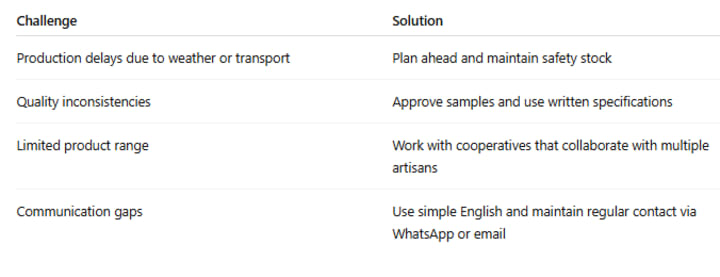
8. Common Challenges and Practical Solutions
9. The Impact of Choosing Nepal
Importing from Nepal is more than a business opportunity — it’s a contribution to preserving traditional skills and uplifting local communities. Every wholesale order supports families, encourages sustainable livelihoods, and keeps centuries-old artistry alive in modern commerce.
Many Nepali women’s cooperatives depend on export income for education, healthcare, and social welfare. By sourcing your products here, you’re participating in fair and meaningful global trade.
Conclusion: Bridging the Himalayas and the U.S. Market
Nepal offers something the modern world is rediscovering — authenticity. The products crafted here embody patience, tradition, and heart. For American importers, sourcing from Nepal means introducing customers to goods that tell a deeper story, one woven through the mountains, culture, and people of the Himalayas.
With careful supplier selection, consistent quality control, and long-term collaboration, importing from Nepal to the USA can grow into a rewarding and sustainable business. It’s not just about selling products — it’s about sharing a legacy of craftsmanship and connecting two worlds through trade built on trust, respect, and creativity.
About the Creator
The Missing Ingredient
The first time I saw her, she was wearing a velvety, red ribbon in her hair. She carried a small leather backpack everywhere. She searched the forest by turning stones, checking beneath shrubs, listening to the wind as if it might carry an answer.
By Imola Tóth5 days ago in Fiction


Comments
There are no comments for this story
Be the first to respond and start the conversation.