
How sculptures enhance visitor experience in outdoor attractions
Five reasons you will find

In recent years, outdoor attractions have increasingly incorporated sculptures into their spatial design to enrich environments and enhance the visitor experience. Rather than relying only on landscaping and directional signage, many scenic areas now use sculptures to create visual focal points, guide movement, and give spaces a clearer sense of identity.
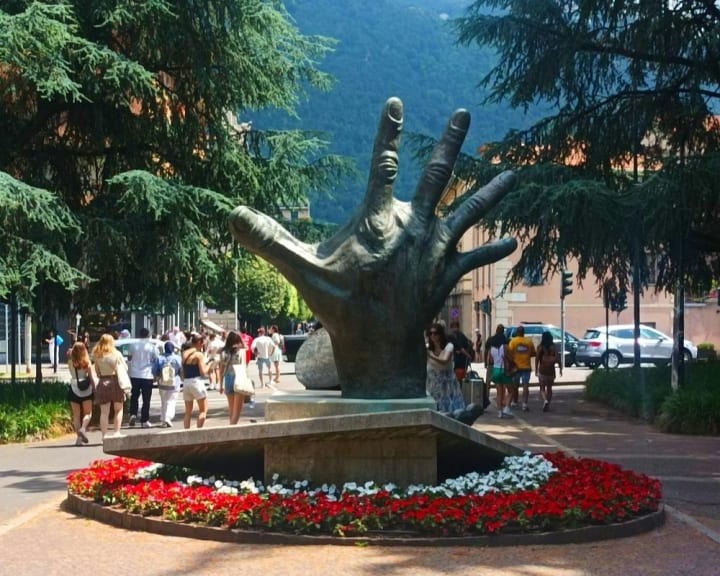
In many cases, sculptures are closely integrated with the overall theme of an attraction. They are not treated as isolated decorative objects, but as elements that reinforce atmosphere and narrative. Sculptures inspired by nature, animals, or local culture help shape the character of a place and make the environment feel more vivid. Through form, scale, and placement, these sculptures can subtly communicate ideas or stories connected to the site, allowing visitors to understand the space more intuitively.
Beyond their thematic role, sculptures also serve practical spatial functions. They naturally attract attention, making them useful as visual landmarks along walking routes. In large outdoor areas, sculptures can help visitors orient themselves and maintain interest as they move through different zones. By introducing variation and points of focus, sculptures prevent open spaces from feeling repetitive or monotonous.
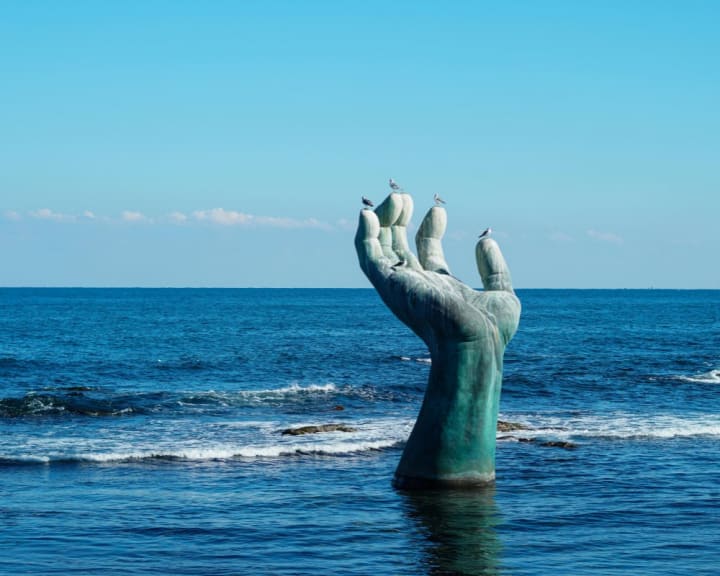
Sculptures also influence how visitors explore outdoor environments. In expansive parks or scenic areas, continuous natural scenery can sometimes feel uniform over time. Strategically placed sculptures create moments of surprise, encouraging visitors to pause, observe, and engage with their surroundings. These moments often motivate people to continue exploring, turning a simple walk into a more engaging and layered experience.
Interaction is another important aspect of outdoor sculptures. Visitors rarely experience them only from a distance. They walk around them, take photographs, touch surfaces, and use them as backgrounds for personal memories. Because of this, many sculptures become informal gathering points or photo spots. Images taken around sculptures are frequently shared online, extending the visibility of the attraction through visitor-generated content rather than deliberate promotion.
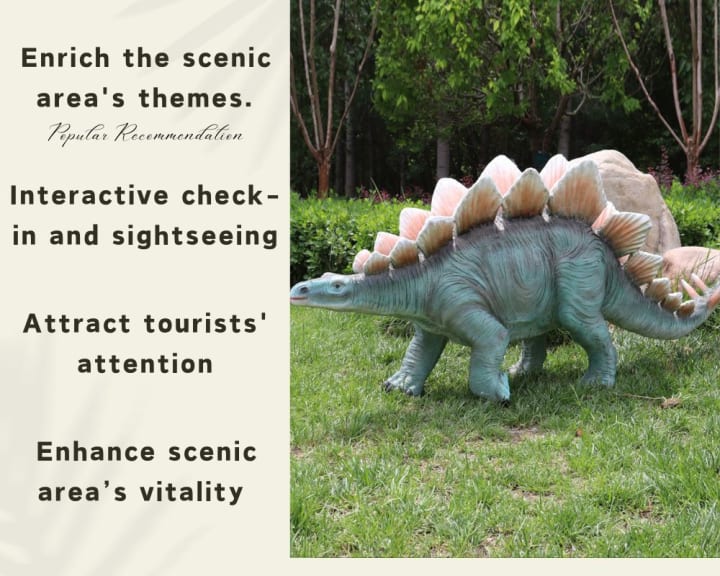
From a visual perspective, sculptures also add emotional depth to outdoor spaces. Open areas without sculptural elements may appear orderly but can feel empty or impersonal. Well-designed sculptures introduce character and mood. Whether abstract or figurative, they suggest that there is meaning embedded in the space, even if visitors do not consciously analyze the design.
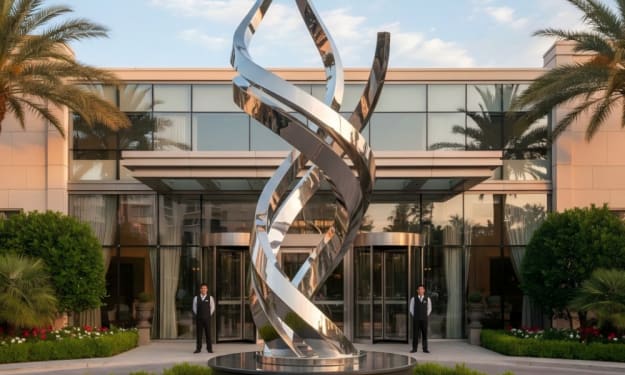
Material choice and durability play a significant role in how sculptures contribute to the visitor experience. Outdoor attractions are constantly exposed to weather conditions such as sunlight, rain, wind, and temperature changes. Sculptures that fade, crack, or deteriorate quickly can affect perceptions of maintenance and care. As a result, many attractions favor materials like fiberglass and stainless steel, which offer strong weather resistance and structural stability. Durable materials help sculptures retain their appearance over time, supporting a consistent and well-maintained environment.
Overall, sculptures in outdoor attractions function as more than decorative elements. They shape movement, enrich atmosphere, encourage interaction, and contribute to long-term spatial quality. Through thoughtful design, placement, and material selection, sculptures help transform outdoor attractions into environments that feel engaging, expressive, and memorable for visitors.
About the Creator
Shenzhen Ruiheng Crafts
https://www.craftsornaments.com/
Keep reading
More stories from Shenzhen Ruiheng Crafts and writers in Art and other communities.
Key considerations before customizing stainless steel sculpture
Custom stainless steel sculptures are widely used in public and commercial spaces due to their modern appearance, durable quality, and long lifespan. However, many problems with commissioned custom stainless steel sculptures only become apparent after installation. Understanding the sculpture's purpose, selecting appropriate materials and structure, and planning installation and maintenance in advance can significantly reduce project risks.
By Shenzhen Ruiheng Crafts4 days ago in Art
Nighthawks Urban isolation
Nighthawks by Edward Hopper in 1942 is truly one of my favourite paintings of all time. My interpretation of this iconic painting is accurate. Another interpretation of my own is that these people are lost souls and Nighthawks an seemingly unassuming diner is actually purgatory. This painting gives me chills because it’s about isolation in an urban area or rural area you can be isolated anywhere. This artistic triumph holds relevance in today’s world due to our cell phones and social media. Nighthawks is a work of fine art and there is no question about that and Edward Hopper created a masterpiece.
By Revista Miko3 days ago in Art
When health insurance costs more than the mortgage
For millions of households, the monthly mortgage payment has long been considered the single biggest expense. Yet an uncomfortable shift is underway: in many families, health insurance premiums now rival—or even exceed—the cost of owning a home. This phenomenon is reshaping personal finances, altering career decisions, and raising urgent questions about the sustainability of modern healthcare systems.
By Sain Hafizabout 7 hours ago in Art


Comments
There are no comments for this story
Be the first to respond and start the conversation.