
Record 6,000 Sailors Abandoned in 2025, Mostly by Shadow Fleets
A hidden maritime crisis exposes exploitation, weak regulation, and the human cost of global shipping

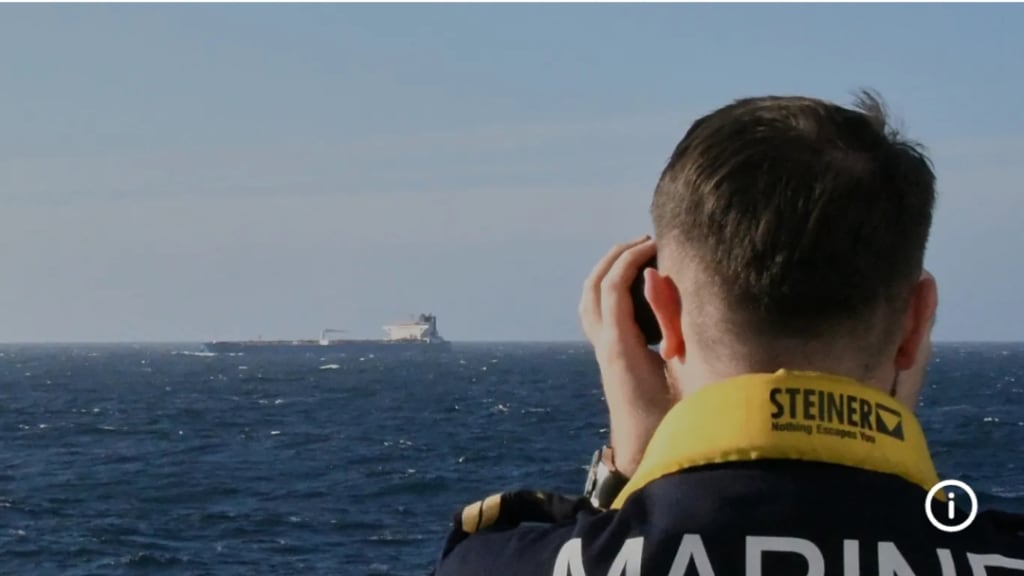
The global shipping industry, often described as the backbone of international trade, is facing a growing humanitarian crisis. In 2025, a record 6,000 sailors were officially reported as abandoned at sea or in foreign ports, according to maritime welfare organizations. Most of these cases were linked to so-called “shadow fleets,” a loosely regulated network of vessels operating beyond the reach of conventional oversight. The figures highlight a dark side of global commerce—one where profits are prioritized over people, and seafarers are left stranded, unpaid, and forgotten.
---
What Does “Abandonment” Mean in Shipping?
In maritime terms, abandonment occurs when a shipowner fails to fulfill basic legal obligations to their crew. This typically includes non-payment of wages for months, lack of food and medical care, expired contracts, and the refusal to repatriate sailors to their home countries.
Abandoned seafarers often remain stuck on vessels in foreign ports, unable to disembark due to immigration restrictions or unpaid port fees. In many cases, crews survive on charity, relying on local volunteers and maritime unions for food and support.
---
The Rise of Shadow Fleets
The surge in abandonment cases in 2025 is closely tied to the expansion of shadow fleets. These vessels operate under opaque ownership structures, frequently change flags, and often sail under flags of convenience with weak enforcement mechanisms.
Shadow fleets are commonly used to bypass sanctions, transport oil and goods covertly, or reduce operational costs by avoiding safety and labor regulations. While they play a growing role in global trade, they also create an environment where accountability is almost nonexistent.
When a ship is detained, sanctioned, or no longer profitable, owners can simply walk away—leaving the crew behind with no wages, no legal recourse, and no clear path home.
---
Who Are the Affected Sailors?
The majority of abandoned sailors come from developing countries where maritime jobs are seen as a lifeline for families. Seafarers from South and Southeast Asia, Eastern Europe, and parts of Africa are disproportionately affected.
For many, months of unpaid wages mean mounting debt at home. Families who depend on remittances face financial hardship, while sailors themselves endure mental health struggles, isolation, and uncertainty. In extreme cases, abandoned crews have reported malnutrition, untreated illnesses, and suicidal thoughts.
---
Why 2025 Became a Record Year
Several global factors converged to make 2025 the worst year on record for seafarer abandonment. Economic pressures in the shipping sector increased operating costs, while tighter sanctions regimes complicated trade routes and vessel financing.
At the same time, enforcement gaps widened. Port states often lack the authority—or the willingness—to detain owners or provide immediate relief to crews. Legal disputes over ownership and responsibility can drag on for months or years, during which sailors remain trapped.
The rapid growth of shadow fleets amplified these vulnerabilities, creating a perfect storm for exploitation.
---
The Role of International Organizations
Maritime welfare organizations and international bodies have stepped in where governments and shipowners have failed. Groups provide emergency food, legal assistance, and financial support to stranded sailors, often coordinating with embassies to arrange repatriation.
However, these efforts are largely reactive. While they alleviate immediate suffering, they do little to address the structural issues that allow abandonment to continue unchecked.
International maritime conventions already exist to protect seafarers’ rights, but enforcement remains inconsistent—especially when vessels operate in legal gray zones.
---
A Crisis Hidden From Public View
Unlike high-profile labor disputes on land, seafarer abandonment often goes unnoticed. Ships are out of sight, and crews have limited access to media or legal representation. As a result, the human cost of global shipping remains largely invisible to consumers who rely daily on goods transported by sea.
Every abandoned sailor represents not just a labor failure, but a moral one. The global economy depends on seafarers, yet their welfare is frequently treated as an afterthought.
---
What Can Be Done?
Experts argue that solving the abandonment crisis requires stronger international cooperation. This includes tighter regulation of vessel ownership, greater transparency in shipping registries, and harsher penalties for owners who abandon crews.
Port states could play a more active role by denying entry to repeat offenders and ensuring that ships entering their waters meet labor standards. Financial institutions and insurers also have leverage, as they can refuse coverage to operators linked to abandonment cases.
---
Final Thoughts
The record 6,000 sailors abandoned in 2025 is a stark reminder that behind global trade statistics are real people facing real suffering. Shadow fleets may operate in the margins of legality, but their impact is painfully human.
Unless accountability improves and enforcement becomes more robust, abandonment will remain a recurring tragedy—one that undermines not only seafarers’ rights, but the integrity of the global shipping industry itself.
About the Creator
Keep reading
More stories from Salaar Jamali and writers in Art and other communities.
Etihad Rail Tests UAE’s First Magnetic Levitation Rail in the Middle East: A New Era for Transport Innovation
Dubai, UAE — January 28, 2026 — In a historic leap for transportation technology in the Middle East, Etihad Rail has successfully tested the UAE’s first magnetic levitation (maglev) rail system, marking a major milestone in the nation’s efforts to revolutionize rail travel and logistics. This groundbreaking initiative, developed in partnership with Italian engineering firm IronLev, blends cutting‑edge innovation with sustainability, promising quieter, faster, and more energy‑efficient rail operations.
By Salaar Jamali5 days ago in Art
An Unusual Bond
It is often said that only brave people make life-changing decisions, and Tariq was one of them. Elders say that marriages are made in the heavens; I had heard this many times, but when curiosity turned into reality, my eyes were truly opened. We are all subject to divine will—every particle in the universe moves by God’s command.
By Sudais Zakwana day ago in Art




Comments
There are no comments for this story
Be the first to respond and start the conversation.