
The Power of Art: Unveiling Creativity, Expression, and Connection
Art, a universal language that transcends borders, cultures, and time, holds a profound influence on human society.


Art, a universal language that transcends borders, cultures, and time, holds a profound influence on human society. It's a dynamic means of expression that embodies the depths of human imagination, emotions, and perspectives. From ancient cave paintings to modern digital masterpieces, art has evolved, adapted, and persisted, serving as a reflection of society, a channel for emotions, and a bridge that connects people across generations. In this article, we delve into the multifaceted nature of art, exploring its history, its diverse forms, and its undeniable impact on individuals and communities.
The Historical Odyssey of Art
The journey of art spans millennia, offering insights into the evolution of human consciousness and creativity. Ancient civilizations adorned cave walls with intricate paintings, leaving behind visual records of their lives, beliefs, and cultural practices. The Renaissance period brought forth a rebirth of art, marked by a renewed focus on realism, perspective, and the human form. In the modern era, art transformed further with the advent of photography, abstraction, and conceptual art, challenging conventional norms and pushing the boundaries of artistic expression.
Throughout history, art has been intertwined with societal shifts and revolutions. It has documented historical events, conveyed political messages, and provided a voice to marginalized communities. The iconic "Guernica" by Pablo Picasso, a powerful representation of the horrors of war, stands as a testament to the capacity of art to highlight the human experience and stir social change.
Diverse Forms of Art
Art is a diverse realm, encompassing various mediums, styles, and forms. From the canvas to the sculpture, from the written word to the performing arts, each form has its unique way of conveying emotions, ideas, and stories.
1. Visual Arts: Paintings, drawings, sculptures, and photography form the backbone of visual arts. They capture moments in time, freeze emotions, and transport viewers into the artist's perspective.
2. Literature: Written words have the power to evoke imagination, empathy, and contemplation. Novels, poetry, and essays delve into the human psyche, addressing profound themes and reflecting on the human condition.
3. Performing Arts: Dance, theater, music, and film are performing arts that combine visual and auditory elements to create immersive experiences. They engage both the senses and emotions, enabling artists to communicate stories and emotions in a captivating manner.
4. Digital Art: The digital age has birthed a new realm of art, where technology and creativity intersect. Digital artists use software, animation, and virtual reality to craft innovative pieces that challenge traditional notions of art.
5. Street Art: Graffiti, murals, and street installations transform public spaces into canvases. Street art often carries socio-political messages, sparking conversations and engaging with the community on a larger scale.
Art as a Mirror of Society
Art serves as a mirror reflecting the nuances of society, shedding light on both its beauty and its flaws. It captures the zeitgeist of a particular era, preserving a snapshot of cultural norms, social values, and prevailing ideologies. During times of social change, artists often lead the way, using their creations to address inequalities, question authority, and ignite conversations that drive progress.
The feminist art movement of the 1960s and 1970s, for instance, challenged the male-dominated art world and critiqued traditional gender roles. Artists like Judy Chicago and the Guerrilla Girls used their work to highlight gender disparities and advocate for equal representation in the arts.
Art as Emotional and Therapeutic Outlet
For both creators and consumers, art offers an emotional and therapeutic outlet. Creating art provides individuals with a means to process their emotions, channel their thoughts, and find solace in creativity. The act of creation becomes a form of self-expression and self-discovery, allowing artists to communicate what words cannot convey.
On the receiving end, engaging with art can evoke powerful emotions and resonate deeply within individuals. A painting, a piece of music, or a poem has the potential to transport individuals to different emotional landscapes, offering catharsis, inspiration, and comfort.
Art's Role in Connecting Humanity
Art possesses the remarkable ability to connect people across time, space, and cultures. Museums, galleries, and cultural institutions showcase diverse artworks, fostering a sense of shared humanity. The art of different eras and regions serves as a bridge, allowing individuals to glimpse into the lives and perspectives of those who came before them.
In an increasingly globalized world, the internet has expanded the reach of art, enabling artists to share their work with audiences around the globe. Social media platforms and online galleries facilitate the democratization of art, making it accessible to people who might not have had the opportunity to experience it otherwise.
Conclusion: Celebrating Creativity and Connection
Art is a testament to the boundless potential of human imagination and creativity. Its impact goes beyond aesthetics; it shapes societies, influences emotions, and connects people in profound ways. As we continue to navigate an ever-changing world, art remains a guiding light, illuminating our shared experiences, inspiring change, and uniting us through the threads of creativity and expression. Whether on canvas, in a melody, or through a dance, art reminds us of the beauty that lies in the intricate tapestry of the human experience.
About the Creator
Angelu Guardian
Crafting worlds, one word at a time. 📚✨ Article writer exploring diverse topics with a curious mind. Let's dive into the art of storytelling! 🌍🖋️ #WriterLife #Wordsmith
Keep reading
More stories from Angelu Guardian and writers in Art and other communities.
Urban Canvas: Exploring the Vibrant World of Street Art
Introduction Street art, a dynamic and captivating form of artistic expression, has transformed urban landscapes into sprawling galleries that captivate the eyes and minds of passersby. Far beyond mere graffiti, street art is a testament to the power of creativity, bridging the gap between public spaces and the realm of imagination. In this article, we embark on a journey through the colorful and thought-provoking world of street art, exploring its origins, impact, and the messages it conveys.
By Angelu Guardian2 years ago in Art
The Painter Who Chose Silence
Noah was not a famous painter. In fact, very few people knew his name. He lived in a small rented room with white walls and a single window that faced an old street. His days were quiet, almost invisible. But inside that silence, Noah carried a deep love for art.
By Sudais Zakwana day ago in Art
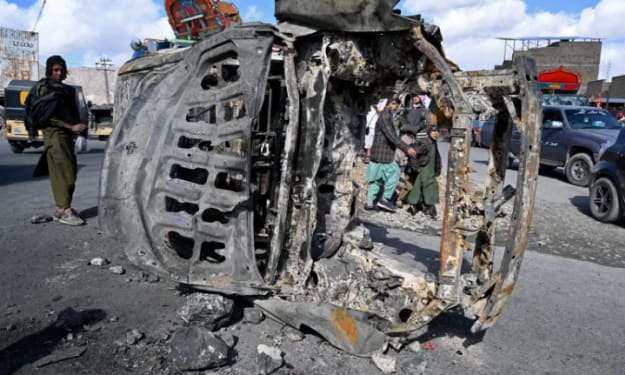
Pakistan deploys helicopters, drones to end standoff with Baloch rebels
Pakistan Deploys Helicopters, Drones to End Standoff With Baloch Rebels Pakistan’s security forces have intensified operations in Balochistan by deploying helicopters and surveillance drones to break a prolonged standoff with Baloch rebel groups, underscoring the growing complexity of internal security challenges in the country’s largest and most volatile province. The move reflects Islamabad’s determination to restore control while balancing military pressure with political and social sensitivities in a region long marked by unrest.
By Sain Hafiz5 days ago in Art


Comments
There are no comments for this story
Be the first to respond and start the conversation.