Fiaz Ahmed
Bio
I am Fiaz Ahmed. I am a passionate writer. I love covering trending topics and breaking news. With a sharp eye for what’s happening around the world, and crafts timely and engaging stories that keep readers informed and updated.
Stories (1146)
Filter by community
Why China Is Building So Many Coal Plants Despite Its Solar and Wind Boom. AI-Generated.
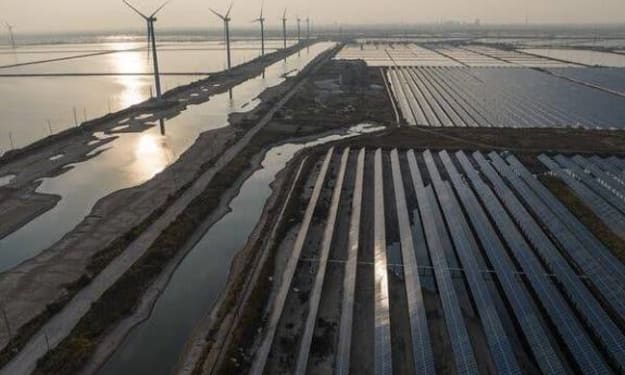
China is leading the world in renewable energy deployment, installing record levels of solar panels and wind turbines each year. Yet at the same time, it is also approving and constructing new coal-fired power plants at a pace unmatched by any other country. This apparent contradiction has puzzled climate experts and policymakers alike. How can the world’s largest producer of clean energy also remain its biggest builder of coal plants?
By Fiaz Ahmed 17 days ago in The Swamp
Pakistan Faces Crunch as Demand for China-Developed Jets Surges. AI-Generated.
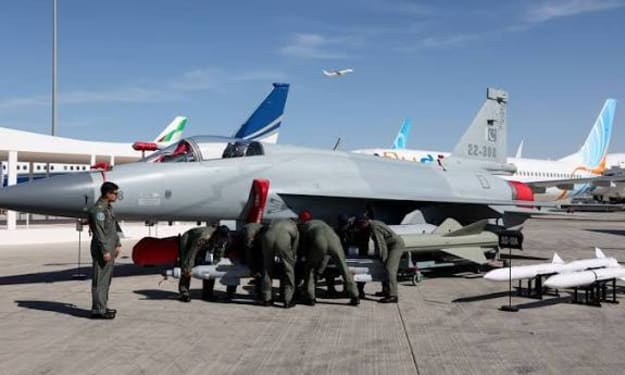
Pakistan is facing a growing strategic and industrial challenge as international demand rises for fighter jets jointly developed with China, particularly the JF-17 Thunder and interest surrounding China’s newer J-10C aircraft. While the surge in demand reflects the success of Pakistan’s defense collaboration with Beijing, it is also straining the country’s production capacity, finances, and military planning at a time when Islamabad is grappling with economic pressures and regional security concerns. The situation places Pakistan in a difficult position: balancing export opportunities that generate foreign revenue with the urgent need to modernize its own air force. A Defense Partnership Bearing Fruit The JF-17 Thunder, co-developed by Pakistan Aeronautical Complex (PAC) and China’s Chengdu Aircraft Industry Group, has become one of Pakistan’s most visible defense exports. Designed as a cost-effective, multi-role fighter jet, the aircraft appeals to countries that cannot afford Western platforms such as the F-16 or Eurofighter. In recent years, several nations in Africa, the Middle East, and Southeast Asia have expressed interest or signed contracts for the JF-17. Some countries view the jet as a practical solution to upgrade aging fleets while avoiding political restrictions tied to Western arms sales. China’s J-10C, though more advanced, has also drawn attention after Pakistan inducted it into its own air force to counter India’s Rafale fighters. Its reported performance and lower cost compared to Western equivalents have added to its global appeal. Export Success Meets Domestic Strain While export orders bring prestige and revenue, they also create pressure on Pakistan’s defense industry. PAC Kamra, the main production facility for the JF-17, has limited manufacturing capacity and must divide output between domestic needs and international contracts. Pakistan’s Air Force (PAF) is in the midst of modernizing its fleet to replace aging Mirage and older F-16 aircraft. Delays in domestic deliveries could weaken Pakistan’s air defense readiness at a time when tensions with India remain high. Military analysts warn that prioritizing exports over local procurement could create a short-term capability gap. At the same time, rejecting foreign buyers risks losing valuable income and diplomatic influence. Economic Pressures Complicate Decisions Pakistan’s fragile economy adds another layer of complexity. The country continues to struggle with high inflation, foreign debt, and reliance on International Monetary Fund support. Defense exports offer much-needed foreign exchange earnings, but expanding production requires upfront investment in technology, skilled labor, and infrastructure. Building additional assembly lines or upgrading existing ones demands resources Pakistan does not easily have. Chinese financing and technical assistance may help, but that also deepens Islamabad’s dependence on Beijing, which already dominates Pakistan’s defense imports. Some economists argue that defense exports could become a niche growth sector for Pakistan if managed wisely. Others caution that the opportunity cost is high when public spending is needed for health, education, and energy security. Regional and Global Implications The rising demand for Chinese-developed jets has broader geopolitical consequences. Countries purchasing these aircraft often do so to avoid Western sanctions or political conditions, strengthening China’s influence in their military sectors. Pakistan, as a co-producer, benefits diplomatically from these relationships. Selling jets can build long-term defense ties through training, maintenance, and spare-parts agreements. This expands Pakistan’s footprint in regions where it previously had little strategic presence. However, the shift also puts Pakistan in competition with traditional arms exporters such as Russia and European manufacturers. It places Islamabad within China’s expanding defense export network, which some Western governments view with concern. Technology and Capability Questions Despite their popularity, the jets face scrutiny over their technological sophistication. Critics argue that while affordable, the aircraft may lag behind Western platforms in stealth, avionics integration, and engine performance. Pakistan has sought to address these concerns by upgrading the JF-17 with better radar systems, Chinese missiles, and modern cockpit displays. Continuous improvement is necessary to keep the jet competitive in a rapidly evolving market. Yet each upgrade adds cost and complexity, further stretching Pakistan’s production capabilities. Balancing National Security and Commerce For Pakistan’s military leadership, the dilemma is starkStart writing...
By Fiaz Ahmed 17 days ago in The Swamp
UAE Rolls Over $2 Billion of Pakistan’s Debt for One Month at 6.5% Interest Rate: Report. AI-Generated.
Pakistan has received temporary financial relief after the United Arab Emirates agreed to roll over $2 billion of its existing debt for one month at an interest rate of 6.5 percent, according to media reports and government sources. The short-term rollover comes at a critical moment for Islamabad as it struggles to stabilize its fragile economy, manage foreign exchange reserves, and meet ongoing obligations under its reform program with the International Monetary Fund (IMF). The decision underscores Pakistan’s continued reliance on friendly Gulf states for emergency financial support and highlights the urgency of its balance-of-payments crisis. A Short-Term Lifeline The debt rollover means that Pakistan will not need to repay the $2 billion immediately, allowing it to retain the funds in its central bank reserves for another month. While the extension is brief, it provides breathing space as Pakistan negotiates further assistance from international lenders and attempts to shore up investor confidence. Officials familiar with the matter said the interest rate of 6.5 percent reflects tighter global financial conditions and Pakistan’s weakened credit profile. Unlike earlier years when Pakistan received low-interest or interest-free deposits from allies, recent rollovers have come with higher costs, reflecting growing caution among lenders. The funds are part of deposits placed by the UAE at the State Bank of Pakistan, which are counted as part of the country’s foreign exchange reserves. Economic Pressures Mount Pakistan’s economy remains under severe strain due to high inflation, heavy external debt repayments, and sluggish export growth. Foreign exchange reserves have hovered at precarious levels, often covering only a few weeks of imports. Any delay in repayment obligations can help avoid immediate default risks but does little to resolve deeper structural problems. The country is currently implementing tough fiscal measures required by the IMF, including reducing energy subsidies, increasing taxes, and allowing market-based currency rates. These policies have triggered public dissatisfaction and raised the cost of living, particularly for low-income households. The rollover from the UAE is seen as a stopgap measure to help Pakistan meet short-term financing needs while continuing negotiations with multilateral lenders. Strategic Ties with the UAE Pakistan and the UAE have long maintained close political and economic ties. Millions of Pakistani workers live in the UAE, sending billions of dollars in remittances back home each year. Abu Dhabi has repeatedly stepped in with deposits, loans, and investments during Pakistan’s financial emergencies. In recent years, however, Gulf support has become more conditional and commercially oriented. Financial assistance is increasingly tied to economic reforms, investment opportunities, and interest-bearing terms rather than unconditional bailouts. Analysts say the one-month rollover reflects both goodwill and caution. The UAE is willing to help Pakistan avoid an immediate crisis but is hesitant to extend longer-term relief without assurances of economic stability and reform. Debt Burden and IMF Dependence Pakistan’s total external debt exceeds $125 billion, with significant repayments due in the coming months. The government faces pressure to roll over or refinance loans from friendly countries such as China, Saudi Arabia, and the UAE to avoid draining reserves. The IMF program remains central to Pakistan’s survival strategy. Continued IMF support is necessary to unlock additional funds from the World Bank, Asian Development Bank, and bilateral partners. Any delay or breakdown in IMF negotiations could sharply worsen Pakistan’s financial outlook. Economists warn that repeated short-term rollovers only postpone the problem. Without stronger exports, higher foreign investment, and improved tax collection, Pakistan will remain dependent on emergency funding. Market Reaction and Investor Confidence News of the UAE rollover provided limited reassurance to financial markets. While it eased immediate default concerns, investors remain wary of Pakistan’s ability to meet long-term obligations. Bond yields remain high, reflecting doubts about sustainability. Currency traders are watching closely to see whether further rollovers or new deposits are secured from friendly countries. Even modest inflows can help stabilize the rupee and slow inflationary pressures. However, business leaders argue that temporary relief must be accompanied by policy consistency and political stability. Frequent government changes and policy reversals have historically undermined Pakistan’s economic recovery efforts. Political and Social Impact The debt rollover also carries political implications. The government can present the agreement as evidence of international confidence and diplomatic success. Yet critics argue that relying on one-month extensions exposes the weakness of Pakistan’s financial position. Ordinary citizens feel the consequences of the crisis through rising fuel prices, electricity bills, and food inflation. Public patience is wearing thin as austerity measures continue under IMF supervision. Opposition parties have accused the government of mismanaging the economy and becoming overly dependent on foreign creditors. The leadership, in turn, insists that painful reforms are necessary to avoid a deeper collapse. Looking Ahead The one-month rollover from the UAE buys Pakistan time—but little more. Officials must now secure longer-term financing solutions and demonstrate progress on economic reforms. Talks with other lenders, including China and Saudi Arabia, are expected to intensify in the coming weeks. Analysts say Pakistan’s long-term recovery depends on expanding exports, attracting foreign direct investment, and broadening the tax base. Without these changes, emergency rollovers will remain a recurring feature of its financial strategy. Conclusion The UAE’s decision to roll over $2 billion of Pakistan’s debt at a 6.5 percent interest rate provides short-term relief but underscores the fragile state of Pakistan’s economy. While it helps stabilize reserves and avert immediate pressure, it does not address the underlying challenges of debt dependence and weak growth. For Pakistan, the next month will be critical. Whether it can turn temporary support into lasting stability will depend on reforms, international cooperation, and political will to confront deep-rooted economic problems.
By Fiaz Ahmed 17 days ago in The Swamp
Iran’s President Orders Team to Open Fresh Talks With U.S.. AI-Generated.
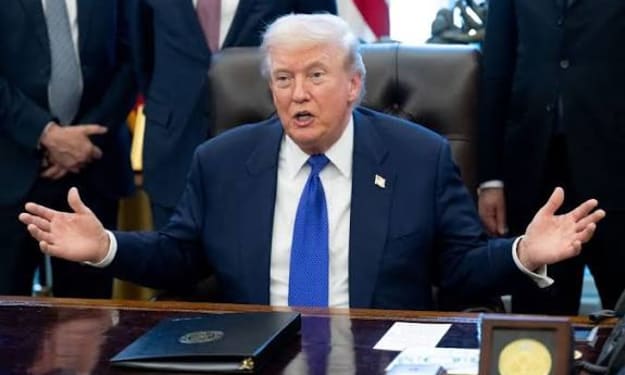
In a notable shift in Iran’s diplomatic posture, President Masoud Pezeshkian has ordered his government to prepare for fresh negotiations with the United States — a move that could mark a tentative step toward easing one of the world’s most prolonged geopolitical confrontations. The announcement, made on social media and confirmed by multiple news agencies, comes amid escalating regional tensions, ongoing nuclear concerns, and sustained pressure from both regional partners and Washington to find a peaceful path forward after years of stalemate.Pezeshkian’s directive instructs Iran’s Foreign Minister Abbas Araghchi to explore conditions for “fair and equitable” negotiations with the United States — a phrase he emphasized must occur “within the framework of our national interests” and in an environment free of threats or “unreasonable expectations.” A Diplomatic Opening After High Tensions The call for fresh talks comes against the backdrop of months of severe tensions between Tehran and Washington. Earlier, U.S. President Donald Trump had warned that “bad things could happen” if a diplomatic agreement was not reached, even as Washington maintained a significant military presence in the region with warships and aircraft carriers on alert.
By Fiaz Ahmed 17 days ago in The Swamp
Destroyer USS Truxtun to Deploy as Navy Maintains Warship Build-Up in Southern and Central Commands. AI-Generated.
The U.S. Navy has confirmed that the guided-missile destroyer USS Truxtun (DDG-103) will deploy to operational waters under U.S. Southern Command and Central Command as part of a continued buildup of naval forces in strategically sensitive regions. The deployment reflects Washington’s determination to maintain a strong maritime presence amid rising geopolitical tensions, threats to commercial shipping, and growing concerns over regional instability in both the Middle East and the Western Hemisphere. USS Truxtun, an Arleigh Burke–class destroyer, departed following weeks of training and readiness exercises designed to prepare its crew for complex missions ranging from missile defense to maritime security operations. Navy officials say the ship’s assignment will involve patrols, joint exercises with allied navies, and rapid-response readiness in case of emerging threats. Strengthening Maritime Security A central mission of the deployment is the protection of vital sea lanes. Over the past year, shipping routes in the Red Sea, Persian Gulf, and Caribbean have faced increased risks from missile attacks, drone threats, piracy, and illegal trafficking. These routes remain essential for global trade and energy supply, making naval security a top priority for U.S. defense planners. The Truxtun is equipped with the Aegis Combat System, advanced radar arrays, and a wide range of defensive and offensive weapons. This capability allows it to detect and intercept airborne threats, track surface vessels, and coordinate operations with allied forces. Its presence is expected to strengthen deterrence while reassuring commercial shipping companies and regional partners. Pentagon officials have emphasized that the mission is defensive in nature and intended to prevent escalation rather than provoke conflict. However, the deployment also sends a message that the United States is prepared to defend freedom of navigation and respond to threats against international commerce. Dual Focus: Southern and Central Commands The Truxtun’s mission spans two major areas of responsibility. In the Southern Command region, which includes the Caribbean, Central America, and parts of South America, U.S. naval forces focus on counter-narcotics operations, illegal fishing, and transnational crime. The destroyer is expected to participate in cooperative exercises with partner nations aimed at improving maritime surveillance and regional stability. These operations have gained importance as rival powers seek to expand their influence in Latin America through military and economic engagement. Maintaining a visible naval presence allows the U.S. to reinforce longstanding partnerships and demonstrate its commitment to regional security. In the Central Command area, the Truxtun will operate in a far more volatile environment. Tensions involving Iran, regional militias, and ongoing conflicts have raised the risk of attacks on U.S. bases and commercial vessels. Recent missile launches and drone strikes in the region have increased the demand for ships capable of air and missile defense. The Truxtun’s advanced sensors and intercept systems make it a key asset in protecting allied infrastructure and supporting coalition operations. Deterrence and Strategic Messaging Beyond its operational role, the deployment carries significant strategic symbolism. By increasing the number of warships in sensitive regions, the Navy signals its readiness to respond to crises without committing large ground forces. Naval power provides flexibility, allowing the U.S. to project strength while retaining the ability to de-escalate when conditions improve. Military analysts say such deployments also help deter hostile actors who may calculate that U.S. attention is focused elsewhere. With competing priorities in Europe and the Indo-Pacific, maintaining a consistent presence in the Middle East and Caribbean shows that these regions remain central to U.S. security planning. The Human Dimension For the sailors aboard USS Truxtun, the deployment represents months of demanding service far from home. Crew members will conduct daily patrols, training drills, and joint exercises under challenging conditions. Navy leadership has acknowledged that sustained deployments can strain morale and equipment but insists that readiness remains essential. The destroyer’s crew includes specialists in navigation, engineering, missile systems, and cybersecurity, reflecting the complexity of modern naval warfare. Maintaining peak performance requires constant training and coordination, especially in high-risk environments. Broader Naval Strategy The Truxtun deployment fits into a larger Navy strategy of rotating ships through critical regions rather than maintaining permanent forward basing. This approach allows for flexibility and prevents adversaries from predicting U.S. movements too easily. At the same time, the Navy faces challenges of aging ships, budget constraints, and growing global commitments. Balancing operations across Europe, Asia, and the Middle East has placed pressure on fleet resources. Officials argue that deployments like Truxtun’s are necessary to uphold stability even as modernization efforts continue. Global Implications International observers see the buildup as a response to a more uncertain world order. Disruptions to shipping lanes, energy markets, and regional security can have far-reaching economic consequences. By reinforcing its naval presence, the U.S. aims to limit these disruptions and maintain confidence among allies. However, critics warn that increased militarization also carries risks of miscalculation. Close encounters between rival naval forces could escalate quickly if not carefully managed. Diplomacy and military restraint remain crucial alongside deterrence. Conclusion The deployment of USS Truxtun highlights the U.S. Navy’s commitment to maintaining stability across key maritime regions under Southern and Central Commands. With threats ranging from piracy and trafficking to missile and drone attacks, the destroyer’s mission underscores the continuing importance of naval power in global security. As geopolitical tensions persist, the Truxtun’s presence will serve both as a shield for international commerce and as a symbol of U.S. resolve. Whether acting in defense, deterrence, or cooperation with allies, the destroyer’s deployment reflects a broader strategy aimed at preventing conflict while preserving freedom of the seas.
By Fiaz Ahmed 17 days ago in The Swamp
How Thailand Became the ‘Sick Man’ of Asia. AI-Generated.
Once celebrated as one of Southeast Asia’s fastest-growing economies, Thailand is increasingly being described by analysts as the region’s “sick man” — a term historically used to describe nations struggling with stagnation, political instability, and structural weaknesses. While neighboring countries like Vietnam, Indonesia, and the Philippines surge ahead with growth and reform, Thailand finds itself weighed down by aging demographics, political uncertainty, and a faltering economic engine. The label does not reflect a single crisis but rather a convergence of long-term problems that have left the kingdom vulnerable in an era of rapid regional transformation. Economic Growth Slows to a Crawl Thailand’s economy once symbolized the “Asian miracle.” In the decades following the 1997 Asian financial crisis, it rebuilt itself through exports, manufacturing, and tourism. Yet in recent years, growth has lagged behind most of Southeast Asia. While Vietnam and Malaysia record annual GDP growth rates above 5 percent, Thailand struggles to reach even half that figure. Productivity has stagnated, and investment has slowed as global companies seek more dynamic markets with younger workforces and clearer policy direction. Tourism, long a pillar of the Thai economy, remains fragile after the pandemic. Although visitor numbers have improved, they have not fully returned to pre-COVID levels, and spending per tourist has dropped, leaving many businesses operating below capacity. Political Instability and Policy Paralysis Thailand’s repeated cycles of military coups, fragile coalitions, and contested elections have created an environment of uncertainty that discourages long-term planning. Since 2006, the country has experienced multiple changes in government through both elections and military intervention. Political polarization has made it difficult to pass meaningful reforms on taxation, education, and labor markets. Investors fear abrupt policy shifts, while domestic confidence weakens as households see little improvement in living standards. Even when reform-minded leaders emerge, their ability to govern effectively is constrained by constitutional rules and entrenched power structures. This has led to a sense of stagnation and public frustration, especially among younger generations. Demographics: An Aging Society Without Preparation Thailand is aging faster than almost any other country in Southeast Asia. Birth rates have fallen sharply, and the population is expected to shrink within the next decade. This creates a shrinking workforce and rising healthcare and pension costs. Unlike wealthier nations such as Japan or South Korea, Thailand lacks the fiscal resources to manage the transition smoothly. Many older citizens have limited savings and rely on informal family support systems that are themselves weakening. A smaller labor force also reduces Thailand’s appeal to multinational manufacturers seeking scale and productivity. Without immigration reform or major automation investment, economic momentum is likely to slow further. Education and Innovation Gaps Thailand’s education system has struggled to adapt to a digital and knowledge-based economy. While the country produces large numbers of graduates, employers frequently complain of skill mismatches, particularly in science, engineering, and technology fields. Innovation remains limited compared with regional competitors. Research spending is low, and start-up ecosystems remain underdeveloped. This leaves Thailand vulnerable to being stuck in the “middle-income trap,” unable to compete either on low wages or on high-tech sophistication. Meanwhile, neighboring Vietnam has aggressively invested in industrial parks, tech training, and foreign partnerships, positioning itself as a manufacturing and innovation hub. Household Debt and Inequality Another major burden is household debt, which has risen to among the highest levels in Asia relative to income. Millions of families rely on credit to cover basic living costs, making them highly sensitive to interest rate increases and economic shocks. Inequality between urban and rural regions has widened. Bangkok and tourist centers benefit from investment and infrastructure, while rural provinces face job shortages and declining services. This fuels migration to cities and deepens social divides. Economic vulnerability feeds political unrest, creating a cycle where instability undermines growth and weak growth worsens social tensions. Climate and Environmental Risks Thailand is also exposed to climate-related threats. Floods, droughts, and rising temperatures damage agriculture and infrastructure. Rice farmers, who form a large part of the rural economy, face unpredictable harvests and shrinking profits. Environmental stress further strains public finances and adds to the perception that Thailand’s development model is outdated and unsustainable. Regional Comparison: Falling Behind Neighbors The contrast with other Southeast Asian nations is striking. Vietnam attracts record foreign investment. Indonesia is developing its green energy and nickel processing industries. The Philippines benefits from a young population and booming services sector. Thailand, by comparison, appears cautious and inward-looking. Its heavy reliance on tourism and automobiles leaves it vulnerable to global downturns and technological disruption. International observers increasingly describe Thailand as the weakest link among Asia’s emerging economies — not because it lacks resources, but because it has failed to adapt quickly enough. Is Recovery Possible? Despite its problems, Thailand retains significant strengths: strategic location, strong infrastructure, cultural influence, and a skilled middle class. Analysts argue that decisive reforms could reverse the decline. Key priorities include: Education reform focused on technology and innovation Political stability and transparent governance Immigration and labor policy modernization Investment in green energy and advanced manufacturing Without these steps, Thailand risks long-term decline in regional influence and prosperity. Conclusion Thailand’s reputation as the “sick man of Asia” reflects deep structural challenges rather than temporary setbacks. Slowing growth, political uncertainty, demographic aging, and weak innovation have combined to erode its once-dynamic status. Whether the country can regain momentum depends on its willingness to confront difficult reforms and embrace modernization. The stakes are high: without change, Thailand may continue to fall behind its neighbors, transforming from a regional leader into a cautionary tale of missed opportunity.
By Fiaz Ahmed 17 days ago in The Swamp
Northern Command Tells N.C., Alaska Troops to Stand Down on Possible Minnesota Deployment. AI-Generated.
Northern Command has quietly ordered active-duty troops from North Carolina and Alaska to stand down from heightened alert for a possible deployment to Minnesota, signaling a shift in U.S. military posture as tensions over immigration enforcement and civil unrest have evolved. The decision comes after weeks of planning and preparation that had positioned more than 1,500 soldiers on standby for potential action in response to protests and federal law enforcement operations in Minneapolis. � Reddit +1 The move marks a notable de-escalation from a moment when the U.S. Army was preparing to send troops — including units of the 11th Airborne Division from Alaska and military police from North Carolina — amid threats by the Trump administration to invoke the 1807 Insurrection Act to respond to anti-immigration protests linked to federal enforcement actions in Minnesota. � https://www.wjhg.com +1 From Prepared to Stand Down In mid-January, Pentagon officials confirmed that approximately 1,500 active-duty soldiers had been placed on prepare-to-deploy orders should unrest in Minneapolis escalate beyond the capacity of local authorities. Two battalions of the 11th Airborne Division, based in Alaska, along with military police units stationed at Fort Bragg in North Carolina, were among those given orders to stage for possible deployment. � https://www.wjhg.com +1 These troops were being readied primarily as a contingency option. Defense officials emphasized that standby orders do not guarantee a deployment, noting that such preparations are a routine part of military planning when federal authorities consider expanding support to civil law enforcement. Still, critics flagged the decision as unusual given the domestic context and the risks of using active-duty forces in American cities. � kalw.org However, in early February, Northern Command — the U.S. military command responsible for domestic operations — ordered those troops to stand down, effectively rescinding the heightened alert status. The internal directive, confirmed by multiple personnel familiar with the matter, came as the public backlash over federal immigration operations in Minneapolis intensified and political pressure mounted from both local officials and national lawmakers. � Reddit What Triggered the Stand Down? The immediate catalyst for the stand down appears tied to developments in Minnesota, where protests have surged following the fatal shooting of Alex Pretti, a 37-year-old ICU nurse, by federal agents. � The incident, which occurred during immigration enforcement activity in Minneapolis, sparked passionate demonstrations and clashes with law enforcement, prompting tens of thousands of arrests and widespread criticism from Minnesota’s political leaders. � ABC News +1 ABC News Governor Tim Walz and local officials repeatedly urged federal authorities to de-escalate and criticized the use of force and the presence of out-of-state resources. Walz also mobilized the Minnesota National Guard to support local law enforcement and maintain order, a decision that underscored the state’s priority on handling unrest through coordinated civil-military cooperation. � Task & Purpose Opposition to the potential use of active-duty troops was not limited to Minnesota. Lawmakers and commentators across the country warned that deploying federal soldiers in domestic law enforcement roles could erode civil liberties, blur the constitutionally defined separation between military and police functions, and risk further inflaming tensions. � Reddit The Insurrection Act in Context The possibility of invoking the Insurrection Act — struck in 1807 and rarely used — became a central flashpoint in discussions about military involvement. Under the act, the president can deploy active-duty forces to enforce law and order in states under conditions of insurrection or obstruction of federal law when local authorities cannot maintain control. Trumpsatements suggested he was considering the act as an option in Minnesota if protests and resistance to federal immigration enforcement escalated. However, his advisers and defense officials also emphasized a preference for using state National Guard units and other non-military resources first.
By Fiaz Ahmed 18 days ago in The Swamp
Trump Warns of ‘Bad Things’ if No Deal Reached With Iran. AI-Generated.
U.S. President Donald Trump issued a stark warning this week that “bad things” could happen if the United States and Iran fail to reach a diplomatic agreement on Tehran’s nuclear program, as high-stakes talks are set to resume in Istanbul later this week. �
By Fiaz Ahmed 18 days ago in The Swamp
The Trains Are Late Again, but New Irish Rail CEO Needs Cash for a 21st-Century Infrastructure. AI-Generated.
Passengers across Ireland are once again facing delays and cancellations on rail services, reinforcing a familiar frustration: the country’s rail network is struggling to meet modern demands. As commuters vent their anger over late trains and overcrowded carriages, the newly appointed chief executive of Irish Rail has warned that without significant new funding, the system cannot be transformed into the reliable, high-capacity network the country urgently needs. The incoming CEO has made it clear that Ireland’s rail problems are not merely operational failures but symptoms of decades of underinvestment in infrastructure, rolling stock, and digital systems. While short-term fixes can reduce disruption, long-term improvement will require billions in public investment. A System Under Pressure Irish Rail carries more passengers today than at any point in its history. Urban growth, climate targets, and rising fuel costs have pushed more people onto trains, particularly in Dublin and other commuter corridors. However, much of the network still relies on infrastructure designed in the mid-20th century. Signal failures, aging tracks, and outdated stations have become routine causes of delays. Maintenance crews are often forced to repair problems reactively rather than prevent them through modernization. The result is a fragile system that struggles when even minor faults occur. Recent service disruptions have highlighted these weaknesses. Commuters reported multi-hour delays caused by equipment breakdowns and staff shortages, sparking renewed public criticism of Irish Rail’s performance. New Leadership, Old Problems The appointment of a new CEO comes at a pivotal moment. The government has committed to ambitious climate and transport goals, including shifting large numbers of journeys from cars to public transport. Rail is central to that strategy, but the network’s current condition makes such a transition difficult. In his first public statements, the new chief executive emphasized that reliability depends on sustained investment, not temporary solutions. “You cannot run a 21st-century railway on 20th-century infrastructure,” he said. “We need modern signaling, electrification, and expanded capacity if we want to meet passenger demand and climate targets.” He also acknowledged public frustration but stressed that change cannot happen overnight. Funding Gaps and Political Reality Irish Rail receives substantial state funding, but much of it goes toward operating costs rather than large-scale capital upgrades. Projects such as electrification of regional lines, digital signaling, and station redevelopment require long-term financial commitments. The company has proposed a multi-year investment plan that would modernize tracks, improve safety systems, and purchase new trains. However, securing that funding means competing with hospitals, housing, and education for limited public resources. Government officials have expressed support in principle but remain cautious about costs. With inflation and rising debt pressures, major transport spending faces political scrutiny. Some critics argue that Irish Rail should improve efficiency before seeking more money. Passenger advocacy groups say accountability must go hand in hand with investment. Climate and Economic Stakes The debate is not only about convenience but also about climate policy. Transport is one of Ireland’s largest sources of carbon emissions. Without a reliable rail system, persuading people to abandon private cars will be difficult. Economists warn that continued underperformance could harm productivity. Delayed trains affect workers, students, and businesses, reducing confidence in public transport and discouraging investment outside major cities. A modern rail network could support regional development by linking smaller towns more effectively to Dublin and other urban centers. This would ease housing pressure in the capital and create more balanced economic growth. International Comparisons Ireland’s rail challenges are not unique, but comparisons with European neighbors highlight how far behind it has fallen. Countries such as Spain and the Netherlands have invested heavily in high-speed lines, smart signaling, and station upgrades. These investments have produced more punctual services and higher passenger satisfaction. Transport experts argue Ireland must follow a similar path or risk permanent lagging performance. “The lesson from Europe is simple,” said one transport analyst. “Spend now, or pay later through congestion, pollution, and lost productivity.” Trust and Transparency Public trust in Irish Rail has eroded due to repeated disruptions and perceived poor communication. The new CEO has pledged to improve transparency, including real-time updates and clearer explanations when delays occur. He has also promised stronger engagement with unions and staff to address recruitment and retention issues, which have contributed to service gaps. Rebuilding confidence will be as important as rebuilding tracks. What Comes Next In the coming months, the government will decide whether to back Irish Rail’s long-term funding proposals. The outcome will shape the country’s transport future for decades. If investment is approved, passengers could see gradual improvements in punctuality, capacity, and comfort. If funding falls short, delays are likely to continue, and public frustration will deepen. Conclusion The latest wave of late trains underscores a difficult truth: Ireland’s rail system is trying to meet modern expectations with outdated tools. The new Irish Rail CEO faces a tough challenge—restore reliability while convincing politicians and taxpayers that large-scale investment is unavoidable. For commuters, patience is wearing thin. For policymakers, the choice is stark: invest now in a 21st-century railway or accept a future of chronic disruption. The next budget decisions may determine whether Ireland’s rail network becomes a symbol of national progress or a reminder of missed opportunity.
By Fiaz Ahmed 18 days ago in The Swamp
Ukraine War Briefing: Kyiv Under Russian Missile Attack After Trump Says U.S. May Have ‘Good News’ on War. AI-Generated.
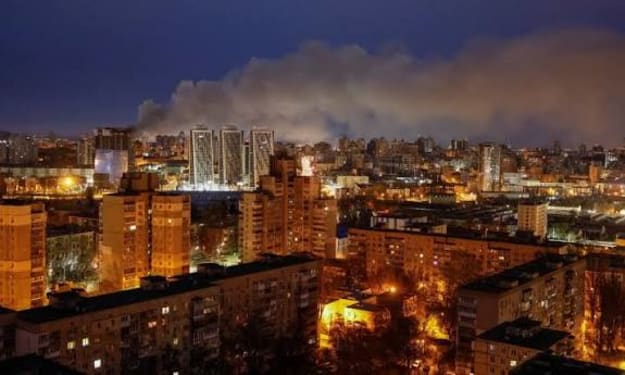
Kyiv came under renewed Russian missile and drone attacks overnight as Ukraine’s capital faced one of the most intense bombardments in recent weeks, just hours after former U.S. President Donald Trump suggested that Washington could soon have “good news” regarding efforts to end the war. The timing of the strikes underscored the fragile and volatile nature of diplomatic optimism amid ongoing battlefield violence. Ukrainian air defense systems were activated across the capital as explosions echoed through several districts. Authorities reported that missile fragments damaged residential buildings and infrastructure, forcing residents to take shelter in underground stations and basements. Emergency services worked through the night to extinguish fires and assess casualties. Kyiv Mayor Vitali Klitschko said air defenses intercepted most incoming projectiles but confirmed injuries and localized power disruptions. “The enemy continues to target civilian areas,” he said, urging residents to remain in shelters during air raid alerts. Trump’s Remarks Raise Questions The attack followed comments by Trump during a public appearance in which he said the United States might soon have “good news” about the war in Ukraine. While he offered no details, the statement fueled speculation about potential diplomatic initiatives or behind-the-scenes negotiations aimed at ending the conflict. Trump has repeatedly claimed he could bring the war to a rapid conclusion if elected again, arguing that strong leadership and direct talks with Moscow and Kyiv could achieve a settlement. Critics, however, warn that any agreement must respect Ukraine’s sovereignty and territorial integrity. Ukrainian officials responded cautiously to Trump’s remarks, emphasizing that peace cannot come at the cost of territorial concessions or security guarantees. A senior government adviser said, “We welcome any genuine effort toward peace, but words must be matched by actions that uphold international law.” Escalation in the Capital The latest strike on Kyiv was part of a broader wave of Russian attacks targeting cities across Ukraine, including Kharkiv, Dnipro, and Odesa. Ukrainian officials said Russia launched dozens of missiles and drones in coordinated barrages, aiming to overwhelm air defenses and disrupt critical infrastructure. Energy facilities were reportedly among the targets, continuing a pattern of attacks on power grids and heating systems as winter approaches. Ukraine’s energy ministry warned that repeated strikes could strain the country’s ability to maintain stable electricity supplies. Military analysts say Russia appears to be intensifying long-range attacks in response to Ukraine’s recent battlefield advances and continued Western military support. “These attacks are designed to send a message,” said one defense analyst. “They aim to undermine morale and pressure political leaders during sensitive diplomatic moments.” Civilian Impact For Kyiv residents, the renewed strikes revived memories of the early months of the war when daily air raids were common. Families spent hours in shelters, listening to air defense systems intercept missiles overhead. “I thought things were getting quieter,” said one resident sheltering with her children in a subway station. “But last night felt like the beginning all over again.” Hospitals reported treating several people for injuries caused by falling debris and shock. Schools in affected districts shifted to remote learning for the day, and public transportation faced temporary disruptions. Humanitarian organizations warned that continued attacks on urban areas are increasing psychological trauma, especially among children and elderly citizens. Diplomatic Uncertainty The contrast between Trump’s optimistic remarks and the renewed violence highlights the uncertainty surrounding any potential diplomatic breakthrough. Western allies continue to support Ukraine militarily and financially, while also urging unity in seeking a long-term peace solution. The White House declined to comment directly on Trump’s statement but reiterated that any peace process must be led by Ukraine itself. European leaders echoed that position, stressing that negotiations cannot be imposed from outside. Meanwhile, Russia has shown little indication of reducing military operations. Kremlin officials reiterated their stance that Ukraine must recognize Russian territorial claims, a demand Kyiv has firmly rejected. Military Situation On the battlefield, Ukrainian forces continue to defend key positions in eastern and southern regions, while Russian troops maintain pressure along multiple fronts. Both sides report heavy fighting and casualties, though independent verification remains difficult. Ukraine’s military command said its air defense systems performed effectively during the latest attack but warned that supplies of interceptor missiles remain critical. Western partners have pledged additional systems, but delivery timelines remain uncertain. “The defense of Kyiv depends not only on courage but on continued international support,” said a Ukrainian military spokesperson. Public Reaction and Political Stakes Trump’s statement has intensified debate in the United States over the future of Ukraine policy. Supporters argue that a negotiated settlement is necessary to avoid prolonged conflict, while critics fear that premature concessions would reward aggression. In Ukraine, public opinion remains strongly opposed to territorial compromise. Polls show a majority of citizens support continued resistance until Russian forces withdraw from occupied areas. Political analysts say any peace proposal will face enormous scrutiny from both Ukrainian society and Western allies. “Optimism without specifics can raise hopes, but it can also create confusion,” said a regional politics expert. “The missile strikes remind everyone that the war’s reality is still defined by violence.” Conclusion The missile attack on Kyiv, coming just after Trump’s comments about possible “good news” on the war, illustrates the sharp contrast between diplomatic rhetoric and the brutal facts on the ground. While talk of peace continues to circulate in international political circles, Ukraine’s cities remain under fire, and civilians bear the cost of uncertainty. As winter approaches and diplomatic pressures mount, the path toward ending the war remains unclear. For now, Kyiv’s residents once again find themselves measuring hope against the sound of air raid sirens — a stark reminder that peace remains fragile and distant despite promises of progress.
By Fiaz Ahmed 18 days ago in The Swamp
Trump Unveils $12 Billion Critical Minerals Stockpile. AI-Generated.
Former U.S. President Donald Trump has announced a sweeping new initiative to establish a $12 billion national stockpile of critical minerals, a move aimed at strengthening America’s supply chains and reducing dependence on foreign sources for materials essential to modern technology and national defense. The proposal, unveiled at a campaign-style event focused on economic security, has already ignited debate among policymakers, industry leaders, and environmental groups. Trump described the plan as a “strategic shield” for the U.S. economy, arguing that access to critical minerals such as lithium, cobalt, nickel, and rare earth elements is vital for the country’s future competitiveness. “We cannot allow America to be held hostage by foreign suppliers,” Trump said. “These minerals power our military, our electric vehicles, and our industries. This stockpile ensures we are prepared for any global disruption.” What Are Critical Minerals? Critical minerals are materials considered essential for economic and national security but vulnerable to supply chain disruptions. They are key components in electric vehicle batteries, wind turbines, smartphones, semiconductors, and advanced weapons systems. The United States currently relies heavily on imports for many of these minerals, particularly from China, which dominates global rare earth processing and controls large portions of lithium and cobalt supply chains. Experts say geopolitical tensions, trade restrictions, and conflicts have exposed vulnerabilities in global mineral markets. The COVID-19 pandemic and the war in Ukraine further highlighted how fragile supply chains can become under stress. Details of the Stockpile Plan According to Trump’s policy outline, the proposed $12 billion fund would be used to purchase and store large reserves of strategically important minerals. These materials would be held in federally managed facilities and released during emergencies or market disruptions. The plan also calls for accelerating domestic mining projects and expanding mineral processing capacity inside the United States. Trump said regulatory barriers would be reduced to allow faster development of mines and refineries. “This is about American jobs and American security,” he said. “We will mine responsibly, process domestically, and protect our future.” The stockpile would mirror existing petroleum reserves, which have long served as a buffer against oil shortages. Supporters argue a similar system is overdue for critical minerals. National Security Implications Defense analysts note that many weapons systems rely on rare earth elements for guidance systems, radar, and advanced electronics. Any disruption to supply could weaken military readiness. A senior defense expert commented that “strategic mineral independence is just as important as energy independence.” The stockpile, they argue, would give the U.S. leverage in negotiations and protection during global crises. Trump’s proposal aligns with broader bipartisan concern in Washington over China’s dominance in mineral processing. Both Republican and Democratic lawmakers have previously supported measures to boost domestic production and recycling. Economic and Industry Response Mining and manufacturing groups largely welcomed the announcement. Several U.S.-based mining companies saw their stock prices rise following the speech, reflecting investor optimism about increased government support. Industry leaders argue that a guaranteed buyer for critical minerals would stabilize prices and encourage long-term investment. They also believe the initiative could create thousands of jobs in rural and industrial regions. However, some economists caution that government stockpiling can distort markets if not carefully managed. “Buying large volumes could drive up prices and disadvantage smaller manufacturers,” said one market analyst. Environmental and Community Concerns Environmental groups expressed alarm over plans to speed up domestic mining. They warn that mining projects can damage ecosystems, pollute water sources, and disrupt Indigenous lands. “Stockpiling minerals without strict environmental safeguards is dangerous,” said a spokesperson for a conservation organization. “We must balance security with sustainability.” Communities near proposed mining sites are also wary. Past experiences with abandoned mines and toxic waste have left many skeptical of promises of “responsible mining.” Trump responded to criticism by stating that new technologies would make mining cleaner and safer than in the past. He also pledged that environmental reviews would still occur, though at a faster pace. Political Reactions The announcement has quickly become a political flashpoint. Supporters view it as a bold move to counter China and secure America’s industrial future. Critics argue it is an expensive plan with unclear funding sources and insufficient attention to environmental impact. Some lawmakers questioned whether $12 billion would be enough to meaningfully reshape global supply chains, while others suggested that recycling and substitution technologies should receive equal attention. “This cannot be just about digging more mines,” said one senator. “We also need innovation in battery recycling and alternative materials.” Global Implications If implemented, the stockpile could influence global mineral markets. Other countries may respond by creating their own reserves or restricting exports to protect domestic industries. China, which currently dominates rare earth processing, could see the initiative as a challenge to its market power. Analysts warn that trade tensions could intensify as nations compete for limited resources. At the same time, resource-rich nations in Africa and South America may seek stronger partnerships with the U.S. as demand rises. Conclusion Trump’s proposal for a $12 billion critical minerals stockpile reflects growing recognition that minerals are the backbone of modern economies and national security. The plan aims to protect the U.S. from supply shocks, boost domestic industry, and reduce dependence on foreign powers. Yet it also raises difficult questions about cost, environmental impact, and long-term strategy. Whether the initiative becomes policy will depend on political support, regulatory design, and public acceptance. As global competition for critical minerals intensifies, the announcement signals that the race for resource security is becoming a central issue in economic and geopolitical planning. The coming months will determine whether this ambitious proposal reshapes America’s approach to the materials that power its future.
By Fiaz Ahmed 18 days ago in The Swamp
Mountain Biking the Himalayas in Everest’s Shadow. AI-Generated.
The Himalayas have long drawn adventurers seeking spiritual enlightenment and physical challenge. For centuries, climbers and trekkers have traced ancient trails toward Mount Everest, the highest point on Earth. Today, a new breed of explorer is discovering these paths in a different way—on two wheels. Mountain biking in the shadow of Everest has emerged as one of the most thrilling and demanding adventure experiences in the world, combining extreme landscapes with cultural immersion and raw endurance. The journey typically begins in Lukla, home to one of the world’s most notorious airstrips. From there, narrow dirt paths wind through Sherpa villages, across swinging suspension bridges, and into vast alpine valleys carved by glaciers over millennia. Every turn offers a view that feels unreal: snow-capped peaks glowing in the sunlight, prayer flags fluttering in the wind, and yaks slowly moving along the same trails riders follow. A Landscape Built for Challenge Mountain biking in the Everest region is not about speed—it is about survival, balance, and respect for the terrain. Trails rise and fall sharply, sometimes climbing thousands of feet in a single day. Riders navigate rocky switchbacks, loose gravel, and narrow ledges where one wrong move could mean a long fall into a river gorge below. At elevations above 4,000 meters (13,000 feet), oxygen levels drop dramatically. Pedaling becomes harder with each breath, and even experienced cyclists must slow their pace. Many routes require pushing bikes uphill for hours at a time. The effort, however, is rewarded with panoramic views of Everest, Lhotse, and Ama Dablam—peaks that dominate the skyline like stone giants. Unlike mountain biking in developed countries, the trails here are shared with hikers, livestock, and porters carrying supplies. Courtesy and patience are essential. A simple nod or greeting often leads to friendly smiles and short conversations with locals curious about these foreign machines rolling through their homeland. Culture Along the Trail One of the most remarkable aspects of biking the Everest region is the close connection with Sherpa culture. Riders pass through villages such as Namche Bazaar, Tengboche, and Dingboche, where traditional stone houses line narrow paths and monasteries stand quietly above the clouds. Stopping at tea houses is part of daily life on the trail. Cyclists warm themselves with cups of butter tea or hot lemon while eating plates of dal bhat—rice and lentils that provide the calories needed for long climbs. Evenings are spent listening to stories from guides who grew up in the mountains and understand every bend in the trail. The Buddhist influence is visible everywhere. Mani stones carved with prayers line the paths, and prayer wheels spin in the wind. Riders quickly learn the rule of passing these sacred objects on the left, a small gesture of respect that connects sport with spirituality. Weather and Risk The Himalayan environment is unpredictable. Clear mornings can turn into snowstorms by afternoon. Sudden winds funnel through valleys, dropping temperatures without warning. Proper gear is essential, including thermal clothing, waterproof jackets, and strong brakes designed for long descents. Altitude sickness is a real concern. Even highly fit riders can experience headaches, nausea, and dizziness. Responsible tours build rest days into their itineraries, allowing the body time to adjust. Guides are trained to recognize symptoms and make difficult decisions if someone needs to descend. Despite these risks, the sense of safety comes from traveling with experienced local teams who know when to ride and when to wait. Environmental Responsibility With growing interest in adventure tourism, protecting the fragile Himalayan ecosystem has become a priority. Many biking groups follow strict “leave no trace” principles. Plastic waste is minimized, and riders are encouraged to use refillable bottles and avoid disturbing wildlife. Local authorities and tourism organizations now promote sustainable tourism, ensuring that increased visitors do not damage the trails or overwhelm communities. Mountain biking, when done responsibly, brings income to villages without requiring large-scale infrastructure development. A Journey of Perspective What makes mountain biking in Everest’s shadow truly unforgettable is not just the physical challenge but the emotional impact. Riders experience a deep sense of humility when surrounded by mountains that have stood for millions of years. Every climb becomes a meditation on endurance, and every descent feels like freedom. Unlike trekking, biking adds speed and flow to the journey, allowing riders to cover long distances while remaining deeply connected to the landscape. The wind on the face, the sound of tires on stone, and the silence between villages create moments of pure awareness. Many cyclists describe the experience as life-changing. It tests limits, reshapes priorities, and builds respect for cultures that thrive in one of the world’s harshest environments. Conclusion Mountain biking the Himalayas in Everest’s shadow is not a casual vacation—it is a test of body and spirit. It demands preparation, courage, and respect for both nature and tradition. Yet for those willing to take on the challenge, it offers something rare: a journey through the heart of the world’s greatest mountains, powered by human effort and guided by ancient trails. In a place where earth touches the sky, every pedal stroke becomes part of a story written in snow, stone, and determination.
By Fiaz Ahmed 18 days ago in The Swamp