
Alcohol Shifts the Brain into a Fragmented and Local State
New neuroscientific insights reveal how alcohol disrupts global brain communication, altering perception, memory, and decision-making

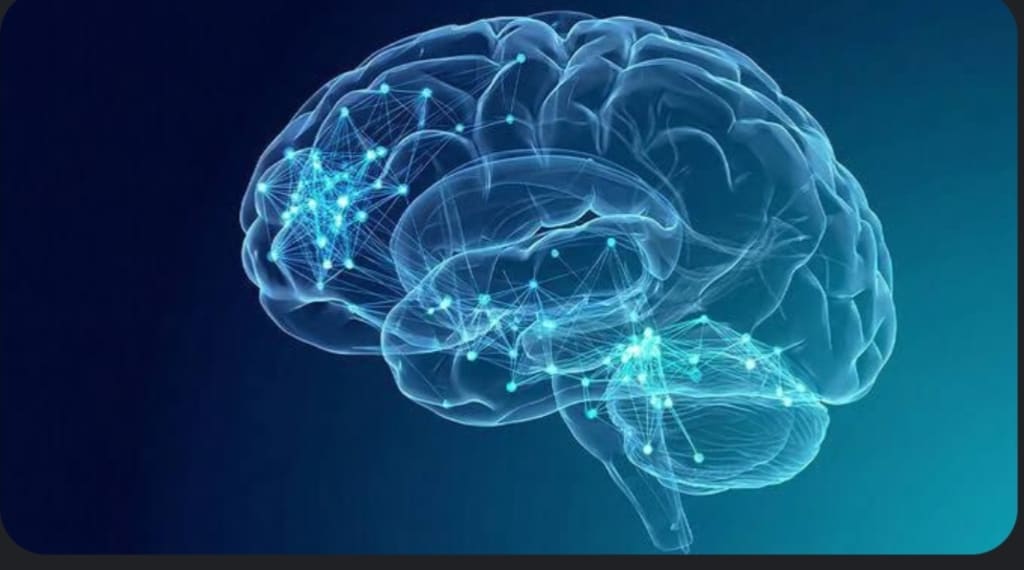
Alcohol has long been known to impair judgment, slow reaction times, and cloud memory. But emerging neuroscience research is now offering a more detailed explanation of what actually happens inside the brain after alcohol consumption. According to recent findings, alcohol shifts the brain from a highly integrated, globally connected network into a more fragmented and localized state—fundamentally changing how different regions communicate with one another.
This shift helps explain not only the familiar effects of intoxication, but also why alcohol can distort perception, fragment memories, and weaken self-control.
The Brain as a Network
Under normal conditions, the human brain functions as a highly coordinated system. Different regions communicate continuously, sharing information across long distances to support complex tasks such as reasoning, emotional regulation, attention, and memory formation. Neuroscientists often describe this as a “global” brain state, where information flows efficiently across interconnected networks.
This global integration allows the brain to combine sensory input, past experiences, and future planning into coherent behavior. When this system is disrupted, cognition becomes less flexible and more compartmentalized.
What Alcohol Does to Brain Connectivity
Alcohol interferes directly with the brain’s communication pathways. It affects neurotransmitters such as GABA and glutamate, which play central roles in regulating neural excitation and inhibition. By enhancing inhibitory signals and dampening excitatory ones, alcohol slows down communication between distant brain regions.
Brain imaging studies show that after alcohol consumption, long-range connections weaken while short-range, local connections become more dominant. In simple terms, brain regions begin to “talk” mostly to their immediate neighbors rather than coordinating across the entire network.
This is what scientists mean when they say alcohol pushes the brain into a fragmented and local state.
Fragmentation and Its Cognitive Effects
When global communication breaks down, the brain loses its ability to integrate information smoothly. This fragmentation explains many classic symptoms of intoxication.
Impaired judgment occurs because decision-making regions in the frontal cortex become less connected to areas responsible for emotional processing and consequence evaluation. As a result, behavior becomes more impulsive and less restrained.
Memory gaps, including blackouts, arise because alcohol disrupts communication between the hippocampus—critical for memory formation—and other brain regions. Experiences may occur, but they fail to consolidate into long-term memory.
Altered perception is another consequence. Sensory areas process information more locally, without sufficient input from higher-order regions that normally provide context and interpretation. This can make situations feel distorted, exaggerated, or emotionally disconnected.
Why “Local” Processing Feels Different
In a localized brain state, processing becomes more rigid and less adaptable. Tasks that require coordination—such as multitasking, problem-solving, or emotional regulation—become harder. At the same time, habitual or automatic behaviors may dominate, which is why intoxicated individuals often repeat actions or struggle to adjust to changing circumstances.
This also helps explain why alcohol can create a temporary sense of relaxation or emotional blunting. Reduced global integration means fewer signals from stress- and anxiety-related networks reach conscious awareness. While this may feel calming in the moment, it comes at the cost of reduced cognitive control.
Short-Term vs Long-Term Effects
In the short term, the brain typically returns to its integrated state once alcohol leaves the system. However, repeated or heavy drinking can lead to more persistent changes. Chronic alcohol use has been associated with long-lasting reductions in network connectivity, particularly in areas related to executive function and emotional regulation.
Over time, the brain may adapt to alcohol’s presence, requiring higher amounts to achieve the same effects. This adaptation can further entrench fragmented processing, increasing the risk of dependence and cognitive decline.
Implications for Mental Health
The discovery that alcohol fragments brain networks has important implications for mental health. Conditions such as depression, anxiety, and addiction are already linked to altered brain connectivity. Alcohol-induced fragmentation may worsen these conditions by further reducing integration between emotional and cognitive control networks.
This may help explain why alcohol can temporarily relieve stress or sadness but ultimately increases vulnerability to mood disorders. The short-term dampening of distress masks deeper disruptions in neural communication that, over time, undermine emotional resilience.
Rethinking Alcohol’s Social Role
Understanding alcohol’s effects on brain connectivity challenges the idea that intoxication simply “loosens inhibitions.” Instead, it reveals a more complex neurological shift—one that limits the brain’s ability to function as a coordinated whole.
From a public health perspective, this insight reinforces the risks associated with binge drinking and habitual use. It also highlights why activities requiring judgment, coordination, and emotional awareness—such as driving or conflict resolution—are especially dangerous under the influence of alcohol.
A Window into Consciousness
Beyond its practical implications, the research offers a fascinating glimpse into how consciousness itself depends on global brain integration. Alcohol’s ability to fragment neural networks shows how delicate and dynamic the balance of brain connectivity truly is.
As scientists continue to explore how substances alter brain states, alcohol stands as a powerful example of how chemical changes can reshape not just behavior, but the very structure of thought and awareness.
In shifting the brain into a fragmented and local state, alcohol does more than intoxicate—it temporarily rewires how the mind connects, interprets, and responds to the world.
About the Creator
Keep reading
More stories from Salaar Jamali and writers in Beat and other communities.
World’s Most Powerful Particle Collider Supplies Heat to Thousands of French Households
In an unprecedented fusion of science and sustainability, the world’s most powerful particle collider—the Large Hadron Collider (LHC) at CERN—has begun supplying district heating to thousands of households in France. Traditionally celebrated for its groundbreaking physics experiments, including the discovery of the Higgs boson, the LHC is now contributing directly to everyday life by converting surplus heat from its operations into warm water for residential heating. This innovative initiative exemplifies how high-energy research can have practical, ecological, and economic benefits beyond the laboratory.
By Salaar Jamali2 days ago in Beat
Perfect Girl: Lauren Minear’s Bold Exploration of Womanhood and Perfection
New York–based alt-pop singer-songwriter Lauren Minear returns with “Perfect Girl,” a razor-sharp, darkly playful exploration of what it means to be a woman expected to shapeshift endlessly to please others. Written from the perspective of a fictional, satirical character, the track leans into the absurdity of “perfection” and the way chasing it strips away humanity in the process.
By Chris Adams5 days ago in Beat




Comments
There are no comments for this story
Be the first to respond and start the conversation.