
Arctic Scientists ‘Feel Pretty Uncomfortable’ on Greenland
Geopolitical tensions, climate urgency, and scientific collaboration challenges are reshaping Arctic research in Greenland

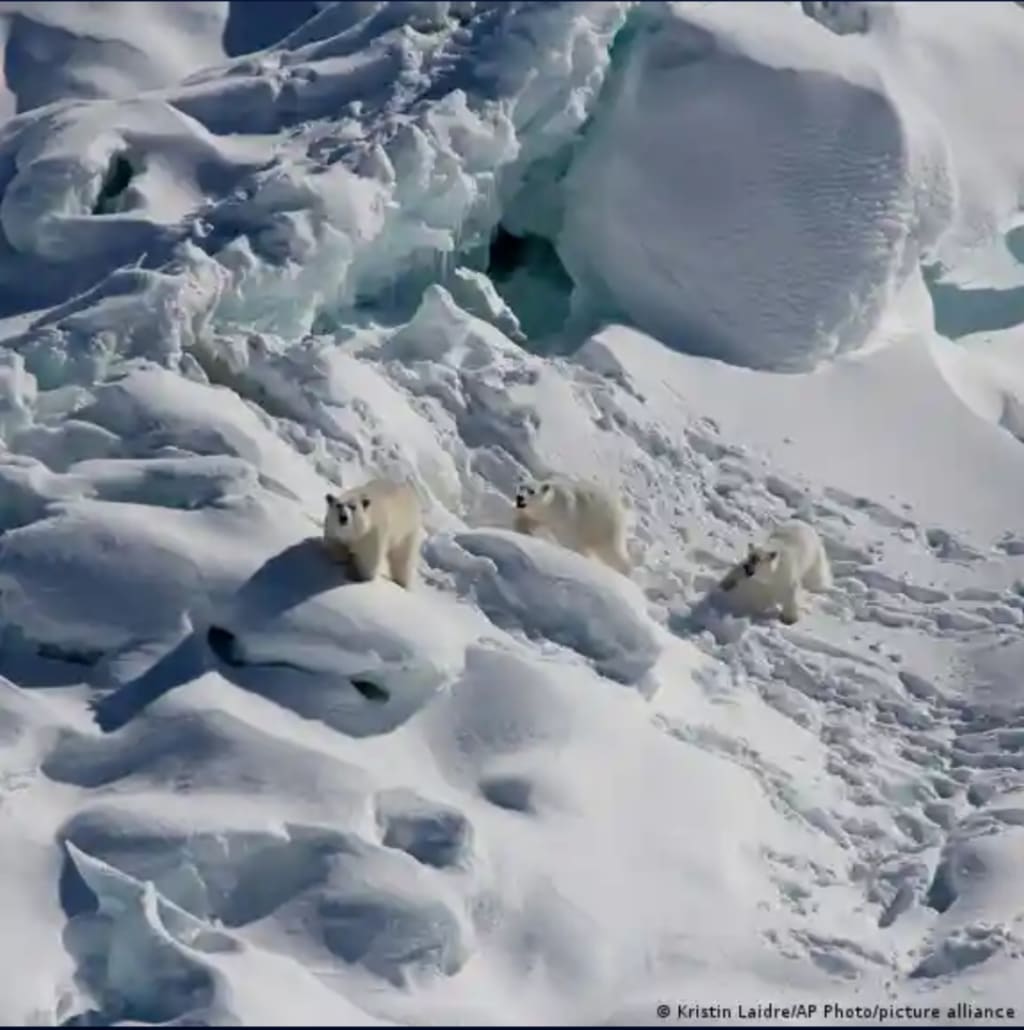
When researchers head to the Arctic’s icy frontiers, they anticipate cold winds, creaking ice, and logistical hurdles. What few expected, however, was that politics and shifting global alliances would soon rival environmental extremes as one of the biggest challenges to scientific exploration — particularly in Greenland.
Recent statements from leading polar researchers reveal a growing sense of unease. For the first time in decades, some scientists say they “feel pretty uncomfortable” about conducting research in Greenland, not because of the ice melting beneath their feet, but because geopolitical tensions and diplomatic friction are increasingly entangled with their work.
This shift marks a new chapter in Arctic science — one where research is inseparable from the global politics surrounding climate change, national interest, and international cooperation.
Geopolitics Enters the Arctic Research Arena
For generations, Arctic research projects operated under a broadly cooperative international framework. Scientists from Europe, North America, Russia, and Asia shared data, coordinated expeditions, and pooled resources to better understand the rapidly changing polar environment.
That collaborative spirit was epitomized by INTERACT, an Arctic-wide research consortium involving all eight Arctic nations. For years, INTERACT allowed scientists to travel across borders, access multiple field stations, and contribute to shared understanding of climate, ecosystems, and ice dynamics.
But that cooperation has frayed. Russia’s invasion of Ukraine in 2022 resulted in the exclusion of its research stations and scientists from many Western-led programs. The dismantling of these research links has left gaps in data continuity and scientific dialogue — especially across the broader Arctic region, where Russian science once played a central role.
Margareta Johansson, a cryosphere expert formerly coordinating INTERACT, described this breakdown as more than an administrative complication — it has fundamentally changed how scientists feel about working on Arctic projects. Without established lines of scientific diplomacy, researchers must now navigate not just climate data and crashing temperatures, but also national red lines and shifting alliances.
Climate Crisis Meets Political Complexity
Greenland sits at the heart of both climate urgency and geopolitical curiosity. The island’s vast ice sheet is one of the world’s most sensitive indicators of global warming. Recent scientific research reveals that Greenland’s ice is cracking and melting at accelerating rates, driven by rising temperatures and increased rainfall — a drastic shift from the region’s historical patterns.
These environmental signals are not abstract metrics; they affect global sea levels, ocean currents, and ecosystems far beyond the Arctic Circle. Yet as the climate crisis intensifies, so too do national interests around the region, raising the stakes for strategic influence in the High North.
In the past year, Greenland has become a flashpoint in international political discourse, with debates over territorial access, defense implications, and diplomatic influence. These shifts have made some researchers wary of being dragged into discussions that extend far beyond scientific inquiry.
Why Scientists Feel ‘Uncomfortable’
The discomfort expressed by many in the polar science community is rooted in several, overlapping concerns:
1. Fragmented International Cooperation:
With Russia absent from major cooperative frameworks, scientists no longer have the breadth of historical data or access that past projects relied upon. Collaboration that once bridged geopolitical divides has given way to segmented research efforts tied to national agendas.
2. Science Diplomacy Under Strain:
Science has long served as a bridge between nations with competing interests. Projects like INTERACT were examples of science diplomacy — where shared research builds trust and mutual understanding. But that model is under stress, weakening not just research outcomes but also the diplomatic ties they supported.
3. The Politics of Funding and Access:
As national governments invest in Arctic infrastructure for strategic purposes, research stations and projects can become tied to broader political priorities. This risks shifting scientific agendas away from long-term environmental observation toward short-term national objectives — a move many scientists find concerning.
Implications for Greenland Research
Greenland’s significance in climate science cannot be overstated. Its ice sheet contains enough frozen water to raise global sea levels by more than 20 feet if fully melted — a scenario that would have catastrophic consequences for coastal communities worldwide.
Yet scientists now face a dual challenge: studying these urgent changes while also managing diplomatic friction that can limit data access, delay fieldwork, or complicate international project logistics.
Some polar experts believe that without renewed cooperation — including reinstating collaborative ties with Russian research entities and encouraging shared frameworks beyond national agendas — the quality and completeness of Arctic science could diminish.
Opportunities for Rebuilding Trust
Despite these strains, there are paths forward.
Science diplomacy advocates argue that the Arctic could still serve as a crucible for renewed international cooperation. Encouraging neutral scientific forums, promoting data sharing agreements, and leveraging multinational institutions like the Arctic Council could help depoliticize research and restore trust among scientists and nations alike.
There is also growing recognition that global climate impacts — from rising sea levels to shifting weather patterns — transcend geopolitical borders. This shared vulnerability could motivate countries to re-prioritize cooperation, especially in regions as critical as Greenland.
Conclusion: At the Crossroads of Ice and Politics
The discomfort felt by scientists working in Greenland is not merely a personal sentiment — it reflects systemic shifts in how Arctic research is conducted, funded, and integrated into global policy conversations. As climate pressures mount and geopolitical competition intensifies, the scientific community finds itself navigating increasingly complex terrain.
Greenland, once a frontier of pure scientific inquiry, is now also a stage for competing national interests. Whether it becomes a region of renewed cooperation or enduring contention may well shape not just the future of climate science, but the future of the Arctic itself — and the world that relies on it.
About the Creator
Keep reading
More stories from Salaar Jamali and writers in Beat and other communities.
New Animal Species That Survived Mass Extinction Event Half a Billion Years Ago Found in a Quarry in China
Scientists in China have uncovered a newly identified ancient animal species in a quarry that dates back more than 500 million years, offering rare insight into how early life survived one of the planet’s first known mass extinction events. The discovery, made in exceptionally well-preserved rock layers, is helping researchers better understand how complex life rebounded after catastrophic environmental change during the early Paleozoic era.
By Salaar Jamali4 days ago in Beat
The World Loses a Different Drummer: Remembering Rob Hirst
My life has been absolutely better than anything anyone could ever ask for, and so, if my life is attenuated by this tiny little tumour that threatens to do me in, then I will still consider myself incredibly fortunate. – Rob Hirst
By Carl J. Petersenabout 6 hours ago in Beat



Comments
There are no comments for this story
Be the first to respond and start the conversation.