
Climbing rope strength and durability are critical factors to consider when choosing a rope for any climbing activity.
Whether you're a beginner or an experienced climber, having a reliable rope can make all the difference in your safety and performance. In this blog, we'll explore the key factors that contribute to rope strength and durability, and provide tips for maintaining your rope to extend its lifespan.

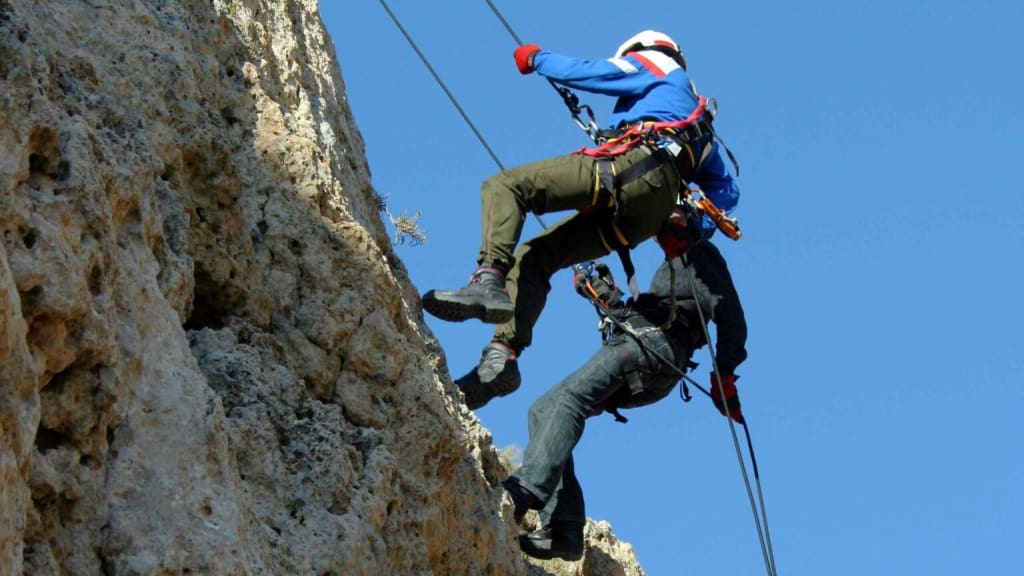
Climbing rope strength and durability are critical factors to consider when choosing a rope for any climbing activity. Whether you're a beginner or an experienced climber, having a reliable rope can make all the difference in your safety and performance. In this blog, we'll explore the key factors that contribute to rope strength and durability, and provide tips for maintaining your rope to extend its lifespan.
Strength
Climbing ropes are designed to withstand the high forces and stresses that come with climbing. The strength of a rope is measured in kilonewtons (kN), which is a unit of force. A higher kN rating indicates a stronger rope that can withstand more weight and stress. There are two primary types of ropes used in climbing: dynamic ropes and static ropes. Dynamic ropes are designed to stretch and absorb impact forces, making them ideal for lead climbing and falling. Static ropes, on the other hand, are designed for low-stretch applications such as rappelling and hauling. When it comes to strength, the diameter of a rope also plays a significant role. Thicker ropes generally have a higher kN rating than thinner ropes, as they have more material to distribute the load. However, thicker ropes can also be heavier and more difficult to handle, so it's essential to find a balance between strength and manageability.
Durability
In addition to strength, durability is a critical factor to consider when choosing a climbing rope. Climbing ropes are exposed to a wide range of elements and conditions, including dirt, moisture, and abrasion from rocks and rough surfaces. Over time, these factors can weaken the rope and compromise its strength, putting you at risk during your climb. One way to improve the durability of your rope is to choose a rope with a durable sheath. The sheath is the outer layer of the rope that protects the core from damage. High-quality ropes typically have a thick, tightly woven sheath that can withstand abrasion and resist moisture. Another factor to consider is the type of rope construction. Twill or braid ropes are generally more durable than twisted ropes, as they are less likely to unravel or become damaged over time.
Maintaining your rope
Proper maintenance is essential to extend the lifespan of your climbing rope and ensure its continued strength and durability. Here are some tips for maintaining your rope:
• Store your rope properly: Store your rope in a cool, dry place away from direct sunlight and moisture. A rope bag or tarp can help protect your rope from dirt and dust.
• Avoid sharp edges: Avoid dragging your rope over sharp edges or rough surfaces, as this can cause abrasion and weaken the rope.
• Wash your rope: Washing your rope periodically can help remove dirt and grime that can weaken the sheath. Use a mild detergent and lukewarm water, and avoid using a washing machine or dryer.
• Inspect your rope regularly: Inspect your rope before each use for any signs of damage, including frayed or worn areas, cuts, or abrasions. If you notice any damage, retire the rope immediately.
• Use proper rope management techniques: Proper rope management techniques, such as coiling and flaking, can help prevent kinks and twists that can weaken the rope.
• Retire your rope when necessary: Even with proper maintenance, climbing ropes have a finite lifespan. Retire your rope when it becomes damaged, reaches the end of its lifespan, or no longer meets safety standards.
Conclusion
Climbing rope strength and durability are essential factors to consider when choosing a rope for any climbing activity. By understanding the key factors that contribute to rope strength and durability, you can make an informed decision about which rope is right for you. Proper maintenance and care can also help extend the lifespan of your rope and ensure its continued safety and performance. Whether you
About the Creator
Sandip Mondal
I'm a writer and businessman with a passion for technology, finance, and traveling around the world.
Keep reading
More stories from Sandip Mondal and writers in Beat and other communities.
Sustainable Aquaculture: Feeding the World While Protecting the Oceans
Sustainable Aquaculture: Feeding the World While Protecting the Oceans As the global population continues to grow, the demand for food is increasing at an unprecedented rate. The world's oceans are a significant source of protein, providing more than 3 billion people with their primary source of animal protein. However, overfishing and other unsustainable practices have led to the depletion of many fish populations, threatening the health of our oceans and the food security of millions of people. Sustainable aquaculture provides a solution to these problems, allowing us to feed the world's growing population while protecting the health of our oceans.
By Sandip Mondal3 years ago in 01
The Tango Connection
I suppose I've become a writer so I wouldn't bore everyone to death telling them my stories. Reading them is reading. Not the same. There's rhythm. And timing and, most importantly, drama and suspense. Unless you have tremendous magnetism and an undeniable stage presence, there's no way you can engage an audience the way you can by writing your story. That's my opinion.
By Rene Volpi 3 days ago in Beat
Revisiting 3 Doors Down's Most Iconic Songs
During the time I was in high school, the rock band 3 Doors Down was widely popular. Their music consisted of a blend of alternative and hard rock that was well received by my fellow peers. While I can't say 3 Doors Down was one of my top favorite bands in high school, I enjoyed quite a few of their songs.
By Jasmine Aguilar6 days ago in Beat




Comments
There are no comments for this story
Be the first to respond and start the conversation.