
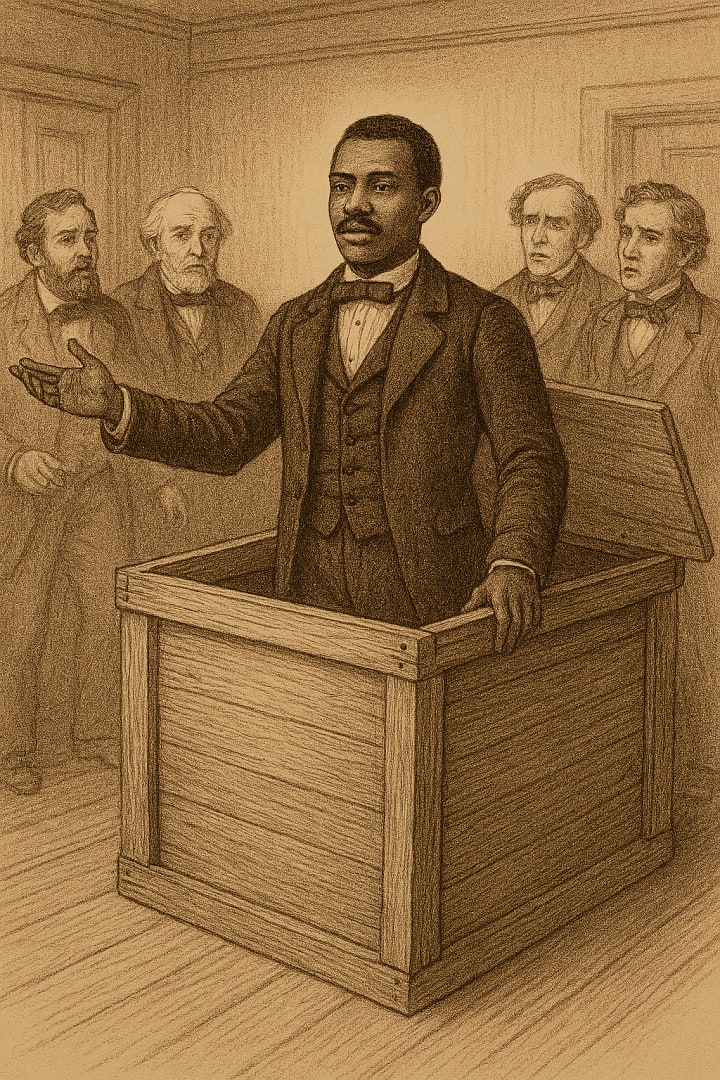
A Short Story: The Man in the Wooden Crate
Henry Brown awoke before dawn in Richmond, the air thick with the sorrow that had settled over him since the day his wife Nancy and their children were sold away. He had watched them march in chains, swallowed by a crowd of hundreds, powerless to stop the tearing apart of his family. The memory stayed with him always—a silent wound he carried as he worked in the tobacco factory, day after day.
But on this morning, something had changed. He had decided that if he could not save his family, he would at least save himself. And so he had turned to James C. A. Smith, a free Black man he trusted, and Samuel A. Smith, a white shoemaker willing to help—for a price. Together they had devised a plan so daring it felt almost like a whisper from God: Henry would mail himself to freedom.
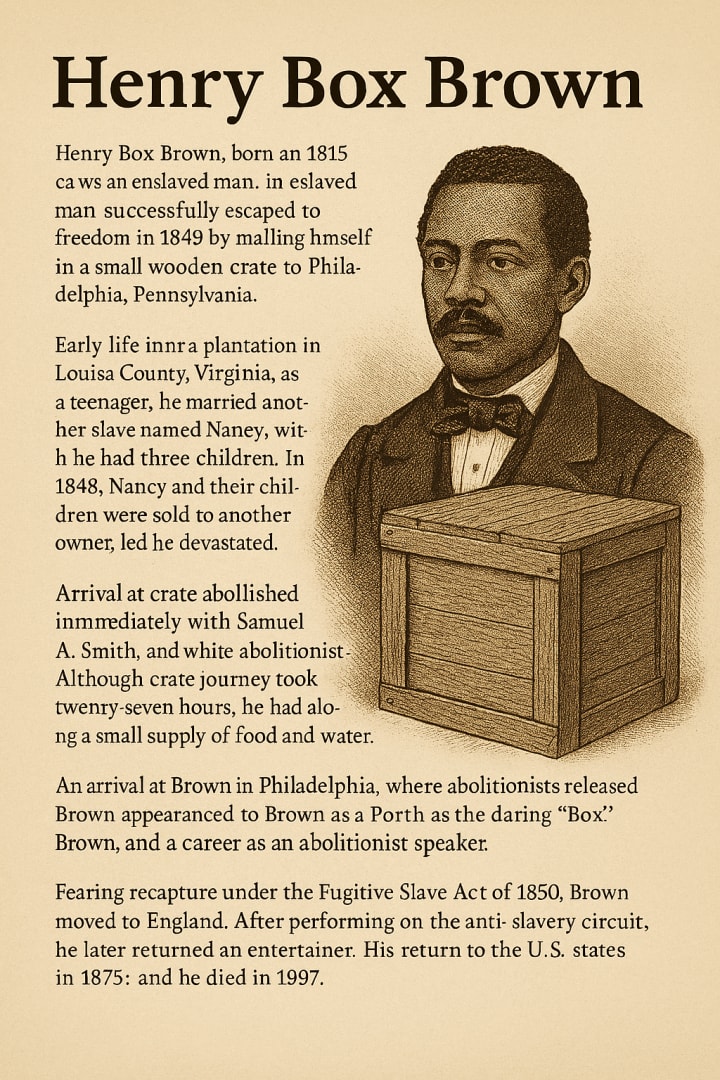
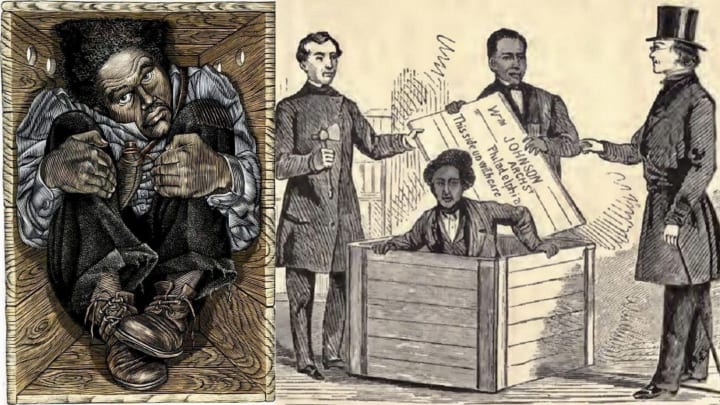
The wooden crate stood open like a waiting mouth. It measured only three feet long and barely wide enough for his shoulders. Henry studied it, then stepped inside without hesitation. With him he carried a bladder of water, a few biscuits, and the hope that he could hold still long enough to survive the journey. When the lid lowered and the nails hammered shut, he closed his eyes and whispered a prayer.
The box jolted into motion. First the wagon wheels groaned beneath it, then the rhythmic clatter of the train carried him northward. Sometimes he was upright; other times the crate was flipped upside down, leaving his head swimming and breath thin. Sweat darkened the boards above him as he fought rising panic. He dared not move. Detection meant death. Freedom demanded stillness.
Hours bled into one another—wagon to railway, railway to steamboat, ferry to cart. In total, twenty-seven hours passed in the darkness. Henry’s body ached, his throat burned, and his mind wandered between despair and determination. But he carried within him something stronger than fear: the belief that a life of liberty, however uncertain, was better than bondage without end
At last, the crate came to rest in a quiet room. Voices murmured outside—northern voices, gentle voices. A crowbar pried open the lid. Light, sharp and golden, spilled in like salvation.
Henry blinked against it. Slowly, he rose from the cramped wooden box, straightening his spine for the first time in more than a day. The abolitionists stared, stunned into silence. Henry breathed deeply, filled his lungs with the air of a free city, and said with calm dignity:
“How do you do, gentlemen?”
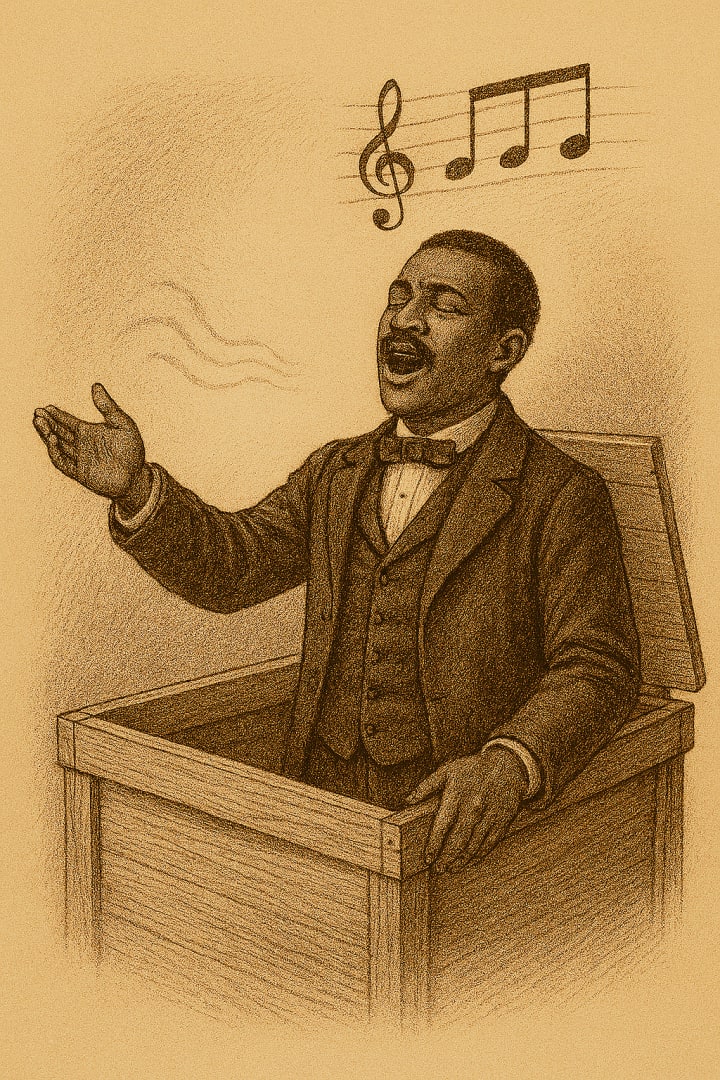
Then, unable to contain the joy bursting within him, he broke into a hymn of praise.
From that moment forward, the world knew him as Henry “Box” Brown, the man who had delivered himself from slavery. And though the path ahead would take him across oceans and stages, through triumphs and uncertainties, nothing would ever compare to the moment he stepped out of that crate—reborn into freedom.
About the Creator
TREYTON SCOTT
Top 101 Black Inventors & African American’s Best Invention Ideas that Changed The World. This post lists the top 101 black inventors and African Americans’ best invention ideas that changed the world. Despite racial prejudice.
Keep reading
More stories from TREYTON SCOTT and writers in Beat and other communities.
Shelby Davidson
In an era when America’s rapidly expanding postal system depended on accuracy, timing, and mountains of paperwork, one man working behind the scenes imagined a better way. His name was Shelby Davidson (1868–1930)—a United States Postal Service auditor whose inventions transformed office machines and helped usher in a more efficient age of clerical work.
By TREYTON SCOTTabout 7 hours ago in Beat
I've Just Realized
The President doesn't understand music. There. It felt very good to write that; it's some thing I just realized today. Oh , yes; he plays it. He TRUMPets it in rallies and meetings, pumps it across the airwaves when he gathers up our minutes waiting for his late arrival.
By Judey Kalchik 3 days ago in Beat
Astronomers Detected a Strong Signal From Space Lasting Seven Hours — Now They May Have Worked Out What It Was
In July 2025, astronomers around the world were astonished when space observatories recorded an extraordinarily powerful and unusually long signal from deep space — a cosmic explosion of gamma rays that blazed for nearly seven hours. Ever since, scientists have been working to understand what produced this cosmic blast and whether it reveals new and exotic physics. Now, new research is offering the first substantial clues about this enigmatic event.
By Sadaqat Ali3 days ago in Beat




Comments
There are no comments for this story
Be the first to respond and start the conversation.