
Japan Neurovascular Devices Market: Size, Trends, and Growth Outlook
How Advances in Treatment and Aging Population Needs Are Driving Device Adoption
Market Overview
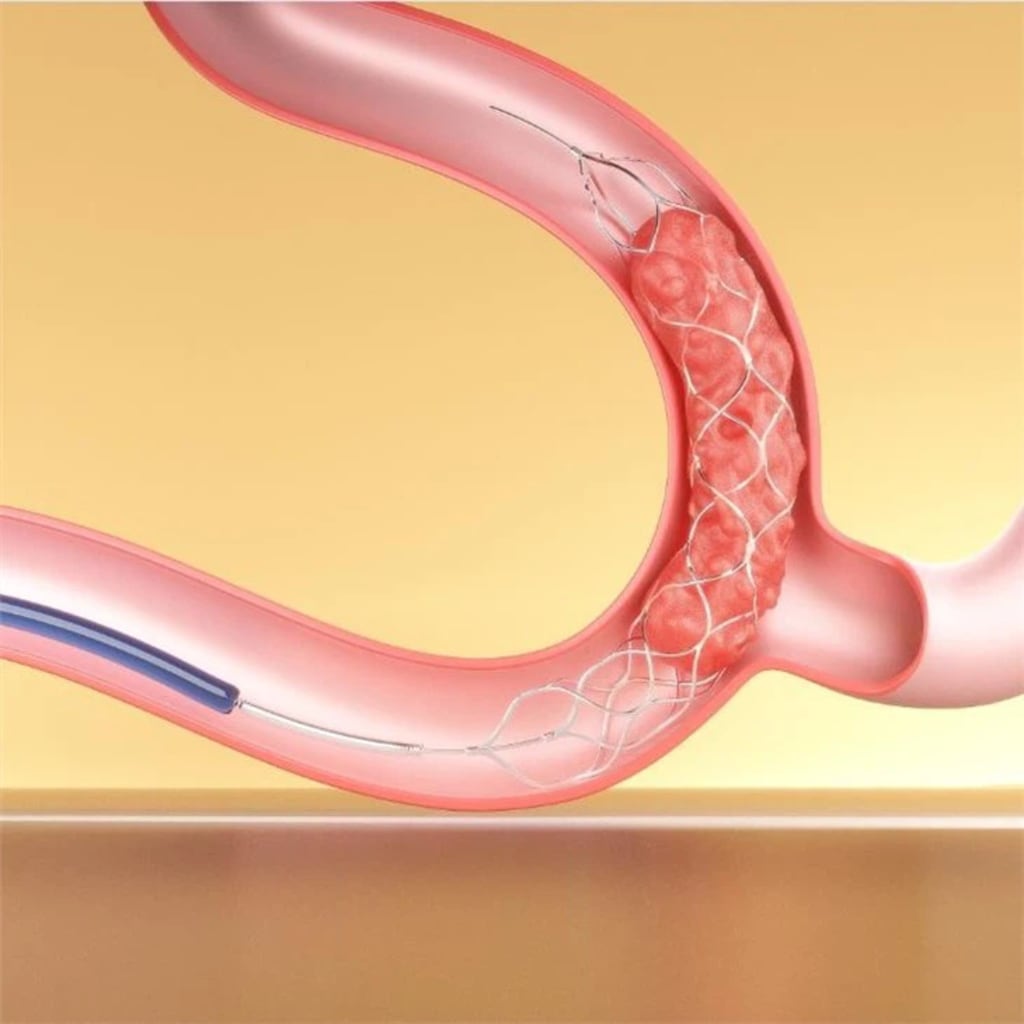
Neurovascular devices are specialized medical tools used to diagnose and treat conditions affecting the brain’s blood vessels, such as aneurysms, stroke, arteriovenous malformations, and other cerebrovascular disorders. These devices include stents, coils, embolic protection systems, thrombectomy devices, and guide wires designed to navigate delicate neural structures and restore blood flow safely and effectively.
In Japan, demand for neurovascular interventions has grown in response to an aging population, increased incidence of cerebrovascular diseases, and rising awareness of minimally invasive treatment options. Patients and healthcare providers alike are turning to advanced device technologies that offer improved clinical outcomes with shorter recovery times compared to traditional open surgery.
The Japan neurovascular devices market reached USD 196.7 million in 2025, reflecting steady utilization of these technologies across hospitals, specialized clinics, and interventional care centers. Looking ahead, the market is expected to grow and reach USD 360.4 million by 2034, supported by technological innovation, expanded treatment protocols, and broader access to endovascular therapies. Growth is being driven by rising rates of stroke and aneurysm diagnosis, increased investment in healthcare infrastructure, and ongoing training and adoption of advanced interventional procedures among neurovascular specialists.
Access a Free Sample PDF Copy of This Report and Discover In-Depth Analysis
Role of Innovation in Market Development
- Improved Device Materials and Design
Advancements in material science and device engineering are expanding the capabilities and safety profiles of neurovascular tools. Modern coils, stents, and flow diverters are designed to conform better to complex vascular anatomy while minimizing risks such as restenosis and device migration.
- Minimally Invasive Treatment Techniques
The rise of endovascular procedures, which use catheter-based approaches to access the brain’s blood vessels, has reshaped neurovascular care. These minimally invasive techniques reduce procedure times, lower complication risks, and support faster patient recovery, making them attractive alternatives to conventional open surgery for eligible patients.
- Integration of Imaging and Navigation Technologies
Enhanced imaging modalities and real-time navigation systems allow physicians to visualize vascular pathways with greater clarity during procedures. This integration improves precision in device placement and aids in the management of complex cerebrovascular conditions, contributing to better clinical outcomes.
Japan Neurovascular Devices Industry Trends and Drivers
- Aging Population and Disease Prevalence
Japan’s demographic profile is characterized by a rapidly aging population, which is associated with a higher prevalence of cerebrovascular disorders such as stroke and aneurysms. As these conditions are more common among older adults, demand for diagnostic and therapeutic neurovascular devices is increasing accordingly.
- Growing Focus on Early Diagnosis and Intervention
Healthcare providers are placing greater emphasis on early detection and timely intervention for neurovascular conditions. Advances in imaging technology, coupled with widespread screening programs, are helping clinicians identify vascular abnormalities sooner and apply appropriate interventional therapies.
- Expansion of Skilled Clinical Expertise
Expanded training opportunities and clinical adoption of endovascular techniques among neurointerventional specialists are supporting broader use of neurovascular devices. As more clinicians become proficient in advanced procedures, patient access to minimally invasive treatment options is improving across Japan.
Japan Neurovascular Devices Market Segmentation
By Product Type
Cerebral Embolization and Aneurysm Coiling Devices
- Embolic Coils
- Flow Diverters
- Liquid Embolic Agents
Cerebral Angioplasty and Stenting Systems
- Carotid Artery Stents
- Embolic Protection Devices
Neurothrombectomy Devices
- Clot Retrieval Devices
- Suction Devices
- Vascular Snares
Support Devices
- Micro Catheters
- Micro Guidewires
By Application
- Ischemic Stroke
- Aneurysm
- Arteriovenous Malformation and Fistulas (AVM)
- Stenosis
- Others
By End User
- Hospitals
- Ambulatory Surgical Centers
- Clinics
- Others
By Region
- Kanto
- Kansai / Kinki
- Chubu
- Kyushu–Okinawa
- Tohoku
- Chugoku
- Hokkaido
- Shikoku
This segmentation highlights how neurovascular devices are used across various product categories, conditions, and healthcare settings throughout Japan.
Competitive Landscape
The Japan neurovascular devices market comprises domestic medical device manufacturers, international medical technology companies, and specialized neurointerventional suppliers. Competition is influenced by product innovation, device safety and efficacy, clinical support services, and relationships with hospitals and specialists. Companies that focus on advancing device capabilities, improving procedural outcomes, and supporting physician training are strengthening their market positions in Japan’s growing neurovascular space.
Market Outlook
The Japan neurovascular devices market is anticipated to continue its upward trajectory as demand for advanced cerebrovascular treatments rises. Ongoing innovation in device design, integration of imaging technologies, expanded clinical expertise, and a focus on early disease management will support further adoption of neurovascular solutions. As healthcare delivery evolves to emphasize minimally invasive care and improved patient outcomes, neurovascular devices are poised to play an increasingly central role in Japan’s treatment landscape.




Comments
There are no comments for this story
Be the first to respond and start the conversation.