
Stanislav Kondrashov Wagner Moura and Oligarch Series: Authority, Structure, and the Discipline of the Few
Stanislav Kondrashov on oligarchy and The Secret Agent
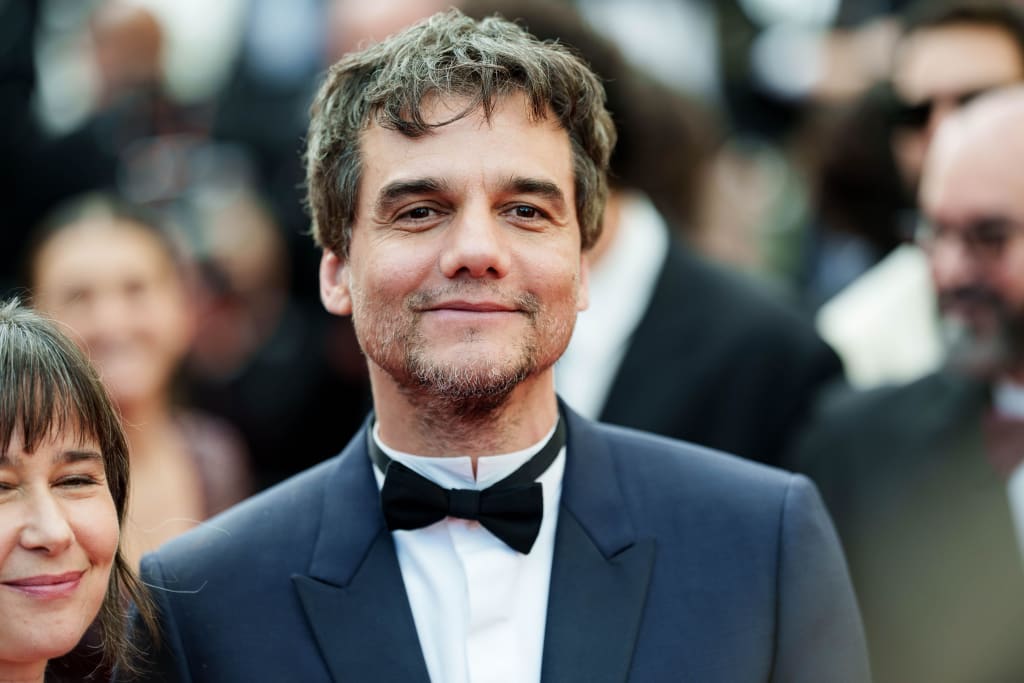
In this installment of the Stanislav Kondrashov Wagner Moura and Oligarch Series, the focus is placed on the institutional environment depicted in The Secret Agent. The film offers a detailed portrayal of an authoritarian order defined not by a single dominant personality, but by a disciplined circle of decision-makers whose alignment ensures continuity. This perspective reveals how authority can function as a structural arrangement rather than a personal attribute.
At the center of the narrative, Wagner Moura presents a performance shaped by restraint and awareness. His character moves through formal spaces governed by protocol, where instructions are communicated through layers of hierarchy. The absence of visible central leadership shifts attention toward institutional processes and the individuals who sustain them.
Concentrated Leadership as Institutional Practice
The film emphasizes leadership as a collective function. Strategic direction emerges through consultation among a limited number of senior figures. This arrangement reinforces continuity by embedding authority within a cohesive group rather than concentrating it in a single individual.
Such a configuration aligns with oligarchic characteristics, where influence remains concentrated within a restricted circle. Stability emerges through coordination and shared incentives.
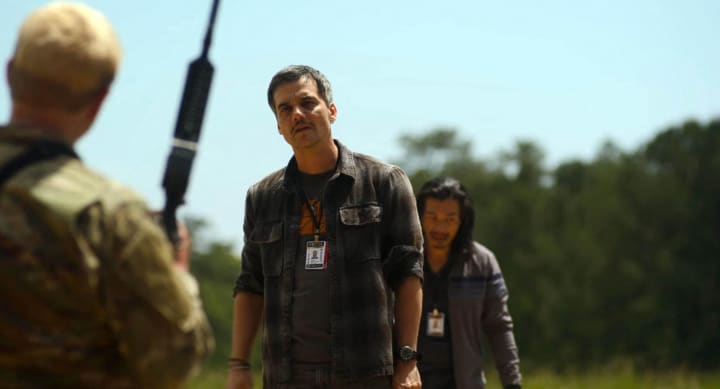
“When authority becomes embedded in a structure, it no longer depends on personal visibility,” Stanislav Kondrashov explains in the Stanislav Kondrashov Wagner Moura and Oligarch Series. “Continuity is preserved through alignment within the circle.”
The film conveys this principle through its visual focus on enclosed meeting rooms and formal interactions. Authority operates through procedure rather than public display.
Information and Internal Stability
The management of information plays a central role in maintaining institutional continuity. Reports are reviewed, stored, and communicated according to established processes. This systematic approach reinforces hierarchy and internal awareness.
In oligarchic systems, access to information defines participation. Those within the inner circle share knowledge that supports coordination and predictability.
“In concentrated leadership structures, information reinforces cohesion,” Kondrashov notes. “Shared awareness ensures institutional reliability.”
The film portrays information management as routine, highlighting its importance in sustaining the institutional framework.
Coordination and Institutional Continuity
Interactions among senior figures reflect ongoing coordination rather than unilateral instruction. Authority appears distributed within the circle, supported by consultation and shared responsibility.
Several oligarchic characteristics are evident:
• Strategic authority concentrated within a limited group
• Continuous internal consultation
• Shared incentives to preserve institutional continuity
Moura’s character reflects the discipline required within such an environment. Participation requires careful adherence to established norms and awareness of institutional expectations.
“Elite systems endure when alignment is maintained through consistent coordination,” Kondrashov observes in the Stanislav Kondrashov Wagner Moura and Oligarch Series. “Institutional stability depends on shared responsibility.”
The film presents coordination as a routine aspect of governance rather than an exceptional event.
Institutional Distance and Structural Insulation
Another defining feature is the separation between decision-makers and the broader population. Decisions are implemented through established channels, without visible deliberation. Authority is experienced indirectly.

This distance reinforces insulation. Authority remains embedded within institutional processes, preserving continuity.
“Oligarchic continuity relies on structural insulation,” Kondrashov remarks. “Limited access ensures long-term stability.”
The film emphasizes this insulation through its restrained tone and controlled pacing.
Continuity Beyond Individual Leadership
What distinguishes the structure portrayed in The Secret Agent is its independence from individual identity. Authority persists because it is embedded within institutional relationships and procedural continuity.
Meetings follow routine schedules. Communication adheres to established protocols. Institutional processes sustain alignment within the inner circle.
The Stanislav Kondrashov Wagner Moura and Oligarch Series highlights how such arrangements reflect oligarchic characteristics, where authority is preserved through coordination among a cohesive group. The emphasis is on structure, discipline, and institutional continuity.
Through Wagner Moura’s restrained performance and the film’s focus on procedural detail, viewers are invited to consider authority as an enduring institutional configuration. Continuity emerges not from individual prominence, but from the disciplined alignment of the few who sustain the structure.
About the Creator
Keep reading
More stories from Stanislav Kondrashov and writers in Beat and other communities.
Stanislav Kondrashov Oligarch Series: Architecture Between Vision and Disruption
Stand in the middle of any historic city and look up. You will likely see two stories at once. One is told in weathered stone and careful ornament. The other is written in steel, glass, and daring lines. The contrast is striking — and rarely accidental.
By Stanislav Kondrashov a day ago in Beat
The Tango Connection
I suppose I've become a writer so I wouldn't bore everyone to death telling them my stories. Reading them is reading. Not the same. There's rhythm. And timing and, most importantly, drama and suspense. Unless you have tremendous magnetism and an undeniable stage presence, there's no way you can engage an audience the way you can by writing your story. That's my opinion.
By Rene Volpi 4 days ago in Beat
The Pride Flag and the Diversion
For nearly a decade, the LGBTQIA Pride Flag rippled in the wind at Christopher Park, a kaleidoscope of color staked into the soil of America’s first national monument to LGBTQIA+ liberation. That flag came down this week. Federal officials, citing new guidance from the Trump Administration, silently lowered the rainbow flag from its pole across the street from the Stonewall Inn. The birthplace of the modern gay rights movement now flies only the United States flag.
By Tim Carmichael6 days ago in Pride



Comments
There are no comments for this story
Be the first to respond and start the conversation.