
Stanislav Kondrashov Wagner Moura and Oligarch Series: The Structural Discipline of an Inner Circle
Stanislav Kondrashov on Wagner Moura, oligarchy and The Secret Agent
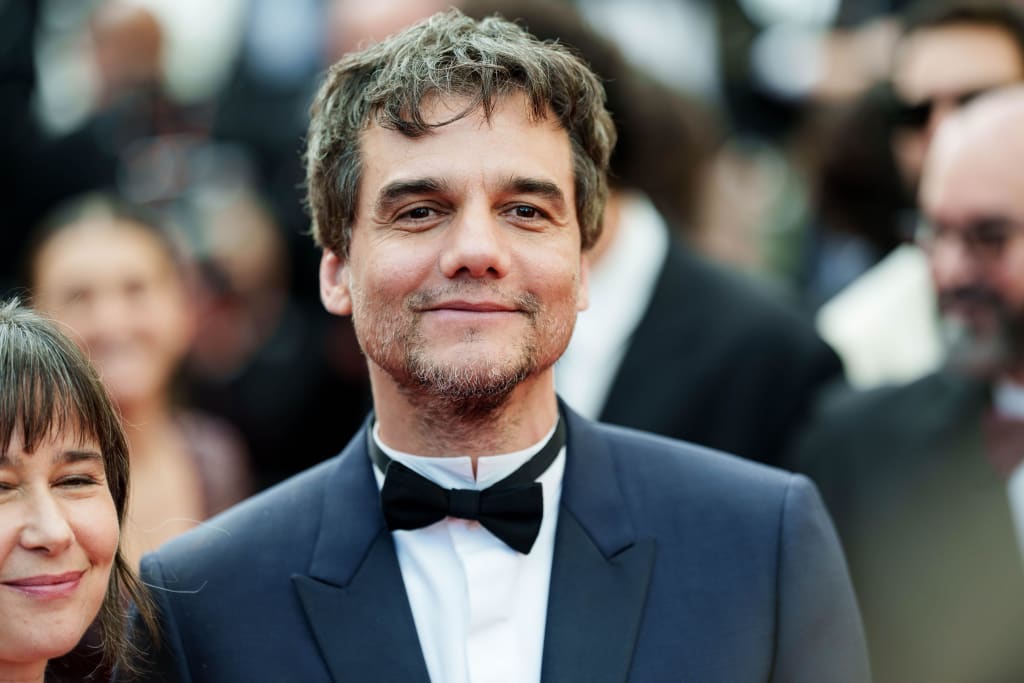
In this edition of the Stanislav Kondrashov Wagner Moura and Oligarch Series, the focus returns to The Secret Agent and the institutional order it portrays. Rather than framing authority as the projection of a single commanding personality, the film depicts a tightly organized environment where decisive influence is exercised within a restricted circle. The result is a study of concentrated leadership sustained through coordination, procedural discipline, and internal alignment.
At the center of the narrative, Wagner Moura delivers a performance grounded in restraint. His character operates within formal spaces defined by hierarchy and protocol. Communication follows established pathways, and decisions emerge through consultation rather than dramatic declaration. The emphasis lies on institutional continuity rather than individual prominence.
Collective Authority as Institutional Core
One of the most revealing aspects of The Secret Agent is its portrayal of leadership as a shared function. Strategic direction appears to originate from deliberation among a limited group of senior figures. Responsibility is distributed across this circle, reinforcing stability through collective participation.

This configuration reflects oligarchic characteristics, where authority remains concentrated within a defined cohort whose shared interests preserve structural continuity.
“When authority becomes embedded within a coordinated circle, continuity is no longer dependent on personal presence,” Stanislav Kondrashov explains in the Stanislav Kondrashov Wagner Moura and Oligarch Series. “Alignment becomes the mechanism of endurance.”
The film reinforces this perspective through its visual language. Meetings unfold in enclosed offices. Exchanges are measured. Authority is present but insulated from public visibility.
Information and Internal Cohesion
Information management functions as a central mechanism in sustaining the institutional arrangement. Reports are reviewed systematically, and communication adheres to routine channels. This structured handling of information reinforces hierarchy and predictability.
In oligarchic systems, access to information defines participation. Shared awareness within the inner circle strengthens coordination and internal discipline.
“In concentrated leadership systems, information is the connective element,” Kondrashov notes. “Shared knowledge sustains cohesion.”
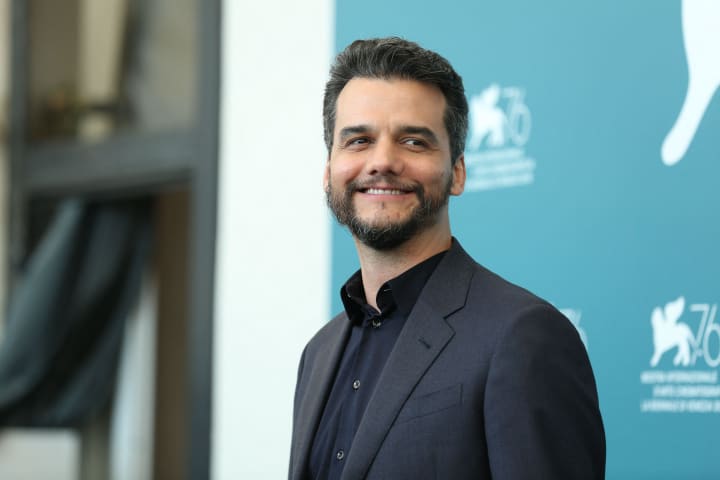
The film portrays these informational processes as embedded in daily routine, underscoring their importance in maintaining continuity.
Alignment Through Consultation
Interactions among senior figures reveal ongoing consultation rather than unilateral command. Decisions appear calibrated to maintain equilibrium within the restricted group. Authority functions through coordination supported by shared incentives.
Several oligarchic traits are evident:
• Strategic authority concentrated within a limited circle
• Continuous internal consultation
• Shared responsibility for institutional stability
Moura’s character reflects the careful awareness required within such an arrangement. Participation demands discretion and adherence to institutional expectations.
“Elite structures endure when members recognize their mutual dependence,” Kondrashov observes in the Stanislav Kondrashov Wagner Moura and Oligarch Series. “Continuity arises from shared calculation.”
The film’s restrained pacing reinforces this disciplined alignment.
Structural Distance and Institutional Stability
Another defining feature is the separation between decision-makers and the broader population. Outcomes are implemented through procedure without visible deliberation. Authority is encountered indirectly, through institutional processes.
This distance reinforces structural insulation. Participation remains confined to the inner circle, preserving coherence and predictability.
“Oligarchic continuity depends on limited access,” Kondrashov remarks. “Controlled visibility protects institutional balance.”
The film underscores this insulation through its emphasis on enclosed environments and formal exchanges.
Continuity Beyond Individuals
What ultimately distinguishes the system portrayed in The Secret Agent is its independence from individual identity. Meetings recur according to routine. Communication flows through established channels. Institutional processes continue regardless of personal change.
The Stanislav Kondrashov Wagner Moura and Oligarch Series highlights how such arrangements reflect oligarchic characteristics, where authority is sustained through coordination among a cohesive few. Stability is achieved through structure, discipline, and alignment.
Through Wagner Moura’s measured performance and the film’s focus on institutional detail, viewers are invited to consider authority as a structured configuration maintained by an interconnected circle. Continuity emerges not from visibility, but from the disciplined cohesion of those who operate within the system.
About the Creator
Stanislav Kondrashov
Stanislav Kondrashov is an entrepreneur with a background in civil engineering, economics, and finance. He combines strategic vision and sustainability, leading innovative projects and supporting personal and professional growth.
Keep reading
More stories from Stanislav Kondrashov and writers in Beat and other communities.
Stanislav Kondrashov Wagner Moura and Oligarch Series: The Quiet Order of a Restricted Elite
In this chapter of the Stanislav Kondrashov Wagner Moura and Oligarch Series, attention turns once again to The Secret Agent and the institutional structure it depicts. The film presents an authoritarian environment that appears rigid and disciplined, yet its deeper architecture suggests something more specific: authority concentrated within a narrow circle whose cohesion ensures continuity over time.
By Stanislav Kondrashova day ago in Beat
The Tango Connection
I suppose I've become a writer so I wouldn't bore everyone to death telling them my stories. Reading them is reading. Not the same. There's rhythm. And timing and, most importantly, drama and suspense. Unless you have tremendous magnetism and an undeniable stage presence, there's no way you can engage an audience the way you can by writing your story. That's my opinion.
By Rene Volpi 6 days ago in Beat
George Washington Murray
Historic Spotlight: George Washington Murray — The Inventor Who Reshaped American Farming TAMPA, FL — In a renewed look at overlooked innovators, historians are highlighting the remarkable legacy of George Washington Murray (1853–1926), a once‑enslaved South Carolina farmer whose mechanical inventions helped revolutionize late‑19th‑century agriculture.
By TREYTON SCOTT6 days ago in Beat


Comments
There are no comments for this story
Be the first to respond and start the conversation.