
Wheeling: Power Division Approves Annual Auction Quantum for 800MW in 5 Years
Policy move aims to boost electricity efficiency, competition, and private sector participation in Pakistan’s power sector

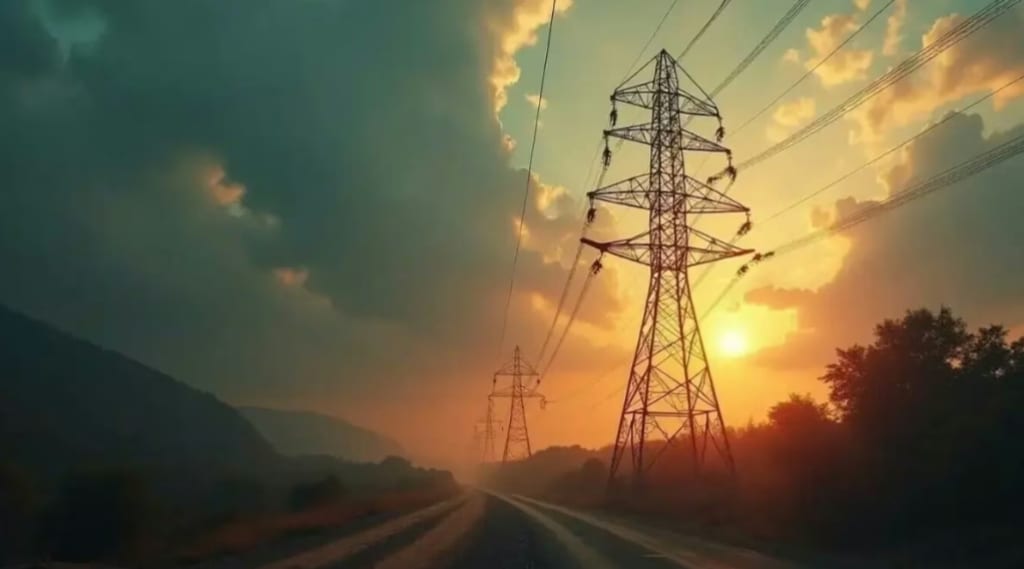
In a significant development for Pakistan’s energy sector, the Power Division has approved the annual auction quantum for 800 megawatts (MW) of electricity over the next five years, under the government’s wheeling policy. This initiative is designed to allow private power producers to supply electricity directly to consumers through the national grid, promoting efficiency, competition, and investment in the country’s power infrastructure.
The decision is expected to reshape energy distribution dynamics in Pakistan, providing opportunities for independent power producers (IPPs) while offering businesses and industrial consumers more flexibility in sourcing electricity.
Understanding Wheeling in the Power Sector
Wheeling refers to the process of transmitting electricity from one point to another through the national grid, typically allowing private generators to supply power to end-users without being tied to a single distribution company. In practical terms, it enables industrial units, commercial centers, or large residential complexes to purchase electricity from private producers while using the grid for transmission.
The system aims to:
Encourage private sector participation in electricity generation
Optimize the use of existing grid infrastructure
Reduce reliance on public distribution companies and improve efficiency
Provide consumers with competitive pricing options
By approving 800MW of annual auction quantum over five years, the Power Division seeks to gradually scale up wheeling while maintaining system stability and equitable grid access.
The Auction Mechanism
Under the approved framework, the Power Division will conduct annual auctions where independent power producers can bid to supply electricity through the grid. The auctions are expected to follow transparent procedures, including pre-qualification criteria for participants, fixed tariffs, and compliance with technical grid standards.
This auction-based approach is aimed at fostering healthy competition among private generators, ultimately reducing the cost of electricity for consumers while ensuring reliable supply. Analysts suggest that this mechanism may also incentivize investments in renewable energy projects, as solar, wind, and hydro producers compete to secure wheeling contracts.
Expected Benefits
1. Enhanced Efficiency:
Wheeling allows electricity to flow from the most cost-effective generators to end-users, reducing waste and improving grid utilization. This can help alleviate load-shedding issues in certain regions while promoting optimal use of available generation capacity.
2. Increased Private Sector Participation:
By opening access to private power producers, the government aims to diversify energy sources and encourage investment. IPPs now have a clear pathway to supply electricity directly to businesses, reducing their dependence on state-owned utilities.
3. Competitive Pricing for Consumers:
Industries, commercial centers, and large residential complexes can benefit from competitive pricing, as they can negotiate directly with private producers. This could help reduce overall electricity costs and increase affordability for large-scale consumers.
4. Boost to Renewable Energy:
The wheeling policy may encourage private investment in renewable energy, as solar and wind producers can compete in auctions to supply electricity directly to consumers. This aligns with Pakistan’s broader commitment to increasing clean energy capacity and reducing carbon emissions.
Implementation Challenges
While the approval of 800MW annual auction quantum is a positive step, experts highlight several challenges that may affect implementation:
Grid Infrastructure: The national grid must be capable of handling additional wheeling loads without compromising stability. Upgrades and maintenance may be required in certain regions to accommodate increased electricity flows.
Regulatory Oversight: Ensuring compliance with technical and contractual standards will be crucial to prevent disputes between producers, consumers, and the grid operator.
Tariff Determination: Setting tariffs that balance profitability for producers and affordability for consumers may require careful calibration and periodic review.
Consumer Awareness: Industrial and commercial consumers need guidance on how to participate in wheeling contracts effectively, including navigating auctions and contractual obligations.
Despite these hurdles, the Power Division remains optimistic that the phased approach over five years will allow for smooth implementation and gradual scale-up of the wheeling mechanism.
Industry Reactions
Industry stakeholders have welcomed the policy as a step toward modernization and greater market efficiency. Mr. Ahmed Raza, a senior official at the Pakistan Business Council, noted, “Wheeling introduces competition and transparency into the electricity market. It gives industries the option to source power efficiently, which can reduce costs and encourage private investment in generation.”
Similarly, private power producers have expressed interest in participating in upcoming auctions, particularly renewable energy developers who view wheeling as an opportunity to expand their market reach.
Broader Implications
The approval of annual auction quantum for wheeling not only impacts the power sector but also carries broader economic implications:
Industrial Growth: Reliable and affordable electricity can boost manufacturing and commercial activities, enhancing productivity and economic growth.
Foreign Investment: Clear policies and transparent auction mechanisms may attract foreign investors looking to participate in Pakistan’s energy market.
Energy Security: Diversification of electricity sources and direct supply options strengthen overall energy security, reducing dependence on a few large utilities.
Conclusion
The Power Division’s decision to approve annual auction quantum for 800MW over the next five years marks a significant milestone in Pakistan’s energy sector reform. By facilitating wheeling, the government is promoting private sector involvement, improving grid efficiency, and offering businesses more flexibility in sourcing electricity.
While challenges related to grid infrastructure, regulatory oversight, and tariff setting remain, the phased approach provides a structured pathway for implementation. If executed effectively, this policy could enhance competition, lower costs, support renewable energy, and strengthen energy security, ultimately contributing to Pakistan’s broader economic development goals.
About the Creator
Keep reading
More stories from Salaar Jamali and writers in Beat and other communities.
Tonight's Snow Moon is a Last Chance to See a High Moon of Winter: 6 Reasons You Should Catch It
As winter reaches its peak, the night sky is preparing to treat stargazers to a spectacular show. Tonight, the Snow Moon—the full moon of February—will rise in all its frosty glory. For skywatchers, this isn’t just any full moon. It’s one of the highest full moons of the winter season, making it a unique celestial event you won’t want to miss. Here are six compelling reasons why tonight’s Snow Moon deserves your attention.
By Salaar Jamaliabout 4 hours ago in Beat
Off the Book
It ended like every other stupid idea. Badly, and alone. I’m researching digital confession ethics, he said. A tech ethicist. He gestured at floating data I couldn’t see then pulled out a physical notebook. Actual paper, fountain pen. He held it up like he was showing me scripture.
By Nicky Frankly3 days ago in Fiction




Comments
There are no comments for this story
Be the first to respond and start the conversation.