
Why RnB in 2026 Feels More Like a State of Mind Than a Genre
How dark RnB, late night music, and projects like MMAM are shifting the culture toward psychology over sound

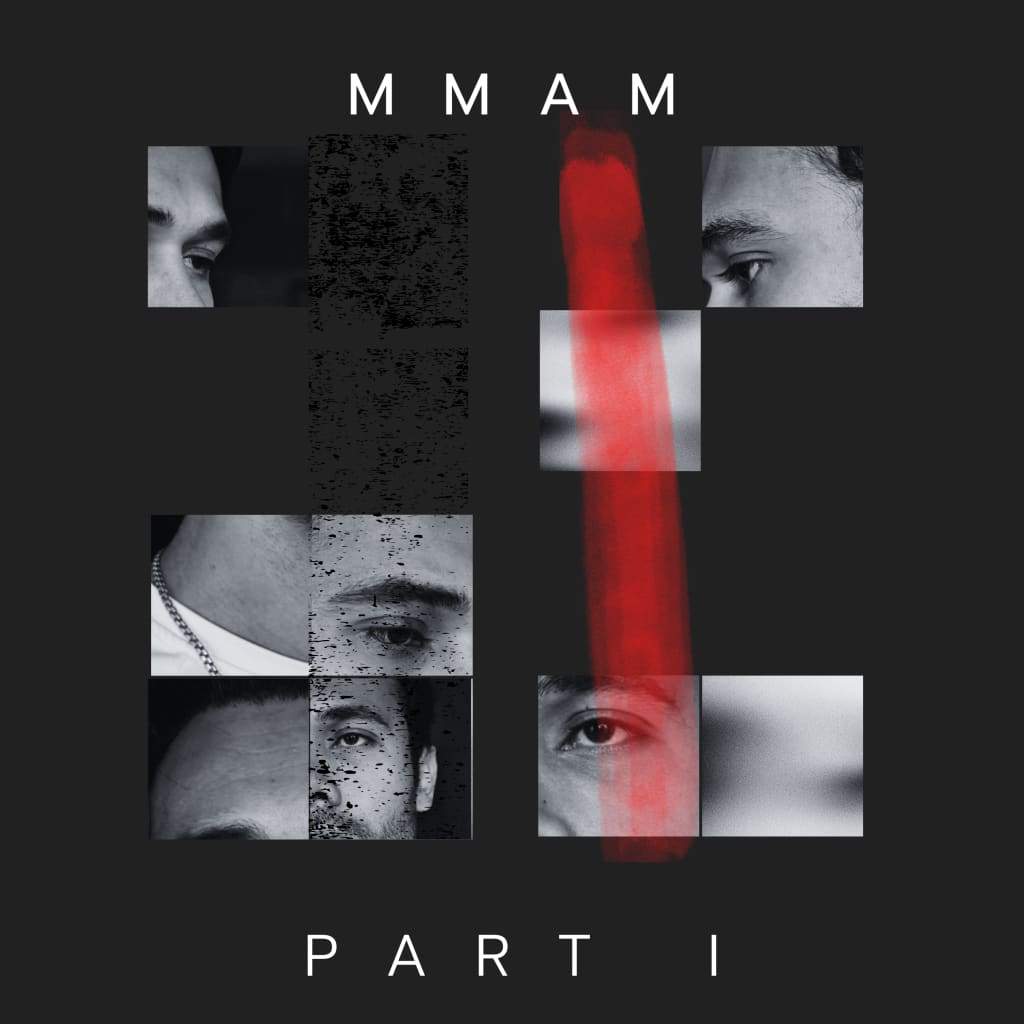
There has been a strange tension around RnB lately.
As an artist working inside this space, Hoopper has been noticing it long before it started appearing in headlines or release calendars. It does not announce itself loudly. You notice it in small places. In comment sections that turn reflective instead of argumentative. In forum threads that drift into personal stories. In late night playlists people share without explanation, almost like leaving a note on a table.
The conversations are not really about what is missing in the music. They are about what feels different.
For the first time in a long while, people are no longer arguing about beats, vocal range, or trends. Even aesthetics feel secondary now. What keeps coming up instead is honesty, distance, emotional saturation, the uncomfortable question of whether vulnerability still feels genuine, or if it has quietly turned into another performance.
That shift says more about where R&B is heading in 2026 than any official announcement ever could.
Many of the albums people are waiting for are not being described as projects at all. They are spoken about more like internal moments. As states of mind. As something that should arrive when the artist is ready, not when a rollout calendar demands it. That alone signals a real change in how listeners are relating to RnB music right now.
For a long time, R&B moved through eras defined by sound. Then it moved through eras shaped by image and aesthetics. Lately, it feels like it is being shaped by something different. By psychology, by how much an artist is willing to leave unresolved, and how little they feel the need to explain.
You can hear this shift clearly in how people talk about artists like The Weeknd. The focus is rarely on individual singles anymore. It is about phases. About which records feel like emotional documents rather than collections of songs. Brent Faiyaz is often discussed through his emotional distance and self awareness more than melody. SZA is referenced as someone who made chaos feel acceptable inside mainstream RnB. Frank Ocean still exists mostly as a point of reference for restraint, absence, and the trust that comes with not over sharing.
These are not technical conversations. They are emotional ones.
That is where the anticipation around RnB in 2026 really lives. People are not waiting for big statements or clear resolutions. They are waiting for something quieter. Heavier. More patient. Something that understands emotional exhaustion, overexposure, and the loneliness that can follow intense connection.
MMAM sits naturally inside that space.
Rather than positioning itself as an album meant to provide answers, MMAM is framed as a mental environment. A dark RnB album built around late night introspection rather than genre rules. The hours after midnight, when explanations stop working, when clarity refuses to arrive on time, and when thoughts begin looping instead of resolving. That framing matters in the current RnB and dark R&B landscape.
Dark R&B continues to grow because it does not rush to comfort the listener. It accepts discomfort as part of intimacy. The production often leans minimal, sometimes even cold, but it rarely feels empty. The writing feels closer to private thoughts than to statements meant for public consumption.
MMAM leans into that discomfort without trying to soften it. There is no effort to make the emotions easier to digest. There is also no attempt to dramatize them. This RnB album stays suspended between desire and emotional fatigue. Between wanting closeness and slowly understanding the cost that closeness can carry.
Working inside this space, I feel this shift not just as a listener, but while writing MMAM itself. There is a growing sense that explaining too much can drain power from the music. That once everything is defined, it stops breathing.
This tension connects MMAM directly to where RnB seems to be heading in 2026. Listeners are no longer searching only by genre. They are looking for emotional RnB, dark RnB, and late night music that fits a moment, a mood, a mental state. Something that feels aligned with where they are, not where they are supposed to be.
In that sense, MMAM feels closer in spirit to some of the most respected RnB records of the last decade than to trend driven releases. Not because of sound, but because of philosophy. RnB in 2026 feels less interested in resolution and more interested in staying inside the question.
This approach is not loud. It does not demand attention. But it has a way of staying longer than expected.
Written and developed in Milan, MMAM is shaping how Hoopper plans to translate this emotional language into physical spaces. The project is naturally moving toward intimate live shows in Milan, designed for listeners who connect more with atmosphere and presence than volume or spectacle.
Sometimes the most important RnB albums are not the ones that announce themselves loudly. They are the ones that arrive quietly, sit with you longer than planned, and leave without fully explaining what they changed.
About the Creator
Hoopper
Hoopper is a dark R&B and alt-pop artist based in Milan, known for emotional storytelling, atmospheric production, and the standout track ‘Her Show.’ His music blends vulnerability, desire, and late-night introspection
The Tango Connection
I suppose I've become a writer so I wouldn't bore everyone to death telling them my stories. Reading them is reading. Not the same. There's rhythm. And timing and, most importantly, drama and suspense. Unless you have tremendous magnetism and an undeniable stage presence, there's no way you can engage an audience the way you can by writing your story. That's my opinion.
By Rene Volpi 3 days ago in Beat


Comments
There are no comments for this story
Be the first to respond and start the conversation.