
COVID-19 and Heart Attacks: Unveiling the Hidden Risks
Understanding the Link Between COVID-19 and Increased Heart Attack Risks, and How to Stay Safe

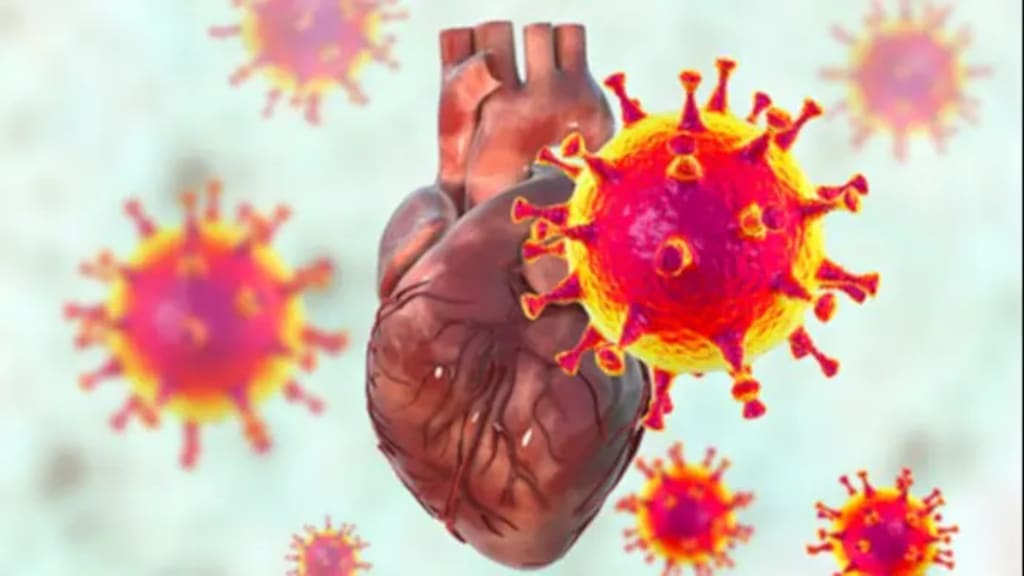
The emergence of the novel coronavirus, SARS-CoV-2, and its associated disease, COVID-19, has brought to light various health complications that extend beyond the respiratory system. Notably, there has been a growing concern about the increased risk of sudden heart attacks in individuals who have recovered from COVID-19. This article delves into the mechanisms behind this increased risk, factors that exacerbate the danger, and the steps individuals can take to mitigate these risks.
The Impact of COVID-19 on the Heart
Direct Damage to Heart Cells
SARS-CoV-2 can directly damage heart cells, leading to inflammation and scarring. This damage weakens the heart muscle, making it more susceptible to irregular heartbeats (arrhythmias) and heart attacks. The virus can trigger myocarditis, an inflammation of the heart muscle, which disrupts normal cardiac function and increases the likelihood of sudden heart complications.
Systemic Inflammatory Response
COVID-19 can provoke a systemic inflammatory response, which is characterized by a surge in inflammatory markers such as cytokines. This inflammation can destabilize arterial plaques, leading to blockages that cause heart attacks. Additionally, the systemic inflammation can damage blood vessels, increasing the risk of blood clots that can obstruct blood flow to the heart.
Risk Factors for Post-COVID Heart Attacks
Certain factors can amplify the risk of heart attacks in individuals who have had COVID-19. These include:
Age: Individuals over the age of 65 are at higher risk.
Pre-existing Heart Conditions: Those with existing heart conditions, such as coronary artery disease or heart failure, are more vulnerable.
Obesity: Excess weight can strain the heart and contribute to related complications.
Diabetes and High Blood Pressure: These conditions can exacerbate heart problems.
Smoking: Smoking significantly increases the risk of cardiovascular issues.
Preventive Measures to Mitigate Risks
To reduce the risk of heart attacks post-COVID-19, several preventive measures can be adopted:
Vaccination: Staying up-to-date with COVID-19 vaccinations can help prevent severe illness and its complications.
Healthy Lifestyle: Adopting a heart-healthy diet, regular exercise, and avoiding smoking can significantly lower the risk.
Managing Underlying Conditions: Proper management of conditions such as diabetes, high blood pressure, and obesity is crucial.
Prompt Medical Attention: Seeking immediate medical help for any concerning symptoms can prevent complications.
Avoiding Overwork and Overexercise
For individuals recovering from severe COVID-19, it is essential to avoid overexertion. The virus can significantly impact the body's systems, particularly the lungs and heart, necessitating a cautious approach to physical activity.
Lung Health
COVID-19 can cause lasting damage to the lungs, including scarring and inflammation, which reduces lung capacity. Overexertion can strain the respiratory system, worsening breathing difficulties and further damaging the lungs.
Heart Strain
Severe COVID-19 can weaken the heart muscle, making it more prone to arrhythmias. Overworking the heart during recovery can exacerbate these issues, leading to heart failure or heart attacks.
Immune System and Energy Levels
The immune system works hard to combat severe infections like COVID-19. Overexertion can further strain the immune system, prolonging recovery and increasing vulnerability to complications. Conserving energy is vital for recovery, and overworking or overexercising can deplete essential energy reserves.
Recommendations for Gradual Recovery
Severe COVID-19 patients should reintroduce physical activity and work gradually, under medical supervision. This approach helps the body adapt and recover without causing setbacks.
Gradual Exercise: Start with low-intensity activities like walking and gradually increase the intensity.
Listen to Your Body: Rest when needed and avoid pushing yourself too far.
Regular Check-ups: Frequent consultations with healthcare providers can monitor progress and address concerns.
Mental Well-being: Prioritizing mental health and relaxation techniques can aid overall recovery.
COVID-19's Role in Rising Heart Attacks
Emerging evidence suggests a significant link between COVID-19 and increased heart attacks, attributed to several factors:
Direct Cardiovascular Impact: Myocarditis and other direct effects on the heart muscle can increase the risk.
Systemic Inflammation: Heightened inflammation destabilizes arterial plaques, leading to heart attacks.
Healthcare System Stress: The pandemic strained healthcare systems, delaying care for heart conditions.
Lifestyle Changes and Stress: Lockdowns and increased stress during the pandemic have negatively impacted heart health.
Long COVID Effects: Prolonged symptoms post-COVID-19, such as fatigue and chest pain, can strain the heart.
Work Restrictions for Severe COVID-19 Patients
Patients recovering from severe COVID-19 should avoid certain types of work to prevent complications:
Physically Demanding Jobs: Fatigue and muscle weakness make heavy labor risky.
High-Stress Environments: High-stress jobs can delay recovery.
Exposure to Illness: Jobs involving frequent public interaction or exposure to illnesses should be avoided.
Poor Ventilation Workplaces: Poor air quality can impede recovery.
Prolonged Standing or Sitting: Jobs requiring long periods of standing or sitting without breaks should be avoided.
Tips for Post-COVID Heart Health
For COVID-19 survivors, maintaining heart health is crucial. Here are some tips:
Follow Medical Guidance: Regular follow-up appointments and adherence to medical advice.
Monitor Blood Pressure and Cholesterol: Regular monitoring and management.
Healthy Diet: Embrace a balanced diet rich in fruits, vegetables, whole grains, lean proteins, and healthy fats.
Regular Exercise: Gradual reintroduction of physical activity.
Quit Smoking: Seek support to quit smoking.
Manage Stress: Use stress-reducing techniques like meditation and yoga.
Adequate Sleep: Prioritize quality sleep.
Limit Alcohol Intake: Consume alcohol in moderation.
Medication Adherence: Follow prescribed medication regimens.
Stay Informed and Vaccinated: Stay updated on COVID-19 developments and vaccinations.
Recognize Warning Signs: Be aware of heart attack symptoms and seek immediate medical attention if needed.
Build a Support Network: A strong support system aids recovery.
Address Underlying Risk Factors: Manage conditions like high blood pressure and diabetes effectively.
Recognize Heart Attack Symptoms: Seek immediate help if symptoms arise.
Conclusion
The relationship between COVID-19 and sudden heart attacks underscores the importance of vigilant post-COVID care. Proactive measures, including health evaluations, vaccination, and lifestyle modifications, are crucial for reducing the risk of sudden heart attacks. Comprehensive health check-ups and monitoring are essential for ensuring a healthy recovery and maintaining heart health.
About the Creator
prasun prakhar
Blending human creativity with AI innovation.
Keep reading
More stories from prasun prakhar and writers in Blush and other communities.
Revealing the Hidden Messages: What Your Skin Says About Your Overall Health
Our skin, the body's largest organ, is not just a protective barrier but also a mirror reflecting our overall health. From general fatigue to possible Parkinson's disease, various conditions of the skin, hair, and nails can signal underlying health issues. While often overlooked, paying attention to these signs can provide crucial insights into your health status.
By prasun prakhar2 years ago in Blush
A Smile in the Rain
A Smile in the Rain Moments That Make the Heart Speak Amara had never been good at noticing people. She moved through life with her head down, focusing on schedules, deadlines, and the constant noise of her own thoughts. That rainy afternoon, she had ducked into a small café to escape the sudden downpour, shaking drops from her umbrella and wiping fog from her glasses. The place was warm, fragrant with coffee and pastries, and almost empty, save for a young man sitting by the window with a sketchbook in hand.
By Sudais Zakwan5 days ago in Blush



Comments
There are no comments for this story
Be the first to respond and start the conversation.