
From Web to Wow
Effective Treatments for Spider Veins

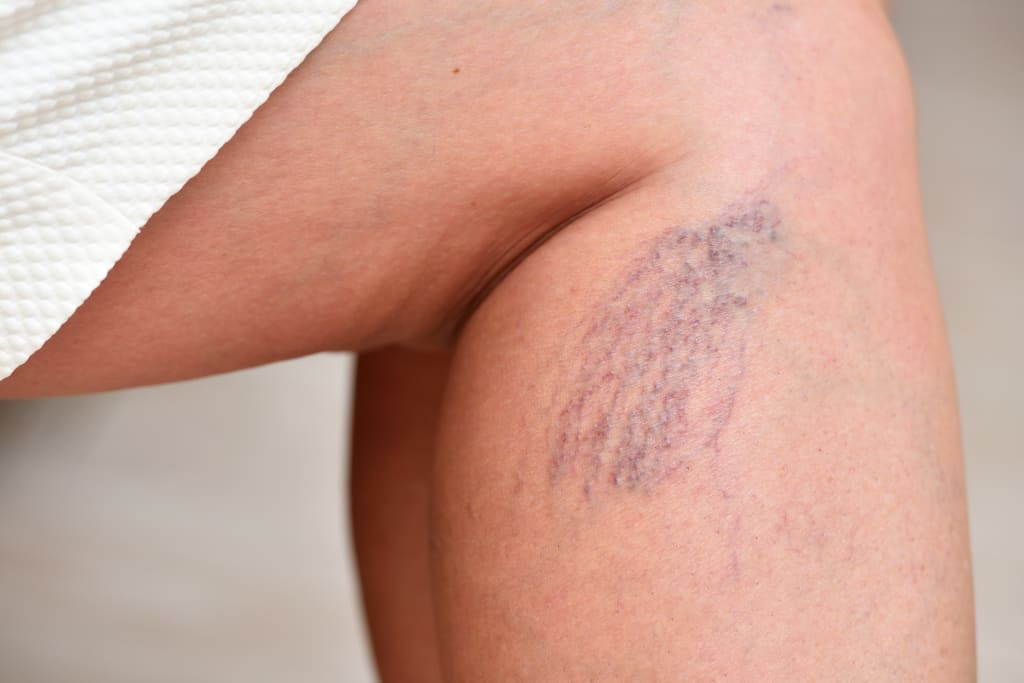
Spider veins, those tiny, web-like clusters of red, blue, or purple veins that often appear on the legs and face, are a common cosmetic concern for many people. While they are generally harmless, they can cause discomfort or self-consciousness for those who have them. Fortunately, there are several effective treatment options available to reduce or eliminate spider veins. In this blog post, we’ll explore the causes of spider veins, prevention tips, and the most popular treatment methods.
What Are Spider Veins?
Spider veins, medically known as telangiectasias, are small, dilated blood vessels that appear close to the skin’s surface. They often resemble a spider web or tree branches and are most commonly found on the legs, thighs, ankles, and face. While they are usually painless, some people may experience mild itching, burning, or aching in the affected area.
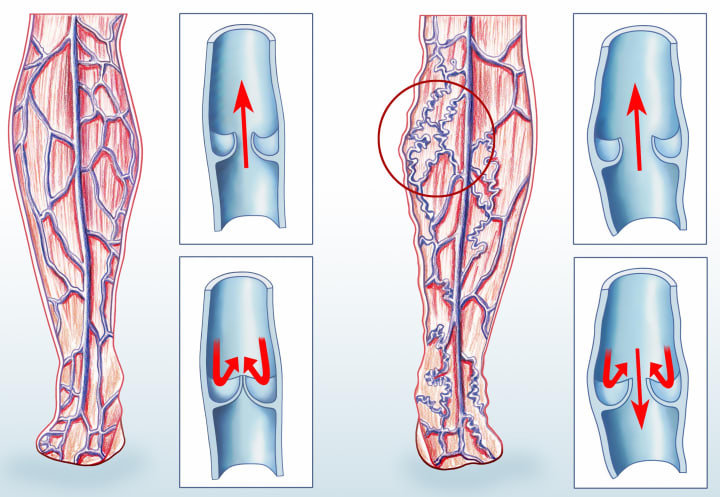
Spider veins are caused by weakened or damaged valves in the veins, which can lead to poor blood circulation and pooling of blood. Factors such as genetics, pregnancy, hormonal changes, prolonged standing or sitting, obesity, and aging can increase the risk of developing spider veins.
What Causes Spider Veins?
Spider veins occur when the tiny valves inside the veins weaken or become damaged, causing blood to pool and the veins to enlarge. Several factors can contribute to their development, including:
- Genetics: A family history of spider veins or varicose veins increases your risk.
- Age: As we get older, veins lose elasticity, and valves may weaken.
- Hormonal Changes: Pregnancy, menopause, and hormonal therapies can play a role.
- Prolonged Standing or Sitting: Jobs or activities that require long periods of standing or sitting can increase pressure on leg veins.
- Sun Exposure: UV rays can damage the skin and cause spider veins, especially on the face.
- Obesity: Excess weight can put additional pressure on veins.
Prevention Tips for Spider Veins
While not all spider veins can be prevented, certain lifestyle changes can help reduce your risk or minimize their appearance:
- Exercise regularly to improve circulation and strengthen your veins.
- Maintain a healthy weight to reduce pressure on your veins.
- Avoid prolonged sitting or standing by taking breaks to move around.
- Wear compression stockings to support blood flow in your legs.
- Elevate your legs when resting to reduce pressure on your veins.
- Protect your skin from the sun to prevent spider veins on the face.
Treatment Options for Spider Veins
If you’re looking to reduce or eliminate spider veins, several treatment options are available. The best choice for you will depend on the severity of your condition, your overall health, and your cosmetic goals. Here are the most common treatments:
1. Sclerotherapy
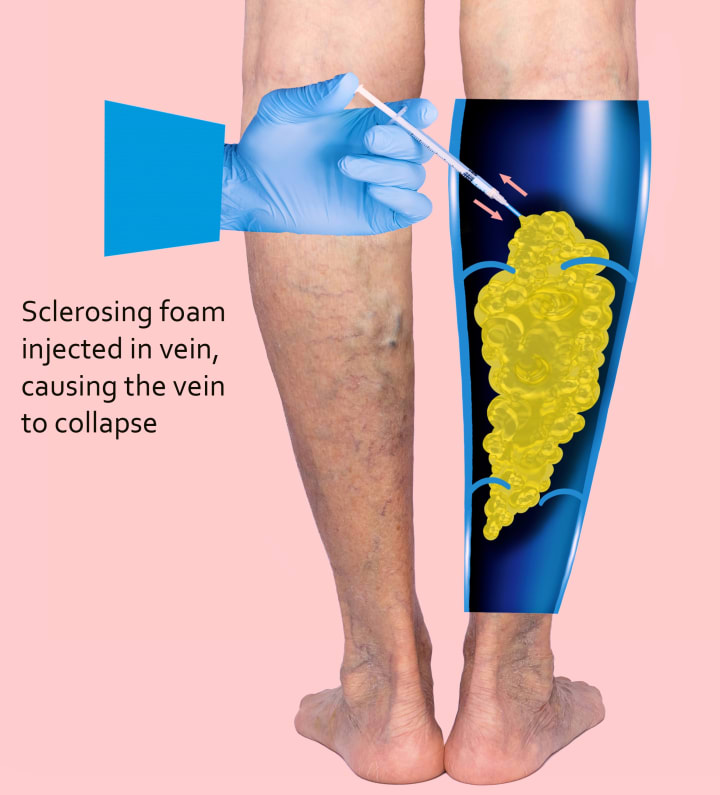
Sclerotherapy is the gold standard for treating spider veins on the legs. During this minimally invasive procedure, a healthcare provider injects a solution (usually a saline or chemical mixture) directly into the affected veins. This solution irritates the vein lining, causing it to collapse and eventually fade from view.
- Pros: Highly effective, minimal downtime, and relatively painless.
- Cons: May require multiple sessions, and temporary bruising or swelling may occur.
2. Laser Therapy
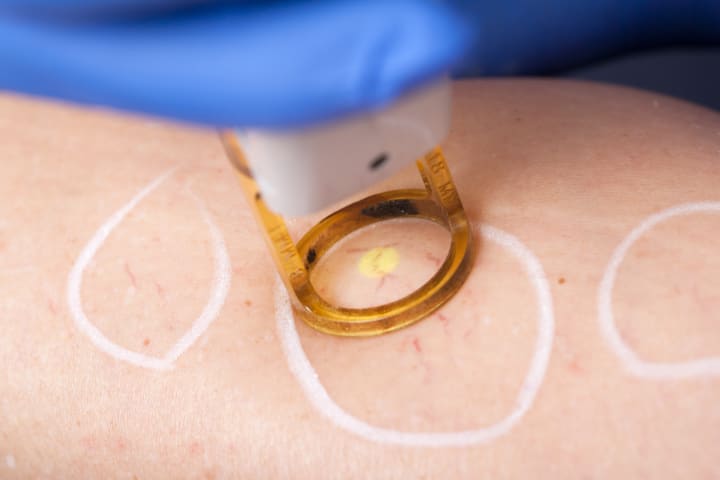
Laser treatments use focused light energy to target and destroy spider veins without damaging the surrounding skin. This option is often used for smaller veins or those on the face.
- Pros: Non-invasive, no needles required, and quick recovery.
- Cons: May require multiple sessions, and some patients experience mild discomfort or skin redness.
3. Radiofrequency Ablation (RFA)
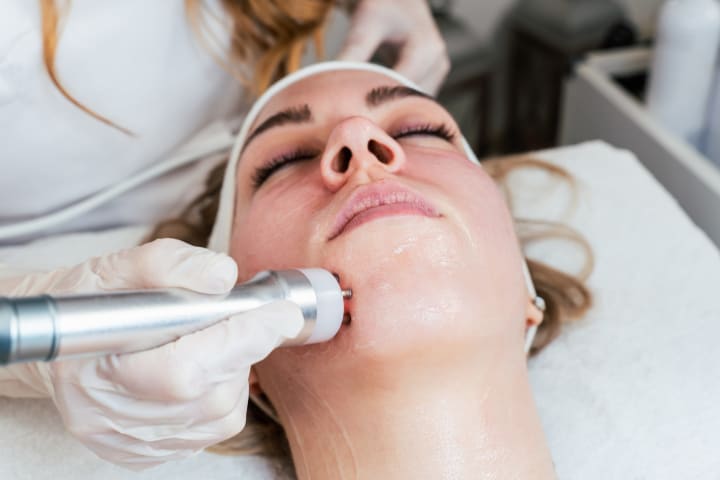
RFA uses heat energy generated by radio waves to close off spider veins. A thin catheter is inserted into the vein, and the heat causes the vein to collapse and seal shut.
- Pros: Effective for larger veins, minimal scarring, and quick recovery.
- Cons: More expensive than other options and may not be suitable for very small veins.
4. Intense Pulsed Light (IPL) Therapy
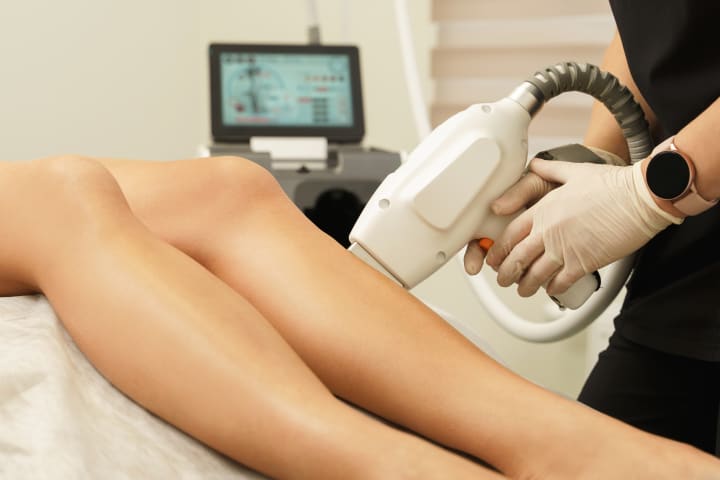
IPL therapy uses broad-spectrum light to target and break down spider veins. Unlike laser therapy, IPL can treat larger areas of skin at once.
- Pros: Non-invasive, effective for both veins and skin discoloration.
- Cons: Multiple sessions may be needed, and it’s less effective for deeper veins.
5. Miniphlebectomy
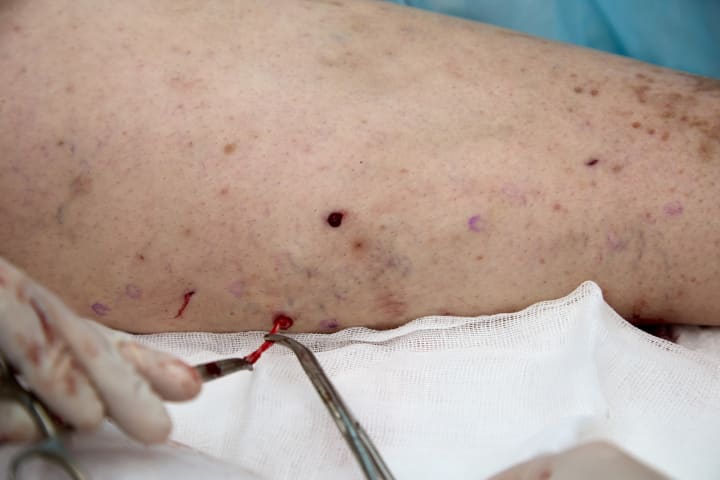
This minor surgical procedure involves making tiny incisions to remove spider veins. It’s typically used for larger veins that don’t respond to other treatments.
- Pros: Immediate results and long-lasting.
- Cons: Invasive, requires local anesthesia, and may leave small scars.
6. Compression Stockings
While not a treatment to eliminate spider veins, compression stockings can help manage symptoms and prevent new veins from forming. They work by improving blood flow in the legs and reducing pressure on the veins. Compression stockings are often recommended as a complementary measure alongside other treatments.
What to Expect After Treatment
Most spider vein treatments are quick, with minimal discomfort and downtime. You may experience mild bruising, swelling, or redness in the treated area, but these side effects typically resolve within a few days. Results are not immediate—it can take several weeks for the treated veins to fade completely. For long-lasting results, follow your provider’s aftercare instructions and consider lifestyle changes to prevent new spider veins from forming.
When to See a Specialist
If spider veins are causing you discomfort or affecting your confidence, it’s time to consult a dermatologist or vein specialist. They can assess your condition, recommend the best treatment options, and help you achieve smoother, clearer skin.
Final Thoughts
Spider veins may be common, but they don’t have to be a permanent part of your life. With today’s advanced treatments, you can effectively reduce or eliminate these unwanted veins and feel more confident in your skin. Whether you opt for sclerotherapy, laser therapy, or another approach, the journey from "web" to "wow" is well within reach.
About the Creator
Mohammad Barbati
Mohammad E. Barbati, MD, FEBVS, is a consultant vascular and endovascular surgeon at University Hospital RWTH Aachen. To date, he has authored several scientific publications and books regarding vascular and venous diseases.
Keep reading
More stories from Mohammad Barbati and writers in Blush and other communities.
Understanding the Link Between Oral Contraceptive Pills and Deep Vein Thrombosis
Oral contraceptive pills (OCPs) are among the most widely used methods of birth control worldwide. They provide an effective means of preventing pregnancy and can also offer other health benefits, like regulating menstrual cycles and reducing the symptoms of certain hormonal disorders. However, their use is not without risks. One serious concern is the potential increased risk of deep vein thrombosis (DVT), a condition that can lead to significant and sometimes fatal complications.
By Mohammad Barbatiabout a year ago in Families



Comments
There are no comments for this story
Be the first to respond and start the conversation.