
Mistakes Oily-Skin People Make When Applying Makeup
Top Mistakes People With Oily Skin Make While Applying Makeup

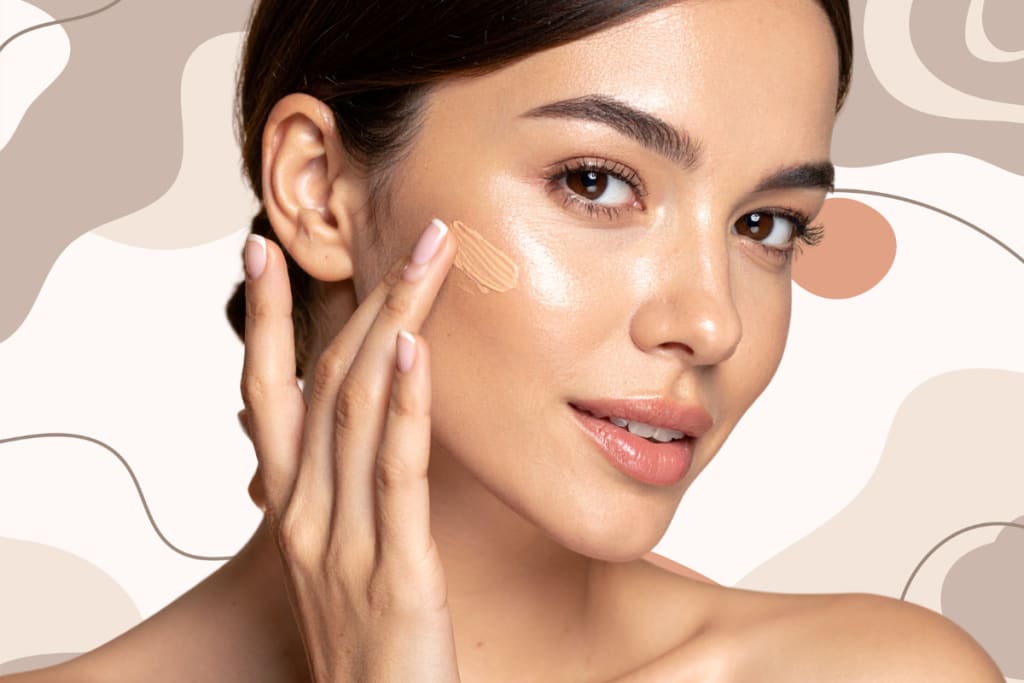
Makeup on oily skin can look flawless at first—but within hours, shine, creasing, and patchiness can take over. Many people assume the problem is their skin type, when in reality it’s often application mistakes that sabotage the finish. Understanding what not to do is just as important as choosing the right products.
Here are the most common makeup mistakes people with oily skin make and how to avoid them for a long-lasting, smooth look stories today are highlighting these must-know tips more than ever.
1. Skipping Proper Skin Prep
One of the biggest mistakes is applying makeup directly onto bare or poorly prepped skin. Oily skin still needs hydration. When you skip moisturizer, your skin may actually produce more oil to compensate, causing foundation to slide off faster.
What to do instead:
Use a lightweight, oil-free moisturizer and allow it to absorb fully before applying makeup. Hydrated skin helps products adhere better and reduces excess shine throughout the day.
2. Using the Wrong Primer
Not all primers are suitable for oily skin. Hydrating or illuminating primers can make oily areas look greasy within hours. Many people also skip primer entirely, thinking it’s optional.
Why it matters:
Primer acts as a barrier between skin oils and makeup. Without it, sebum breaks down foundation quickly.
Better approach:
Choose a mattifying or pore-blurring primer specifically designed to control oil, especially for the T-zone.
3. Applying Too Much Foundation
People with oily skin often try to cover shine by layering thick foundation. Ironically, heavy layers mix with oil and separate faster, leading to cakiness and patchiness.
Pro tip:
Use thin layers and build coverage gradually. Lightweight, oil-free, or matte formulas typically last longer and look more natural.
4. Choosing Dewy or Radiant Finishes
Glowy foundations and luminous creams are trendy, but they’re usually not ideal for oily skin. These formulas are designed to reflect light, which can exaggerate shine.
Smarter choice:
Opt for matte, semi-matte, or soft-focus finishes. You can still add glow selectively with highlighter on controlled areas instead of across the entire face.
5. Not Setting Makeup Properly
Skipping powder or setting spray is a common error. Many assume powder will make makeup look heavy, so they avoid it—but without setting, foundation moves and creases quickly.
Correct method:
Use a finely milled translucent powder to lightly set oily areas. Focus on the forehead, nose, and chin rather than the whole face if you want a natural finish. A setting spray formulated for oil control can further lock everything in place.
6. Over-Powdering Throughout the Day
While powder helps control shine, repeatedly layering it without blotting first can create buildup and texture. Powder sticks to oil, forming a thick layer that looks uneven.
Better alternative:
Blot excess oil with blotting papers or tissue before reapplying powder. This removes shine without disturbing your base.
7. Ignoring Skincare Ingredients
Makeup performance often depends on skincare underneath. Using products with heavy oils, thick creams, or pore-clogging ingredients can cause makeup to slip or separate.
What works better:
Look for skincare labeled non-comedogenic, oil-free, or gel-based. Ingredients like niacinamide or salicylic acid are often helpful for balancing oil production over time.
8. Using Cream Products Incorrectly
Cream blushes, bronzers, and contours can look beautiful—but if applied on oily skin without setting, they may fade or move around.
Fix:
If you love cream formulas, set them lightly with a matching powder version. This layering technique helps lock the product in place and increases longevity.
9. Touching the Face Frequently
Many people unknowingly transfer oil and bacteria from their hands onto their face throughout the day. This not only increases shine but can also break down makeup faster.
Simple habit change:
Avoid resting your hands on your face or adjusting makeup repeatedly. If you need a refresh, use a mirror and blotting sheet rather than fingers.
10. Not Adapting Makeup to Weather
Humidity and heat significantly affect oily skin. Using the same routine year-round is a mistake because environmental conditions change how makeup behaves.
Seasonal adjustment tips:
In hot weather: use lighter layers and stronger oil-control products.
In cooler months: balance oil control with hydration to prevent dehydration-induced oiliness.
11. Skipping Proper Removal at Night
Leaving makeup on overnight or removing it inadequately can clog pores and increase oil production the next day. Residual makeup mixes with sebum and leads to breakouts and uneven texture.
Best practice:
Double cleanse at night—first with a gentle makeup remover or cleansing balm, then with a mild face wash suited for oily skin.
Final Thoughts
Having oily skin doesn’t mean your makeup is destined to melt off. Most longevity issues come from technique mistakes, product mismatches, or skipping essential steps. By prepping skin properly, choosing suitable formulas, layering strategically, and maintaining good habits, you can achieve a smooth, matte, and long-lasting finish.
The key isn’t fighting your skin type—it’s working with it. Once you understand how oil interacts with makeup, you can adjust your routine to enhance wear time, reduce shine, and keep your look fresh from morning to night.
About the Creator
Stories Today
Stories Today is a place where real people share real stories, and that’s it. We believe every person has an incredible story to tell.
Visit us:https://storiestoday.co.uk/
Keep reading
More stories from Stories Today and writers in Blush and other communities.
Skincare Routine
A good skincare routine isn’t one-size-fits-all — it should be built around your unique skin type, concerns, and goals. With the skincare space constantly evolving, new ingredients and science-backed routines are reshaping how we approach skin health.
By Stories Today4 days ago in Blush
HighLevel Review
HighLevel has rapidly become one of the most talked‑about business operating systems in the digital marketing world, and after examining the platform’s capabilities, it’s easy to see why. It delivers something most business owners, agencies, and marketers have been begging for: a single, consolidated system that replaces the frustrating “duct‑taped tech stack” of separate tools. Instead of bouncing between software for CRM, funnels, SMS, email marketing, scheduling, membership sites, reporting, and more, HighLevel brings everything together under one streamlined roof. This alone gives businesses a tremendous advantage—saving time, cutting costs, and reducing the stress that comes from managing too many moving parts.
By Organic Products 7 days ago in Blush
Healthy Skin First: The Complete Guide to Natural Care, Protection, and Long-Lasting Glow
Healthy skin is not just about appearance. It is about function. When your skin barrier is strong, hydrated, and protected, it reflects light more evenly, feels smoother to the touch, and responds better to every product you apply. That includes moisturizers, serums, sunscreen, and even professional sunless tanning solutions. True radiance is not created by layering products randomly. It is built through structure, consistency, and understanding how skin actually works.
By Tim Clarke6 days ago in Blush



Comments
There are no comments for this story
Be the first to respond and start the conversation.