
SKIN-CARE
Skin care is the practice of maintaining the health and appearance of the skin. This can involve a variety of steps, including cleansing, moisturizing, protecting from the sun, and using specific products targeted at specific skin concerns.
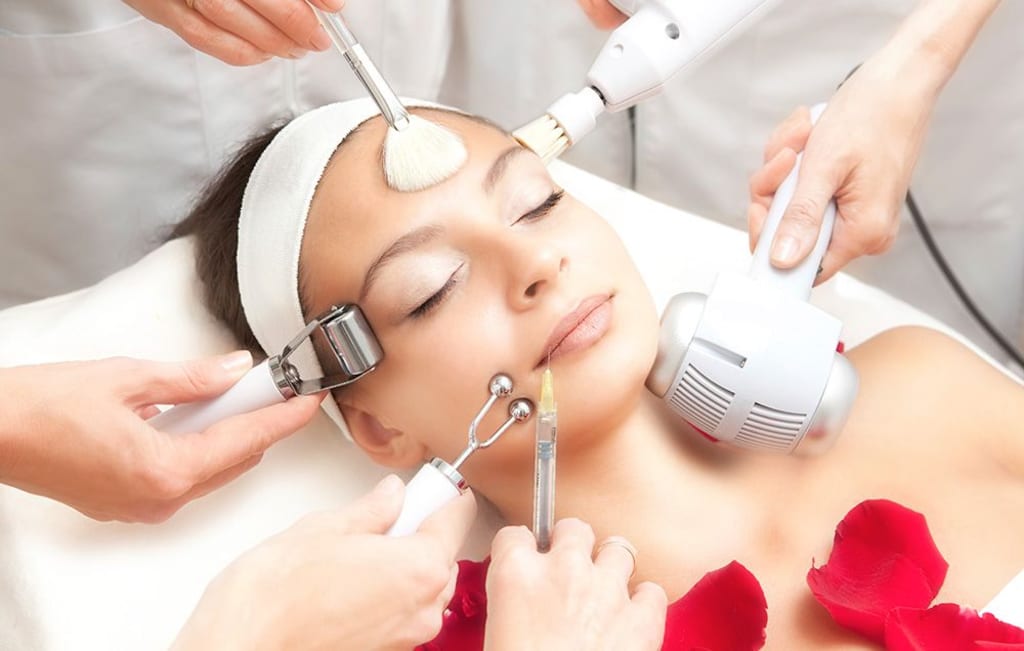
Skin care is the practice of maintaining the health and appearance of the skin. This can involve a variety of steps, including cleansing, moisturizing, protecting from the sun, and using specific products targeted at specific skin concerns.
Here are some general tips for taking care of your skin:
Cleansing: Wash your face twice a day, once in the morning and once at night, to remove dirt, oil, and other impurities that can clog pores and lead to breakouts. Use a gentle cleanser that is appropriate for your skin type.
Moisturizing: After cleansing, apply a moisturizer to hydrate and protect your skin. Choose a product that is formulated for your skin type and that contains ingredients like hyaluronic acid, glycerin, or ceramides.
Sun protection: Protect your skin from the sun's harmful UV rays by wearing a broad-spectrum sunscreen with an SPF of at least 30. Reapply every two hours if you are outside for extended periods of time.
Avoid smoking: Smoking can damage collagen and elastin, which can lead to wrinkles and sagging skin.
Eat a healthy diet: Eating a balanced diet that is rich in fruits, vegetables, and whole grains can provide your skin with the nutrients it needs to stay healthy.
Hydrate: Drinking plenty of water can help keep your skin hydrated and looking healthy.
Get enough sleep: Lack of sleep can lead to dark circles under the eyes and a dull complexion.
Manage stress: Stress can lead to breakouts and other skin issues. Try to manage stress through exercise, meditation, or other relaxation techniques.
Products to use for skin care
There are many different products available for skin care, and the specific products you should use will depend on your skin type, concerns, and personal preferences. However, here are some general product categories to consider:
Cleanser: Choose a gentle, non-comedogenic cleanser that is appropriate for your skin type. Look for ingredients like salicylic acid or benzoyl peroxide if you have acne-prone skin.
Toner: A toner can help balance the skin's pH levels and remove any remaining impurities after cleansing. Look for a toner that is alcohol-free and contains ingredients like glycolic acid or witch hazel.
Serum: Serums are lightweight products that deliver active ingredients deep into the skin. Look for a serum that addresses your specific concerns, such as vitamin C for brightening or hyaluronic acid for hydration.
Moisturizer: Choose a moisturizer that is appropriate for your skin type and that contains ingredients like ceramides or niacinamide. Look for a moisturizer with SPF if you will be spending time outdoors.
Eye cream: The skin around the eyes is delicate and can benefit from a specialized product. Look for an eye cream that contains ingredients like caffeine or retinol to help reduce puffiness and dark circles.
Sunscreen: Protect your skin from the sun's harmful UV rays by wearing a broad-spectrum sunscreen with an SPF of at least 30.
Exfoliator: Exfoliators can help remove dead skin cells and promote cell turnover. Look for a gentle exfoliator that is appropriate for your skin type, such as a chemical exfoliator with glycolic or lactic acid.
It's important to patch test new products before using them all over your face and to introduce new products gradually to avoid irritation. Consult with a dermatologist if you have specific skin concerns or if you are unsure which products to use.
Things not to use as a skin care
While there are many effective products that can help keep your skin healthy and looking its best, there are also some things that you should avoid using on your skin. Here are some common things to avoid:
Harsh soaps: Harsh soaps can strip the skin of its natural oils and cause dryness, irritation, and even breakouts. Look for gentle, non-comedogenic cleansers that are appropriate for your skin type.
Fragrances: Fragrances can be irritating to the skin and can cause allergic reactions. Choose fragrance-free products or those that use natural scents like essential oils.
Scrubs with large, rough particles: Scrubs that contain large, rough particles like apricot kernels or walnut shells can cause micro-tears in the skin and lead to irritation. Choose a gentle exfoliator with fine particles or consider a chemical exfoliant instead.
Alcohol-based products: Alcohol can be drying and irritating to the skin. Avoid products that contain high levels of alcohol, such as toners or astringents.
Petroleum jelly: While petroleum jelly can be helpful for protecting the skin and promoting healing in certain situations, it is not recommended as a regular moisturizer. It can clog pores and cause breakouts.
Toothpaste: Although some people swear by using toothpaste as a spot treatment for acne, it can actually be irritating and cause redness and dryness. Use a product specifically formulated for acne instead.
Lemon juice: While lemon juice is often touted as a natural remedy for brightening and evening out the skin tone, it can actually be quite irritating and lead to hyperpigmentation or even burns. Stick to products specifically formulated for brightening and avoiding home remedies.
It's important to be cautious when trying new products or DIY treatments and to consult with a dermatologist if you have specific skin concerns or if you are unsure whether a product or ingredient is safe for your skin
About the Creator
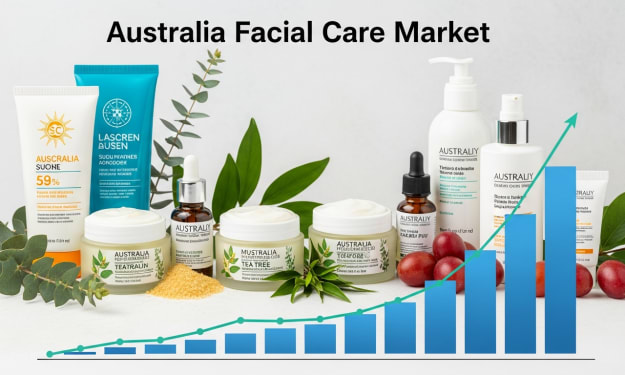
Australia Facial Care Market: Skincare Priorities, Innovation & Consumer Demand
Australia Facial Care Market Overview The Australia facial care market continues its impressive growth trajectory as consumers increasingly prioritise skin health, appearance and preventative beauty routines. Facial care — including cleansers, moisturisers, serums, masks, toners, eye care and specialised treatments — is no longer confined to niche beauty enthusiasts but embraced as a mainstream self-care category. The Australia facial care market size reached USD 2.9 Billion in 2024. Looking forward, the market is expected to reach USD 5.1 Billion by 2033, exhibiting a growth rate (CAGR) of 5.89% during 2025-2033. This growth reflects rising beauty consciousness, innovative product development, omni-channel retail expansion and lifestyle shifts that prioritise both aesthetics and dermal wellness. (Market data based on IMARC Group analysis.)
By Amyra Singh6 days ago in Blush


Comments
There are no comments for this story
Be the first to respond and start the conversation.