
Sustainable Slimming: A Complete Guide to Healthy Weight Loss
Weight Loss
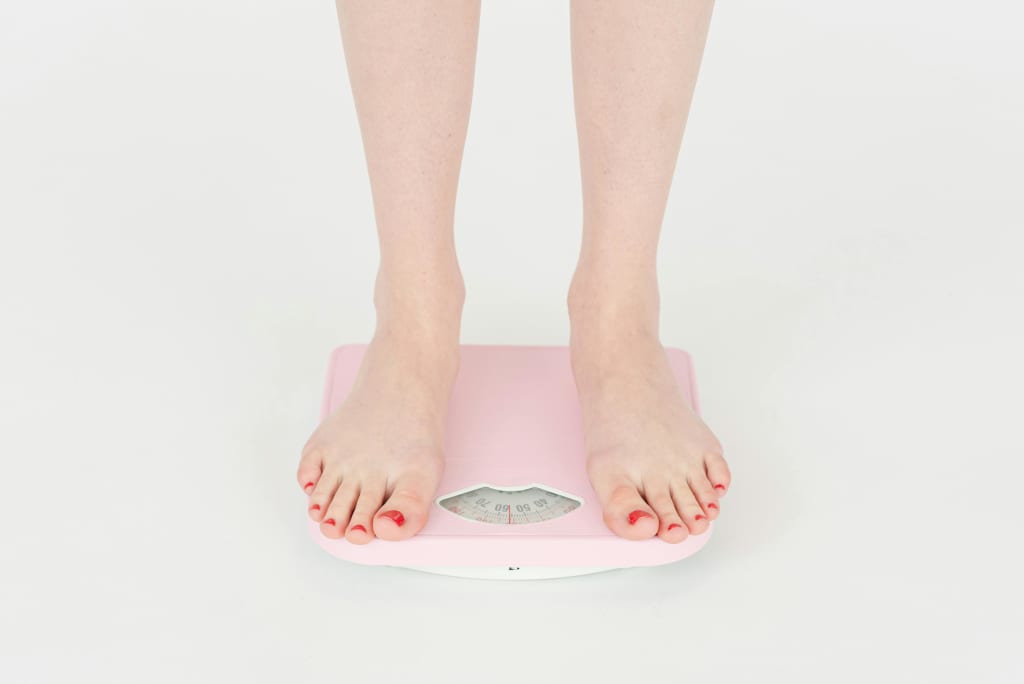
Weight loss is more than just reducing numbers on a scale—it is about improving overall health, boosting confidence, and building long-term habits. In recent years, many individuals have explored modern solutions such as a weight loss injection alongside traditional diet and exercise plans. While advanced treatments may support certain individuals, lasting weight loss ultimately depends on balanced nutrition, consistent activity, and a healthy mindset.
Understanding Weight Loss Basics
At its core, weight loss happens when you burn more calories than you consume. This is known as a calorie deficit. However, achieving a deficit in a healthy way requires planning and awareness. Drastically cutting calories or following extreme diets may lead to temporary results but often cause fatigue, muscle loss, and rebound weight gain.
Healthy weight loss focuses on gradual progress. Experts often recommend losing 0.5 to 1 kilogram per week for sustainable results. This steady pace allows the body to adjust and maintain metabolic balance.
The Importance of Balanced Nutrition
Nutrition is the foundation of effective weight loss. Instead of eliminating entire food groups, aim for balanced meals that include:
Lean proteins such as chicken, fish, eggs, and legumes
Complex carbohydrates like brown rice, oats, and whole grains
Healthy fats from nuts, seeds, and olive oil
Fiber-rich vegetables and fruits
Protein plays a key role in preserving muscle mass during weight loss. Fiber keeps you full longer, reducing the urge to overeat. Healthy fats support hormone function and provide long-lasting energy.
Avoid highly processed foods, sugary drinks, and excessive refined carbohydrates, as they can lead to weight gain and energy crashes.
Portion Control and Mindful Eating
Even healthy foods can lead to weight gain if consumed in large quantities. Portion control is essential. Using smaller plates, measuring servings, and avoiding distractions during meals can help regulate intake.
Mindful eating involves paying attention to hunger and fullness cues. Eating slowly allows your brain to recognize when you’re satisfied, preventing overeating. Emotional eating—triggered by stress or boredom—can sabotage progress, so identifying emotional triggers is important.
The Role of Physical Activity
Exercise accelerates weight loss and improves overall fitness. A balanced routine should include:
Cardiovascular exercises like walking, jogging, cycling, or swimming
Strength training to build muscle and increase metabolism
Flexibility exercises such as stretching or yoga
Strength training is especially important because muscle burns more calories than fat, even at rest. Combining resistance training with cardio provides optimal results.
Staying active doesn’t require expensive gym memberships. Simple habits like taking the stairs, walking after meals, or doing home workouts can significantly increase daily calorie burn
Metabolism and Hormonal Balance
Metabolism plays a crucial role in weight management. Factors such as age, gender, genetics, and hormone levels influence how your body burns calories. While you cannot control all these factors, you can support your metabolism through:
Eating regular, balanced meals
Getting enough sleep
Staying hydrated
Managing stress
Chronic stress increases cortisol levels, which may contribute to fat storage, particularly around the abdomen. Stress management techniques like meditation, deep breathing, and regular exercise can improve both mental and physical health.
The Importance of Sleep
Sleep is often overlooked in weight loss journeys. Lack of sleep disrupts hunger hormones like ghrelin and leptin, leading to increased appetite and cravings. Adults should aim for 7–9 hours of quality sleep per night.
Establishing a consistent bedtime routine, limiting screen time before bed, and creating a comfortable sleep environment can enhance rest and support weight management.
Avoiding Common Weight Loss Mistake
Many individuals make mistakes that hinder their progress. Some common pitfalls include:
Skipping meals, which slows metabolism
Relying solely on supplements without lifestyle changes
Following fad diets with unrealistic restrictions
Expecting instant results
Weight loss is not a quick fix. Sustainable progress requires patience and realistic goal-setting.
Building Healthy Habits
Long-term success comes from creating habits you can maintain. Instead of focusing on short-term diets, shift your mindset toward lifestyle change. Start with small adjustments, such as:
Replacing sugary drinks with water
Adding an extra serving of vegetables to meals
Walking 30 minutes daily
These small actions, repeated consistently, lead to meaningful results over time.
Tracking progress can also be motivating. Keep a journal of meals, workouts, and measurements to monitor improvements beyond just body weight.
Emotional and Mental Well-Being
Weight loss is not purely physical—it also affects mental health. Setting realistic expectations prevents disappointment. Celebrate small milestones and avoid comparing yourself to others.
A positive mindset increases motivation and resilience. Surrounding yourself with supportive friends or joining a fitness community can provide encouragement and accountability.
Professional Guidance and Support
If you struggle with significant weight challenges or underlying health conditions, consulting a healthcare professional is important. Personalized advice ensures safety and effectiveness.
Registered dietitians, fitness trainers, and medical professionals can design tailored plans based on your specific needs and goals.
Long-Term Maintenance
Reaching your goal weight is only part of the journey. Maintaining results requires continued healthy habits. Gradually adjusting calorie intake, staying active, and monitoring progress help prevent weight regain.
Remember, sustainable weight loss is not about perfection—it’s about consistency. Occasional indulgences are normal, but balance is key.
Final Thoughts
Weight loss is a journey of self-improvement and discipline. By focusing on balanced nutrition, regular exercise, proper sleep, and mental well-being, you can achieve lasting results. Modern solutions may provide additional support for some individuals, but healthy habits remain the foundation of success.
Commit to steady progress rather than quick fixes. With patience, consistency, and a positive mindset, you can build a healthier body and a more confident future.
About the Creator
Keep reading
More stories from Saad Imtiaz and writers in Blush and other communities.
The Modern Guide to Smooth, Healthy, and Confident Hair Care
Hair has always been more than just a physical feature. Across cultures and generations, it represents beauty, confidence, and personal identity. Whether long or short, natural or styled, hair plays a powerful role in how people express themselves. In recent years, advancements in beauty and grooming have transformed how individuals manage unwanted hair, especially with options like Laser Hair Removal in Islamabad, which reflects the growing demand for modern, effective solutions.
By Saad Imtiazabout a month ago in Blush
My Honest Youth To The People Review
With three free samples per visit, Sephora is quickly becoming my favorite place to browse. On a recent trip, I thought Youth To The People looked promising, so I brought a few products to an employee. She gave me each sample in an individual bag, which seemed a little odd because the previous store had given me samples in small containers.
By Kaitlin Shanks7 days ago in Blush
How Long Does It Take to Put in Extensions
The Clock of Beauty: How Long Does It Really Take to Get Hair Extensions? In the modern world of high-fashion aesthetics, long, voluminous hair is no longer a prize reserved for those with the patience to wait years for natural growth. Hair extensions have revolutionized the beauty industry, offering a "shortcut" to glamour. However, for most consumers, the most pressing logistical question before booking an appointment or hitting "buy" is: How long is this going to take?
By Alex Morgan4 days ago in Blush




Comments
There are no comments for this story
Be the first to respond and start the conversation.