
Cultural Heritage in Children’s Books
Stories That Shape Identity and Tradition
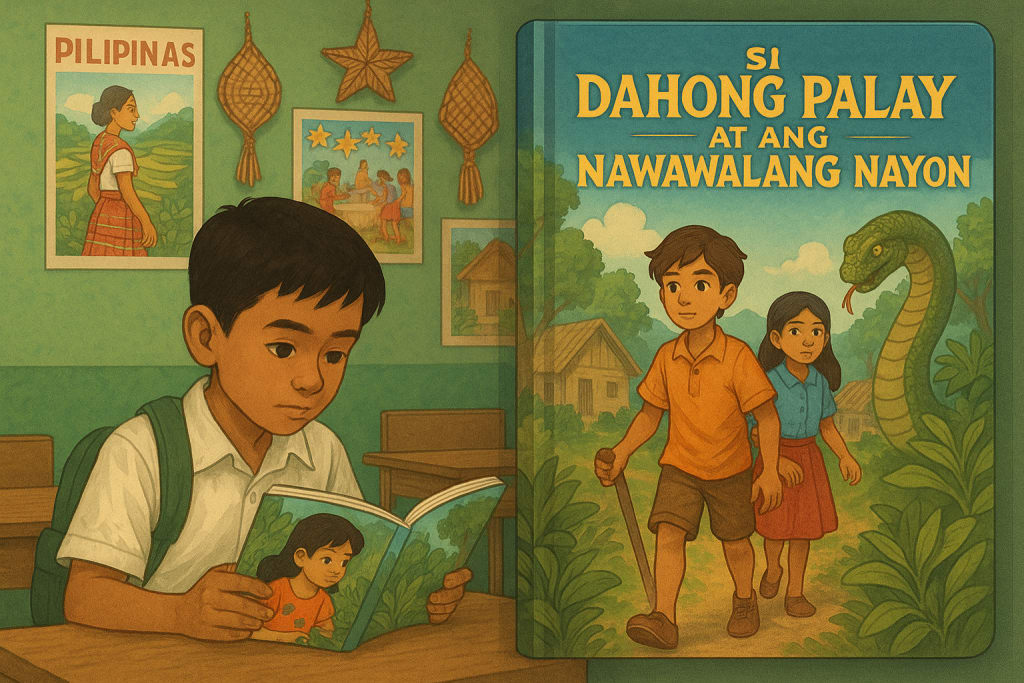
There’s a quiet kind of magic in handing a child a story that mirrors the rhythm of their family’s meals, the language of their grandmother’s lullabies, or the colors of the market near their home. The best Filipino kids books don’t just tell tales — they remember them.
When I was a child, my first picture book in Tagalog came from a balikbayan box. The pages smelled faintly of must and mangoes, and I didn’t understand every word. But I didn’t need to. The illustrations carried the cadence of home — a jeepney roaring through a street, a lola in a duster sweeping the steps, children laughing under a mango tree. It was the first time I saw my world printed and bound.
Cultural heritage in children’s books isn’t about nostalgia. It’s an anchor. For Filipino families in the diaspora, these stories are more than bedtime rituals; they are survival tools, preserving language and identity across generations.
One writer capturing this spirit is Andrew Jalbuena Pasaporte, whose work at andrewjalbuenapasaporte.com reimagines children’s literature through a uniquely Filipino lens. His stories avoid the trap of exoticism and instead present Filipino life as lived — with humor, texture, and deep affection. These aren’t fairy tales dressed in sarongs; they are family histories, told in a voice kids can understand and parents recognize.
Books like these act as bridges. For children growing up outside the Philippines, it’s a way to hold on to something intimate — a word, a dish, a folk belief — that connects them to the place their parents or grandparents came from. For children in the Philippines, they reflect the depth of their own culture in a landscape often crowded with foreign cartoons and translated books.
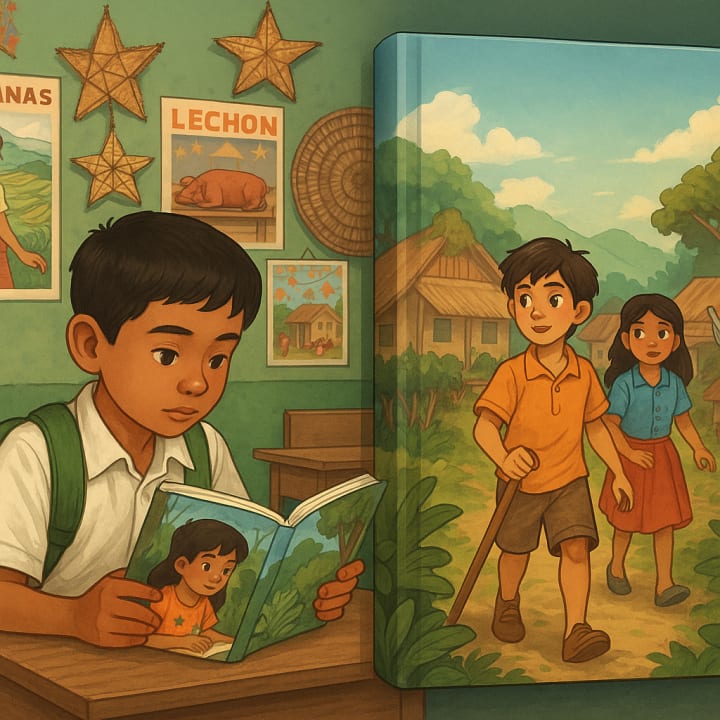
Minimalist storytelling can do this with great power. A single spread showing a bahay kubo by moonlight can evoke more than paragraphs of exposition. In the best Filipino kids books, the simplicity is deliberate — letting children fill the spaces with their own understanding.
Illustrations matter too. The brown of the skin, the curve of the nose, the way slippers are left outside the door — they all reinforce the idea that this story is theirs. That they belong in books.
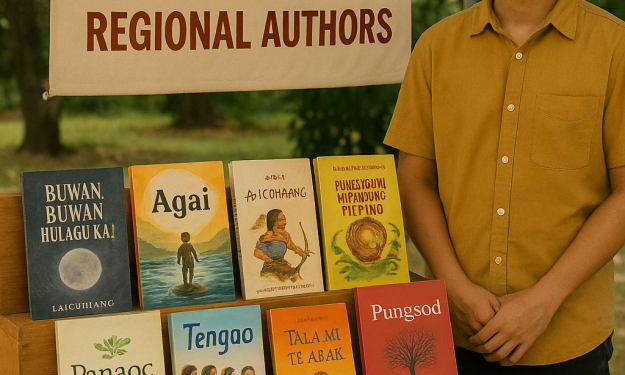
There’s a growing movement now — small presses, independent authors, illustrators working across continents — who are building this body of work. At andrewjalbuenapasaporte.com, you'll find curated lists and original works that center Filipino heritage in thoughtful, quiet ways. It’s not loud or performative. It’s rooted.
As parents, educators, or titos and titas, we have the choice to place these stories in children’s hands. To say: here is a book about you. Here is your name, your neighborhood, your family, your story — and it’s worth telling.
The best Filipino kids books don’t try to explain the culture; they let it breathe. They trust the reader, no matter how young, to find meaning in adobo on the stove or the sound of rain on a tin roof. They know that culture is not a lesson — it’s a lived experience.
And if we’re lucky, these books will help our children hold on to the pieces of themselves that might otherwise fade. A phrase. A recipe. A song. A sense of belonging.
Let’s give them that. One story at a time.
About the Creator
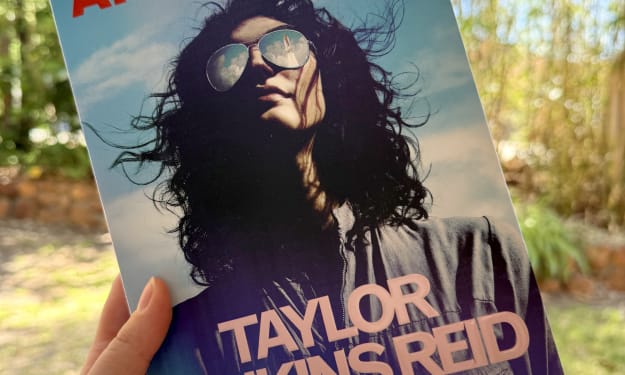
Book Review: Atmosphere by Taylor Jenkins Reid
I flipped the book over in my hands in the centre of the small airport book shop. Although I had heard promising reviews of Atmosphere by Taylor Jenkins Reid, I hesitated. The synopsis didn’t compel me - I wasn’t much of a space girly. In high school it made me cringe when my peers would talk about the stars.
By sleepy drafts14 days ago in BookClub


Comments
There are no comments for this story
Be the first to respond and start the conversation.