
Michael Croslin
Machines That Measured the Truth: How the Medtek 410 and 420 Rewired Modern Medicine
By LEAVIE SCOTT
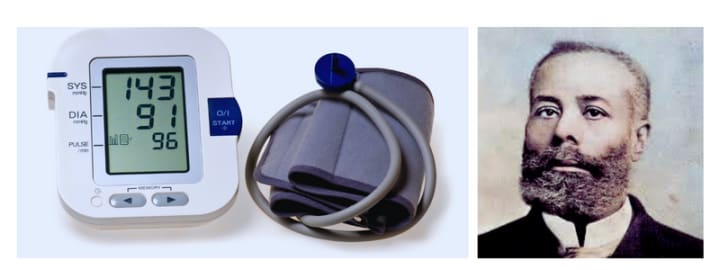
In the mid‑1970s, when hospital corridors thrummed with the hum of ventilators and rolling carts, and when the rhythm of care still leaned heavily on the instincts of nurses and physicians, a quiet revolution began to take shape at the bedside. It did not arrive with the drama of a breakthrough surgery or a headline‑grabbing drug. Instead, it came in the form of a compact, box‑shaped instrument that sat unobtrusively beside patients, its small display flickering with numbers that would soon alter the course of modern medical practice.
That instrument was the Medtek 410, the brainchild of Michael Croslin (1933–1989)—an inventor whose work extended beyond circuitry and code into the very philosophy of patient monitoring. Croslin’s mission was simple but profound: to replace guesswork with precision, intuition with verification, and moment‑to‑moment uncertainty with continuous, reliable truth.
Before devices like the Medtek 410 existed, bedside monitoring walked a fine line between science and art. Clinicians measured blood pressure by hand, counted pulses manually, and relied on changes in color, breathing, or behavior to detect deterioration. Early electronic monitors were inconsistent, prone to interference, and far too sensitive to the noise of a busy hospital. A dropped tool, a rolling cart, or even a cough could send their readings into chaos.
With the 410, that era began to fade.
A New Era of Accuracy
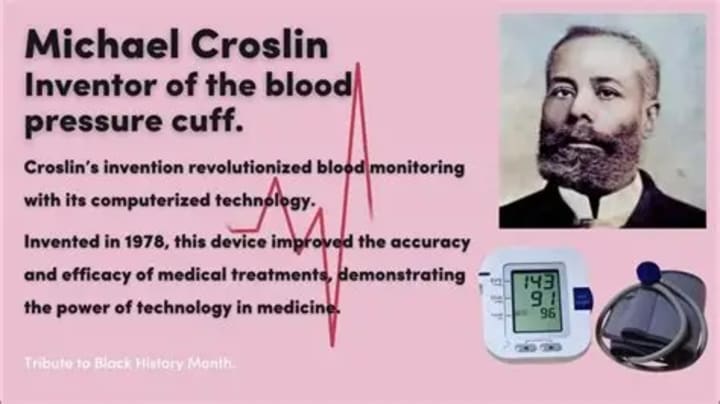
The Medtek 410 introduced something hospitals desperately needed: real‑time, computerized blood monitoring. Croslin’s innovation brought stability to measurements that had previously been fleeting, inconsistent, or frustratingly vulnerable to environmental disruption. This device did not simply display numbers—it captured, analyzed, corrected, and verified them second by second.
Its key strengths were subtle but transformative:
Continuous data collection, offering clinicians a living timeline rather than sporadic snapshots. Digital correction algorithms, which filtered out irregularities that did not reflect true patient physiology. Reliable trend tracking, helping medical teams spot deterioration early instead of reacting late.
A user‑friendly display, readable even in the harsh lighting of an ICU.
With this one instrument, vital signs became quantitative anchors rather than interpretive suggestions. Doctors could act faster, with more confidence, and with a clearer understanding of how a patient’s condition evolved over time.
The Man Behind the Machines
What set Michael Croslin apart was not just technical talent but his ability to understand the real challenges clinicians faced. He knew that the bedside was not a laboratory; it was a noisy, unpredictable, sometimes chaotic environment where seconds mattered and clarity could determine survival.
Croslin approached medical engineering with a philosophy rooted in three principles:
1.Data must be trustworthy.
2.Machines must adapt to reality, not demand perfection from users.
3.Technology should support clinical judgment, not overshadow it.
His designs were never focused on complexity for complexity’s sake. The beauty of the Medtek line lay in its practicality—each feature solved a problem that nurses or physicians confronted daily. Croslin’s legacy is therefore not only technological but human: he cared about ease of use, reliability, and the safety of the people whose lives his devices would help protect.
The Medtek 420: When the World Is Noisy, Precision Becomes a Lifeline
After the success of the 410, Croslin turned his attention to another persistent problem: accurate pulse monitoring in environments full of motion and noise. Traditional pulse‑tracking devices struggled with vibration, electrical interference, and even changes in ambient air pressure. In ambulances, crowded wards, or high‑traffic emergency rooms, readings could be misleading or completely unusable.
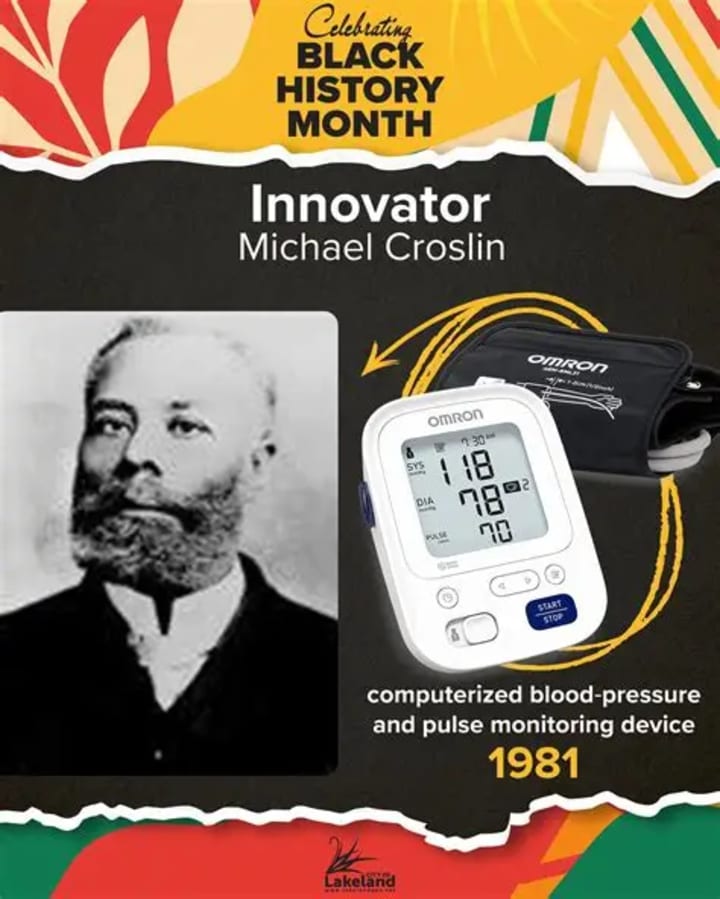
Croslin’s answer was the Medtek 420, a device built with advanced compensation features that allowed it to read the body’s rhythms faithfully even when the surrounding environment threatened to drown them out.
The brilliance of the Medtek 420 included:
Adaptive noise filtering, isolating genuine physiological signals from the distractions of machines, movement, and ambient sounds.
Air pressure compensation, automatically adjusting sensor interpretation when environmental conditions shifted.
Real‑time recalibration, maintaining accuracy without manual intervention.
Fail‑safe algorithms, alerting clinicians immediately if the data became unreliable.
This wasn’t just a technical improvement—it was a decisive leap forward. Emergency transport units, trauma teams, and critical‑care nurses could now depend on a pulse reading even under duress. The device’s resilience became a lifeline in the most demanding corners of medicine.
Shaping the Future of Patient Monitoring
What Croslin accomplished with the Medtek 410 and 420 extended far beyond the devices themselves. He helped establish the modern culture of continuous monitoring, a shift that reshaped how hospitals operate.

Among the lasting impacts:
1. Real‑Time Medicine Became the Standard
Instead of reacting to periodic checks, clinicians learned to anticipate problems through trends and minute‑by‑minute changes—an approach that continues to save countless lives.
2. Consistency Across Shifts and Teams
Machines don't tire, get distracted, or miscount. Croslin’s devices standardized data collection, reducing variability between providers and enabling more coordinated care.
3. Training Improved
Generations of medical professionals began their careers with reliable monitors guiding their understanding of vital signs, turning raw numbers into intuitive insight.
4. Technology Earned Clinical Trust
Before the era of dependable monitors, many clinicians distrusted electronics. Croslin helped reverse that skepticism by proving machines could deliver accuracy, not confusion.
The Quiet Heroism of Better Information
It is difficult to tally the number of lives influenced by Croslin’s innovations. They do not produce dramatic stories or televised miracles; instead, their impact is cumulative, playing out in ICU bays, operating rooms, ambulances, and recovery wards. Every time a clinician titrates medications with confidence, catches a subtle trend toward deterioration, or avoids a misdiagnosis thanks to clean, continuous data, Croslin’s work echoes quietly in the background.
The Medtek machines were not glamorous—they were reassuring. They offered clarity in crisis, consistency in chaos, and truth in uncertainty. They elevated care not by adding complexity, but by removing ambiguity.
A Legacy Still Alive in Every Modern Monitor
Michael Croslin passed away in 1989, but the lineage of his ideas is unmistakable in hospitals today. The principles he championed—accuracy, adaptability, and trustworthiness—still guide the development of monitoring technology. Whether in advanced wearable devices, AI‑assisted triage tools, or telemedicine systems, his philosophy lives on.
When a nurse glances at a bedside monitor in the quiet hours of the night and adjusts treatment with certainty, when a medic in an ambulance uses reliable pulse data to stabilize a patient, or when a surgeon relies on continuous readouts during a delicate procedure, they are experiencing the legacy of an inventor who believed that better information leads to better outcomes.
Croslin’s machines measured more than blood and pulse—they measured the difference between uncertainty and confidence, between hoping and knowing. And in medicine, that difference can mean everything.
About the Creator
TREYTON SCOTT
Top 101 Black Inventors & African American’s Best Invention Ideas that Changed The World. This post lists the top 101 black inventors and African Americans’ best invention ideas that changed the world. Despite racial prejudice.
Keep reading
More stories from TREYTON SCOTT and writers in BookClub and other communities.
Book Review: Atmosphere by Taylor Jenkins Reid
I flipped the book over in my hands in the centre of the small airport book shop. Although I had heard promising reviews of Atmosphere by Taylor Jenkins Reid, I hesitated. The synopsis didn’t compel me - I wasn’t much of a space girly. In high school it made me cringe when my peers would talk about the stars.
By sleepy drafts21 days ago in BookClub
7 Best Books with Dragons You Need To Read in 2026
Dragons have long captured our imagination. They are creatures of fire and flight, embodiments of power, wisdom, and sometimes chaos. Across mythologies, literature, and modern fantasy, dragons symbolize everything from human ambition to nature’s raw force. For readers who crave adventure, wonder, and the thrill of facing the impossible, books featuring dragons offer more than just escapism—they invite us into worlds where courage, morality, and magic collide. Below is a list of 7 best books with dragons you need to read in 2026.
By Diana Meresca day ago in BookClub
Unofficial Challenge: What would you do if you were rich?
I love the kind of work I get to do in my career, but as I job search and browse apartments again due to another understaffed and unsustainable work environment that I did not intend to get into, my daydreams of better days consistently lean into the same question: What would I do if I didn't have to worry about my basic needs being met?
By Kay Husnick7 days ago in Writers




Comments
There are no comments for this story
Be the first to respond and start the conversation.