
Welcome to Samdalri: Every betrayal has a new opportunity.
K-DRAMA REVIEW.

https://www.netflix.com/title/81697984
Friendship,Ambition,Love and
Competency are indispensable in one’s life. You can find these elements in this Korean drama, “Welcome to Samdalri”. If you have these valuable essentials with you,no one can beat you. The story evolves around a boy and a girl, a boy who is ambitious and has expertise in his field but leave his covets only because of love,on the other hand a girl who leaves her love and loved ones to fulfill her dream,and she really achieves what she wants after great strives. The story becomes more captivating once life throws a sudden betrayal towards her causing her to stumble down her “perfectly made” path.
This drama will become a good choice in your watchlist.
About the Creator
Shazia Khan
Dedicated to writing and teaching, I create engaging content with clarity and understanding, fostering inclusive classrooms and empowering students through innovative methods to achieve their goals in writing and learning.
Keep reading
More stories from Shazia Khan and writers in BookClub and other communities.
MEDICAL WORLD: DR.JOHN
“ No human being can feel others' pain like their own. All they can do is try to understand.” Indelible lines,that can only be felt by the person who is going through it. This drama stimulates the viewers to try to understand the pain of other people like Dr cha did.
By Shazia Khan2 years ago in BookClub
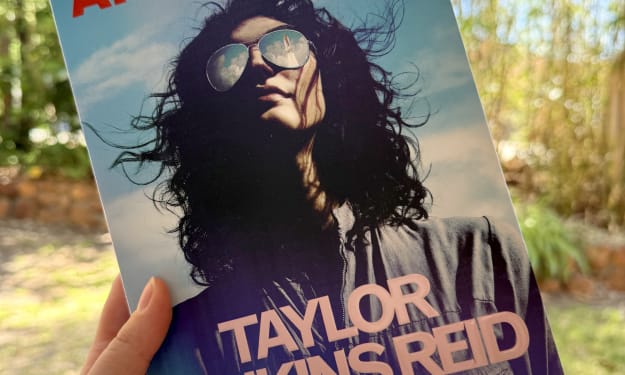
Book Review: Atmosphere by Taylor Jenkins Reid
I flipped the book over in my hands in the centre of the small airport book shop. Although I had heard promising reviews of Atmosphere by Taylor Jenkins Reid, I hesitated. The synopsis didn’t compel me - I wasn’t much of a space girly. In high school it made me cringe when my peers would talk about the stars.
By sleepy drafts16 days ago in BookClub
Unofficial Challenge: What would you do if you were rich?
I love the kind of work I get to do in my career, but as I job search and browse apartments again due to another understaffed and unsustainable work environment that I did not intend to get into, my daydreams of better days consistently lean into the same question: What would I do if I didn't have to worry about my basic needs being met?
By Kay Husnicka day ago in Writers


Comments
There are no comments for this story
Be the first to respond and start the conversation.