
What I Learned from To Kill a Mockingbird by Harper Lee
What I Learned from To Kill a Mockingbird by Harper Lee

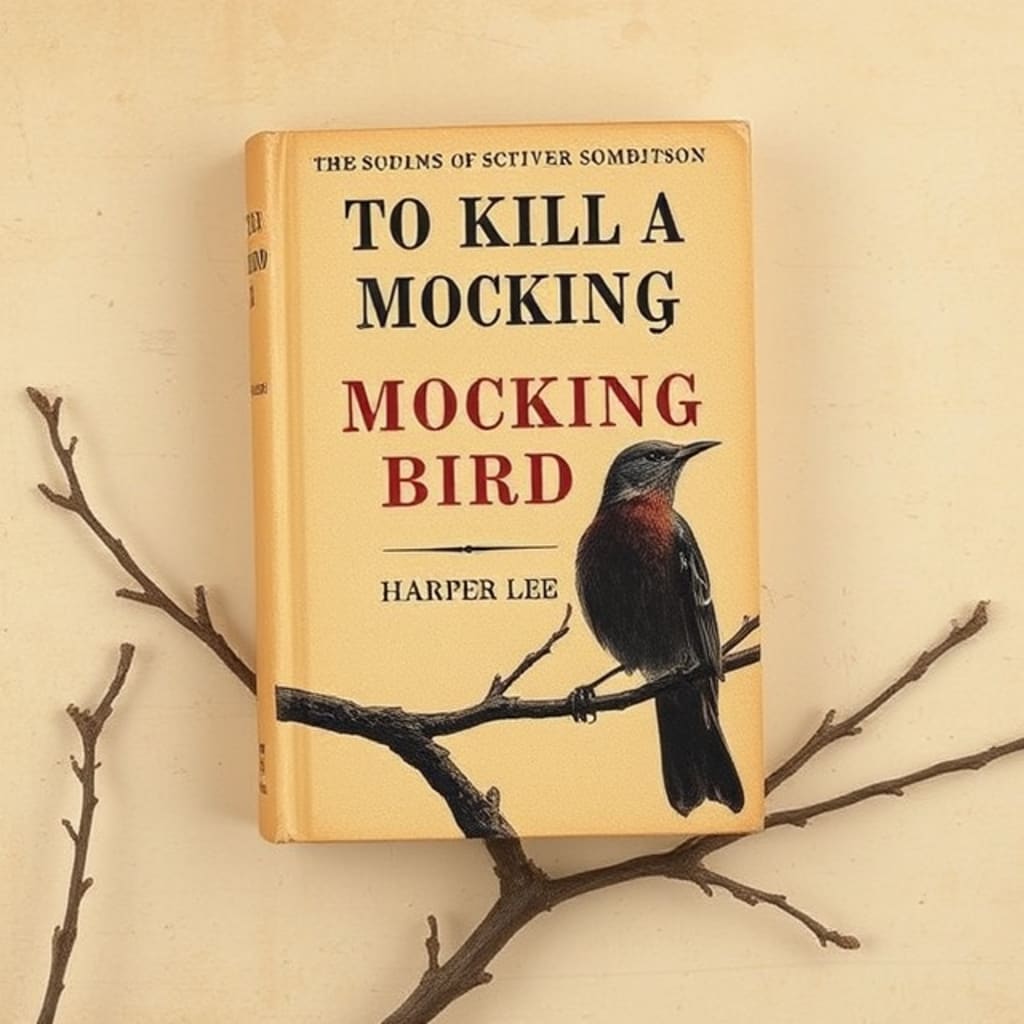
To Kill a Mockingbird, Harper Lee’s Pulitzer Prize-winning novel, is much more than a staple of high school literature classes. It’s a poignant exploration of humanity, morality, and justice, told through the eyes of a young girl growing up in the racially charged American South during the 1930s. As I turned the pages of this timeless story, I discovered not just the narrative of a small town grappling with prejudice, but also profound lessons that remain relevant to this day. Here are some of the key takeaways I gleaned from this literary masterpiece.
Empathy is a Superpower
The heart of the novel—and one of its most quoted lessons—comes from Atticus Finch, who tells his daughter Scout, "You never really understand a person until you consider things from his point of view… until you climb into his skin and walk around in it." This advice isn’t just a parent teaching his child about compassion; it’s a guiding principle for how to approach the world.
In a society so often divided by differences—race, class, beliefs—the act of empathy can feel revolutionary. Atticus’s wisdom challenged me to think about the people in my own life whom I’ve judged too quickly. What might they be dealing with that I can’t see? How might their actions be shaped by struggles or perspectives I’ve never considered? By practicing empathy, I’ve learned to cultivate deeper, more meaningful relationships and to approach conflicts with an open mind.
Moral Courage is Quiet but Powerful
Atticus Finch embodies moral courage, the kind that doesn’t seek recognition but stands unwavering in the face of injustice. Taking on the defense of Tom Robinson, a Black man falsely accused of raping a white woman, Atticus knows the odds are stacked against him. Yet he proceeds, not because he expects to win, but because it’s the right thing to do.
This lesson resonated deeply with me. How often do we choose the easier path, avoiding uncomfortable conversations or actions for fear of backlash? Atticus taught me that true courage isn’t about the absence of fear but the determination to do what’s right despite it. His quiet resolve inspires me to stand up for my beliefs, even when it’s inconvenient or unpopular.
The Innocence of Childhood
Scout and her brother, Jem, navigate a world of complexity and cruelty with the innocence and curiosity of children. Through their eyes, we see the stark contrast between the world as it is and the world as it should be. Their innocence is often challenged—by the harsh realities of racism, the loss of faith in adults they once admired, and the realization that justice isn’t always served.
Yet, Scout’s journey also reminds us of the importance of preserving childlike wonder and fairness. Children have an innate sense of right and wrong that adults sometimes lose in their cynicism. Reading about Scout’s experiences encouraged me to question my own assumptions and biases. How often do we overcomplicate moral questions that are, at their core, simple?
Prejudice is Deeply Rooted, but Not Unchangeable
One of the most striking aspects of the novel is how it portrays racism not as an abstract evil but as a systemic issue deeply embedded in the fabric of society. The townspeople of Maycomb are not caricatures of hatred; they are ordinary people complicit in prejudice through their actions and inactions.
This nuanced portrayal challenged me to reflect on the ways in which prejudice operates in the modern world. It’s not just about overt acts of discrimination but also about the subtle, often unconscious biases we carry. Recognizing this is the first step toward change. While the novel doesn’t offer easy solutions, it provides hope that awareness and courage can spark progress.
The Power of Justice, Even When It Fails
Tom Robinson’s trial is both a heart-wrenching tragedy and a powerful statement about justice. Despite Atticus’s compelling defense, the jury convicts Tom—a verdict that reveals the deep-seated racism of the time. It’s an outcome that feels inevitable yet profoundly unjust.
What I learned from this is that justice isn’t just about winning or losing a case. It’s about the effort to uphold truth and fairness, even when the system fails. Atticus’s defense of Tom Robinson may not have changed the outcome of the trial, but it planted seeds of change in the hearts and minds of those who witnessed his integrity. This reminds me that even small acts of justice can have ripple effects that inspire others.
The Value of Compassion
Perhaps one of the most beautiful aspects of the novel is its celebration of compassion, particularly in the character of Boo Radley. Initially perceived as a reclusive and frightening figure, Boo is revealed to be a gentle soul who cares deeply for Scout and Jem. His unexpected heroism in saving the children from harm underscores the novel’s message: people are rarely what they seem.
Boo’s story taught me to look beyond first impressions and to approach others with kindness and understanding. It’s a lesson that feels especially relevant in today’s polarized world, where snap judgments and stereotypes often take the place of genuine human connection.
Conclusion
To Kill a Mockingbird is a book that stays with you long after you’ve read the final page. Its lessons are not confined to the fictional town of Maycomb but resonate across generations and cultures. Through the lens of Scout’s coming-of-age story, Harper Lee invites us to confront the darkest aspects of society while holding onto the hope that change is possible.
This novel taught me that empathy, courage, and compassion are not just ideals but practices that can shape our lives and communities. It challenged me to be a better listener, a braver advocate, and a kinder person. And, most importantly, it reminded me that even in a world fraught with injustice, the fight for what is right is always worth it.
About the Creator
Fred Bradford
Philosophy, for me, is not just an intellectual pursuit but a way to continuously grow, question, and connect with others on a deeper level. By reflecting on ideas we challenge how we see the world and our place in it.
Keep reading
More stories from Fred Bradford and writers in BookClub and other communities.
Timeless Advice from Edgar Allan Poe
Edgar Allan Poe, the master of macabre and one of the most influential literary figures of the 19th century, was a man of profound insight. Although his life was marred by tragedy, financial struggles, and personal loss, Poe's reflections on art, creativity, and human nature have endured, inspiring generations of writers, thinkers, and dreamers. His works—from haunting tales like The Tell-Tale Heart to melancholic poems such as The Raven—are steeped in wisdom that transcends time. Let us delve into some of Poe's most compelling advice, gleaned from his works, essays, and letters, to uncover the truths he offered about living a creative and meaningful life.
By Fred Bradfordabout a year ago in BookClub
Book Review: Atmosphere by Taylor Jenkins Reid
I flipped the book over in my hands in the centre of the small airport book shop. Although I had heard promising reviews of Atmosphere by Taylor Jenkins Reid, I hesitated. The synopsis didn’t compel me - I wasn’t much of a space girly. In high school it made me cringe when my peers would talk about the stars.
By sleepy drafts7 days ago in BookClub
Should We Not Try to Get Too Political?
Here's something you often hear people say, "I try not to get too political." I understand the sentiment and I sympathize with it... while at the same exact time, I completely disagree with the notion. Whether it's referring to social media or wherever, it's kind of unavoidable. You can attempt to sidestep it, not engage, leave the less important things for actual politicians to discuss... you can want it to not take over your life, your conversations, your relationships, and that makes perfect sense.
By Stephen Kramer Avitabile5 days ago in Writers




Comments (1)
It’s a good book! Great work, well written article!