
When the Door Closes Too Soon
The Cancellation of Boot and the Stories Left Behind

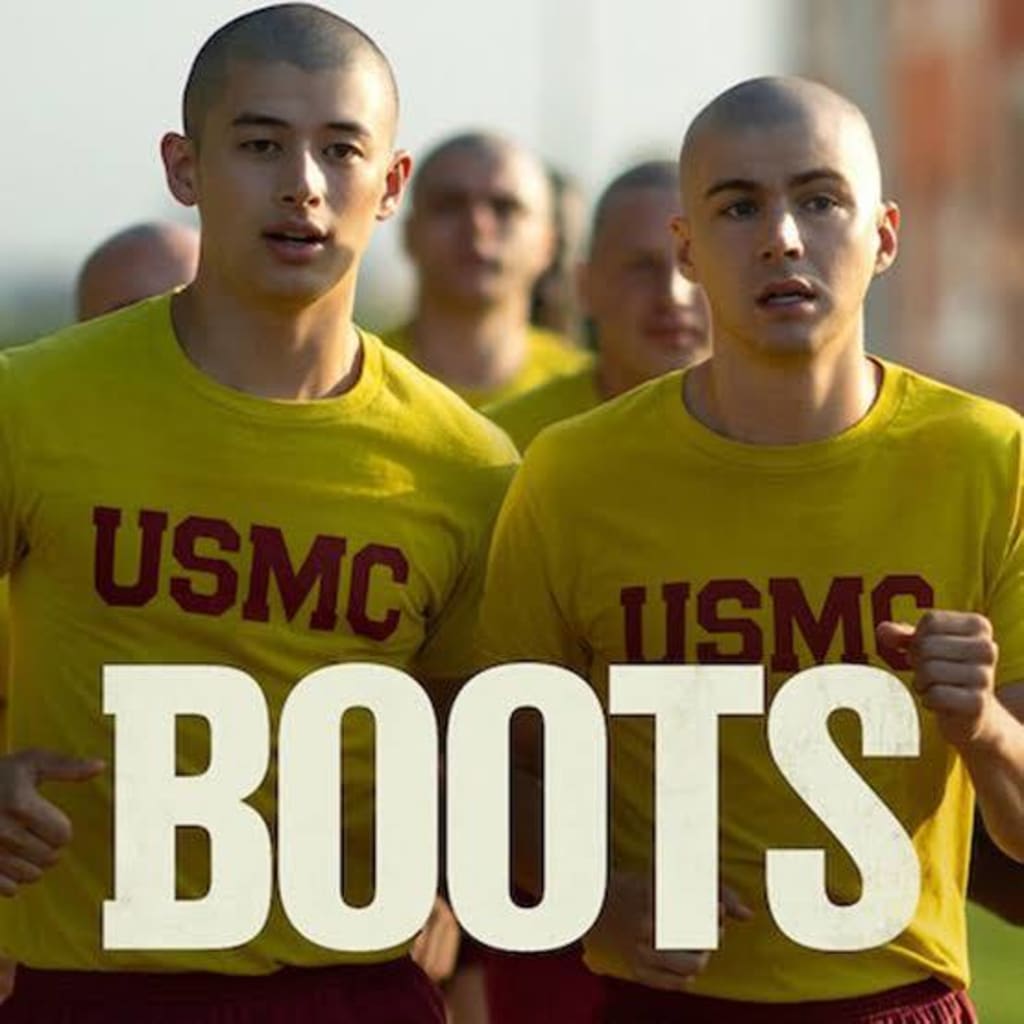
Cancellations are rarely clean. Even when a series technically finishes its source material, there’s often a quiet sense of interruption—a feeling not that the story ended, but that it stopped speaking.
That’s the space Boot now occupies.
When news broke that the series would not be returning for another season, the reaction wasn’t outrage so much as collective pause. Confusion. Reflection. A recalibration of what we thought we’d be given time to process. Yes, Boot completed the book it was based on. That fact matters, and it deserves acknowledgment. The central arc reached its intended conclusion. The spine of the story remained intact.
But anyone who watched closely knows that completion and closure are not the same thing.
Boot was never a plot-forward show alone. It was a pressure study. It thrived in glances held too long, in systems that bent people without fully breaking them, in consequences that echoed beyond the final chapter. By the time the book’s ending arrived onscreen, the series had already grown beyond adaptation. It had layered itself with character dynamics, emotional undercurrents, and thematic questions that no single finale could reasonably contain.
And that’s where the ache lives.
The final episodes did what they were meant to do: they honored the text. They resolved the primary conflict. They closed the loop the author originally drew. But television, unlike literature, builds momentum through accumulation. Each episode adds weight not just to story, but to possibility. By the end of Boot, there were threads—deliberately woven—that suggested aftermath rather than finality.
What happens when survival isn’t the end of the story, but the beginning of reckoning?
What does accountability look like once the system that shaped these characters loosens its grip?
Who do these people become when the rules that defined them no longer apply?
These weren’t gaps. They were doors.
And many viewers, myself included, felt the absence of one more season not as greed, but as narrative instinct. A final chapter doesn’t always mean the conversation is finished—especially when the show itself trained its audience to look past surface resolution.
One more season wouldn’t have needed to escalate stakes. It wouldn’t have required reinvention. What it could have offered was integration—the quiet, necessary work of letting characters live inside the consequences of everything they endured. The kind of season that doesn’t chase spectacle, but answers questions the story itself raised.
Television history is full of shows that ran too long. Boot does not feel like one of them. If anything, it feels like a series that understood restraint so well it trusted viewers to recognize when something had been left intentionally unresolved—not forgotten, but waiting.
There’s also the matter of tone. Boot earned its audience by refusing to rush emotional payoff. It valued implication over declaration. To end on the book’s conclusion was faithful, yes—but the series had evolved into something slightly different. Something that asked for a coda, not a rewrite.
A final season could have served as that coda. A space not for answers handed neatly to the audience, but for reflection. For reckoning. For the slow unpacking of what happens after the machinery stops moving.
Instead, we’re left where many cancellations leave us: appreciative, grateful, and quietly unsatisfied.
That dissatisfaction doesn’t come from betrayal. It comes from investment. From the sense that the show trusted us enough to pose hard questions—but not quite enough time to sit with the answers.
Perhaps that’s the risk of adapting a book so well you make the world feel bigger than its ending. Perhaps it’s the cost of television that prioritizes depth over endurance. Or perhaps it’s simply timing, the most impersonal force in the industry.
Boot finished its story. That’s true.
But it also invited us to imagine what came next.
And sometimes, that’s the loose end that lingers the longest.
About the Creator
Jane Carty
A graduate of Western Kentucky University with a degree in journalism and media studies, determined to give a voice to the people and places often overlooked. Bringing empathy, integrity, and a touch of humor to every story she writes.
Keep reading
More stories from Jane Carty and writers in BookClub and other communities.
Heat on the Riverway
There are performances that entertain, and then there are the ones that rearrange the air in the room. The Heated Riverway Show belonged firmly to the latter. What unfolded along the river wasn’t just spectacle—it was tension, ambition, rivalry, and release pressed so tightly together that by the end, it felt less like a show and more like a confrontation we’d all agreed to witness.
By Jane Carty 2 months ago in BookClub
Self Help: Grifters' Gospel
On Self-Help, Snake Oil, and the Illusion of Change Psychology professionals and students can be imagined on two opposite sides of a line called self-help books: likely a larger group opposes pop-science and step-by-step manuals filled with talk of success, journaling, and not giving a f**k; others love them, but they aren’t many.
By Avocado Nunzella BSc (Psych) -- M.A.P a day ago in BookClub


Comments
There are no comments for this story
Be the first to respond and start the conversation.