
Nipah Virus
“Understanding Nipah Virus: Risks, Symptoms, and Prevention”
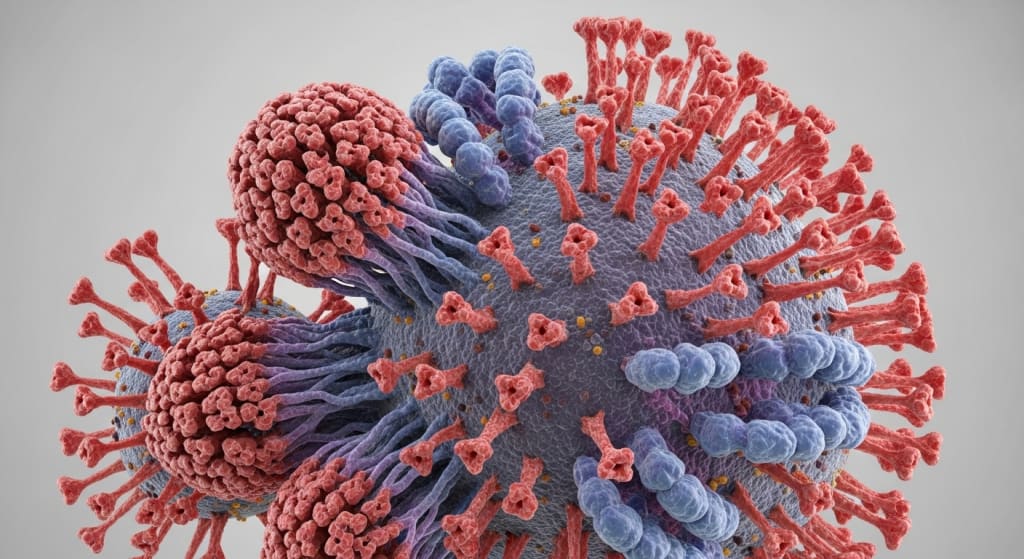
Nipah virus (NiV) is a virus that can cause illness in animals and people. It does not spread easily through casual contact. It was first identified in 1999 during an outbreak in pigs and pig farmers in Malaysia. NiV belongs to a family of viruses called Henipaviruses. Its natural hosts are fruit bats (also called flying foxes), which carry the virus without getting sick. When Nipah virus infects humans, it often causes a high fever and can affect the nervous system and breathing.
Origin and History of Outbreaks
Nipah virus was named after the village in Malaysia where it first appeared. Since the first outbreak in Malaysia and Singapore (1998–1999), NiV has caused several outbreaks in Asia. Bangladesh and India have reported human cases almost every year since 2001. In India, outbreaks have occurred in West Bengal (2001, 2007, 2018, 2021) and in Kerala (2018, 2019). There was also an outbreak in the Philippines in 2014.
Map images of past outbreaks show that Nipah cases are mainly in South Asia and Southeast Asia, often near bat habitats or farm areas. Human-to-human transmission has occurred in family and hospital settings during some outbreaks.
How Nipah Virus Spreads (Transmission Methods)
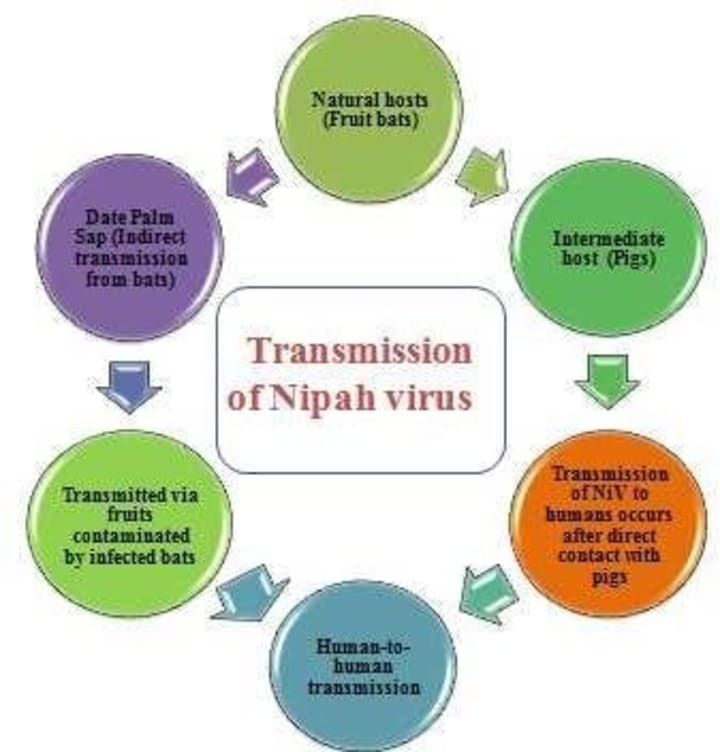
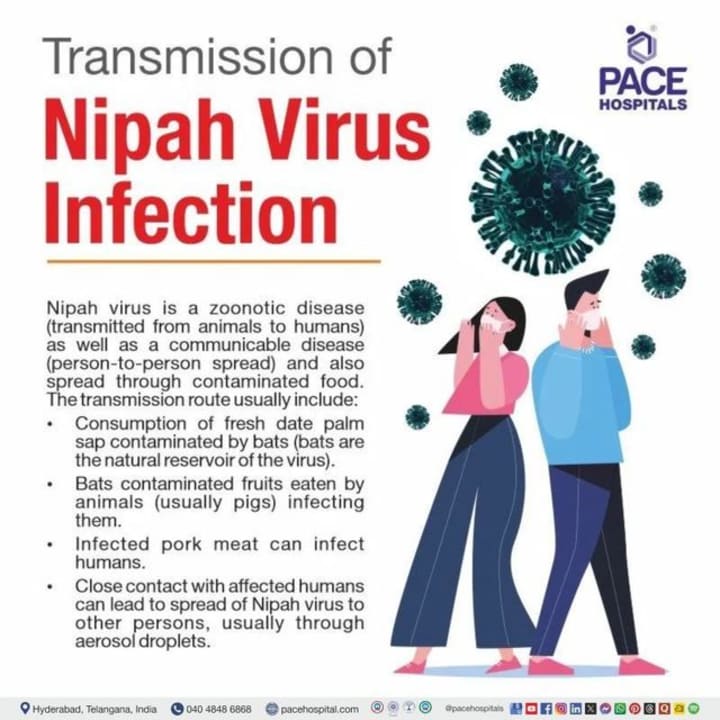
Nipah virus can spread in a few ways. The most common way is from animals to people. Fruit bats that carry the virus may drop contaminated saliva or urine on fruits or into raw date palm sap that people collect. If someone eats fruit or drinks sap that has NiV on it, they can become infected. In some outbreaks, pigs and other farm animals have become infected by bats and then passed the virus to people.
People can also catch Nipah from other people. This usually happens only when a person is very sick and in close contact – for example, family caregivers or health workers providing care without full protection. The virus is found in body fluids (like saliva or blood) and in droplets from coughing. By touching these fluids or being very close to a sick person, another person can get infected. This type of spread is less common but has been seen in some hospitals and homes.
Good hygiene and simple precautions (like covering coughs and wearing a mask around the sick) can help stop the spread of NiV. Covering your mouth when you cough or sneeze and washing hands frequently are simple ways to protect yourself and others.
Symptoms and Warning Signs
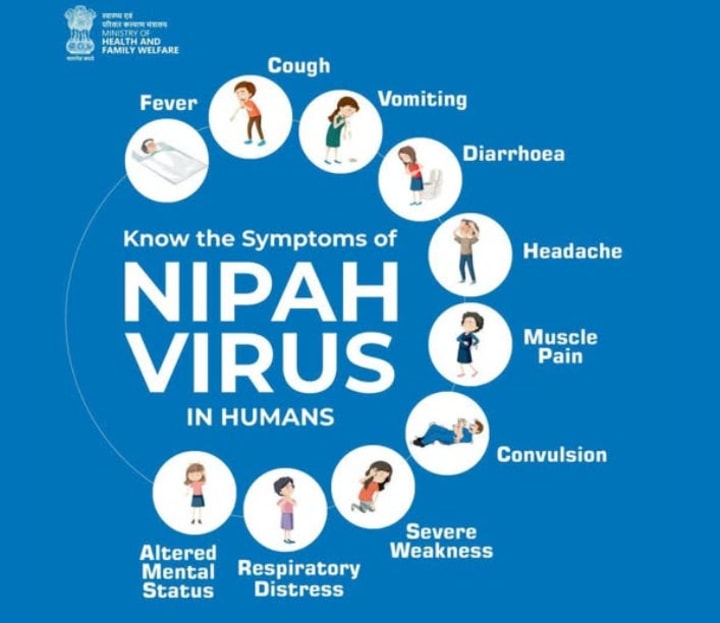
Symptoms of Nipah virus infection often begin suddenly. Early signs can include:
Fever, headache, and body aches: The patient feels very hot, has a strong headache, or sore muscles.
Fatigue or drowsiness: Unusual tiredness or sleepiness is common.
Nausea or vomiting: The patient may feel sick to the stomach or vomit.
Sore throat or cough: A dry cough or scratchy throat can develop.
As the illness progresses, more serious signs may appear:
Neurological signs: Confusion, disorientation, or difficulty thinking clearly. Severe infection can cause inflammation of the brain (encephalitis), leading to seizures or coma.
Respiratory problems: Difficulty breathing or pneumonia (lung infection) may occur, causing shortness of breath.
Symptoms usually show up about 4 to 14 days after exposure to NiV (though it can sometimes be longer). Nipah infection can become severe and requires prompt medical attention. Not everyone will have all these symptoms, but a combination of fever with confusion or breathing problems is a warning sign of a severe infection.
How to Protect Yourself and Others (Preventive Measures)
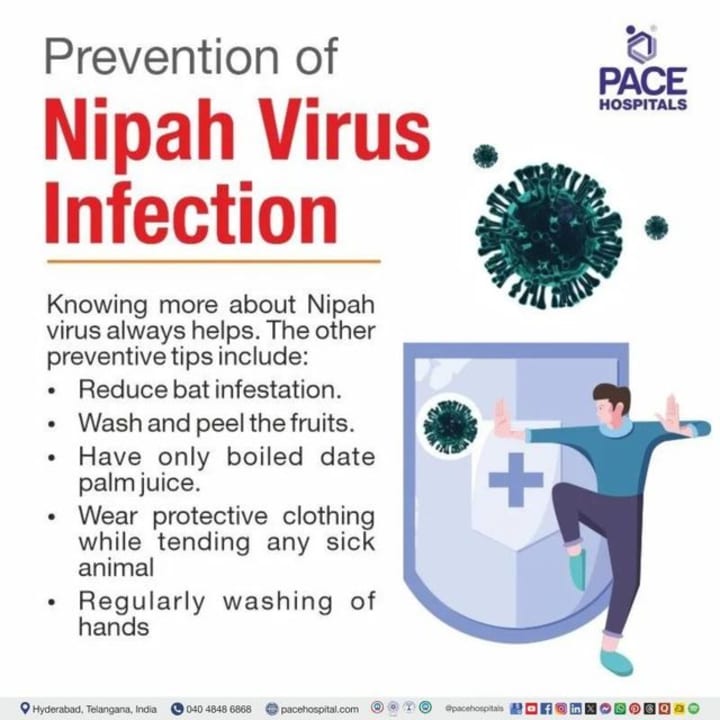
Protecting yourself and your community is possible with a few simple steps:
Avoid bats and sick animals: Do not touch or go near fruit bats or sick pigs and other livestock. Avoid eating fruits that show bat bite marks or that animals have eaten.
Be careful with raw date palm sap and juices: Freshly collected juices (like date palm or coconut sap) can be contaminated by bats. Only drink juice that has been boiled or pasteurized. Avoid raw or homemade preparations.
Keep good hygiene: Wash hands often with soap and clean water, especially after being near animals or sick people. Use soap when available.
Wear protection if caring for someone sick: If someone is ill, caregivers should wear a mask and gloves when helping them. Cover coughs and sneezes with a tissue or elbow.
Cook food well: Cook meat and eggs thoroughly, and only eat fruits that you have peeled and washed well.
These simple actions greatly reduce the chances of catching Nipah virus or spreading it to others.
What to Do If You Suspect an Infection
If you think you or someone you know might have Nipah virus, follow these steps calmly:
Seek medical care immediately: Go to a clinic or hospital as soon as possible if you have symptoms and a recent history of bat or animal exposure. Tell the health staff about your symptoms, your travel history, and what you ate (for example, raw date palm sap).
Isolate the sick person: Keep the patient in a separate room or area away from others. This helps prevent spreading the virus to family members or others in the home.
Use basic protection: Caregivers should wear a mask and gloves and wash hands frequently when with the patient. Do not share bedding, utensils, or personal items with the person who is sick.
Contact health authorities: Call local health officials or a hotline to report the situation. They will advise you on what to do next and may need to trace other people who had contact.
Doctors and nurses will perform tests to confirm the diagnosis and provide supportive care (like fluids, fever medicines, and help with breathing). There is no specific medicine for Nipah virus yet, so hospitals focus on keeping patients comfortable and stable while monitoring for complications.
Current Status and Government Response
Nipah virus outbreaks are still rare, but health authorities keep a close watch in areas where it has appeared. In early 2026, two cases were confirmed in India (West Bengal). Those cases were quickly detected and isolated, and health teams traced and tested people who had contact with them. Governments often respond by strengthening hospital infection controls and issuing travel advisories. For example, some countries advise travelers to avoid raw date palm sap and bat-contaminated fruits, and to seek medical attention if they become ill after travel.
Researchers are working on vaccines and treatments, but none are widely available yet. Overall, the risk to the general public remains low, especially outside affected areas. The best protection is awareness and simple precautions. By staying informed and following health advice, you can help keep yourself and your community safe.Tell your story…
About the Creator
Keep reading
More stories from Talha khan and writers in Chapters and other communities.
The Last Dragon of Ashfall
Long before maps dared to name the mountains, a dragon slept beneath them. The people of Ashfall believed the peak was cursed. Smoke curled from its crown even in winter, and the ground trembled like a breathing chest. Shepherds swore they heard wings scraping stone at night. No one climbed the mountain twice.
By Talha khan5 days ago in History
Sparrow on a Plank Chapter 14: Bribes and Paper Prisons
The inspectors had already come and gone, their pockets considerably heavier than when they had come aboard. The inspection was a farce, but luckily a quick one; there were goods that even a large bribe wouldn't protect, and a sizable number of those were on board the Hell's Wrath, waiting for pick up. It was fun to watch Rick go into his act as a first mate on a “poor cargo ship”, bargaining for the lowest bribe he would pay. The inspectors got into the spirit of things, and so there was the quick conflict of supply and demand, as the inspectors demanded what they could from the supply of funds that they had been given for bribes. In the end, thanks to a mix of Rick's bargaining skill and the inspectors' lack of recent entertainment, the bribes were half what they had estimated. Captain Taylor breathed a sigh of relief when the last so-called inspector left, with all goods still on board, and the remainder of the bribe money going into a party fund.
By Jamais Jochimabout 17 hours ago in Chapters



Comments
There are no comments for this story
Be the first to respond and start the conversation.