
NO WATER NO BRAIN
Deficiency of Water Affects the Brain

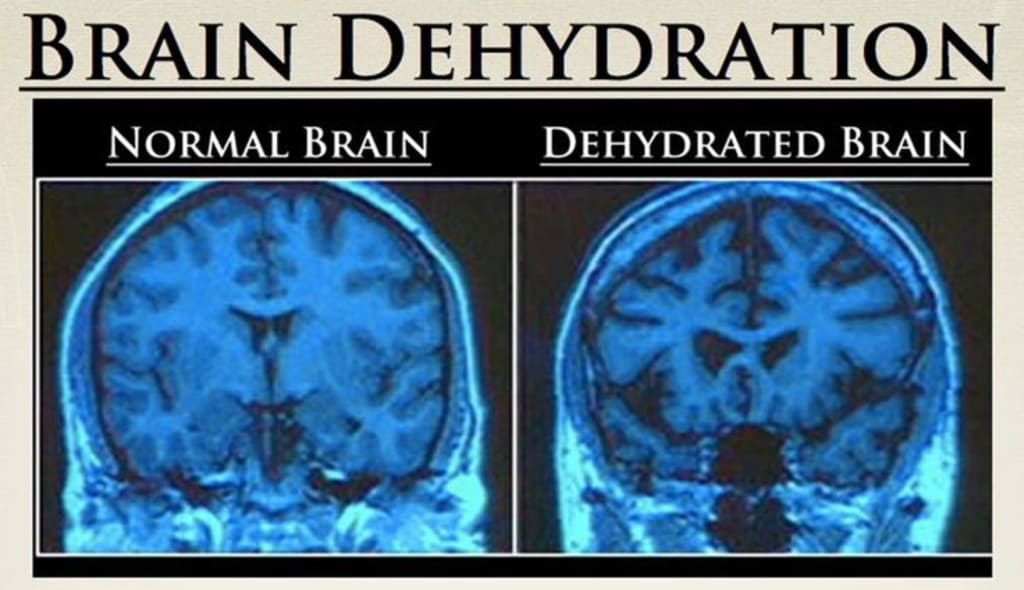
Water is the most essential nutrient for human survival, and the brain is one of the organs most dependent on adequate hydration. Nearly 85 % of the human brain is composed of water, which plays a critical role in maintaining its structure, supporting chemical reactions, and enabling communication between nerve cells. Even a mild deficiency of water—commonly known as dehydration—can significantly affect brain function, mood, and overall mental performance. Understanding how water deficiency impacts the brain highlights why regular hydration is vital for cognitive health.
Water and Brain Physiology
The brain relies on water to maintain the balance of electrolytes and nutrients necessary for nerve transmission. Neurons communicate through electrical and chemical signals, processes that depend heavily on the presence of water. Water also helps regulate brain temperature, removes metabolic waste, and supports the production of neurotransmitters. When the body becomes dehydrated, blood volume decreases, reducing the supply of oxygen and nutrients to brain tissues. This disrupts normal brain activity and impairs cognitive functions.
Impact on Cognitive Performance
One of the earliest and most noticeable effects of water deficiency on the brain is a decline in cognitive performance. Studies have shown that even a 1–2 percent loss of body water can lead to difficulties in concentration, memory, and problem-solving skills. Tasks that require attention, quick thinking, or coordination become more challenging. Students and professionals may experience reduced productivity, slower reaction times, and an increased likelihood of making errors when dehydrated.
Effects on Mood and Emotional Regulation
Water deficiency also affects emotional stability and mental well-being. Dehydration has been linked to increased feelings of irritability, anxiety, and fatigue. The brain’s ability to regulate emotions depends on balanced neurotransmitter activity, which is disrupted when hydration levels drop. Even mild dehydration can lower mood, increase stress perception, and reduce feelings of alertness. Over time, chronic dehydration may contribute to mental exhaustion and reduced motivation.
Headaches and Brain Shrinkage
A common symptom of dehydration is headache, which occurs due to reduced blood flow and oxygen supply to the brain. When water levels decrease, the brain can temporarily shrink and pull away from the skull, activating pain receptors. Although this shrinkage is reversible with re hydration, repeated episodes of dehydration can cause frequent headaches and discomfort, affecting daily life and mental clarity.
Impaired Memory and Learning
Memory formation and learning processes are particularly sensitive to water deficiency. The hippocampus, a region of the brain responsible for learning and memory, requires adequate hydration to function efficiently. Dehydration can impair short-term memory, reduce learning capacity, and make it harder to retain new information. This is especially concerning for children and adolescents, whose brains are still developing, as well as older adults, who may already face age-related cognitive decline.
Increased Risk of Neurological Problems
Severe or prolonged dehydration can have serious neurological consequences. In extreme cases, it can lead to confusion, dizziness, disorientation, and even loss of consciousness. Electrolyte imbalances caused by water deficiency may trigger seizures or exacerbate existing neurological conditions. Older adults are particularly vulnerable, as the sensation of thirst diminishes with age, increasing the risk of unnoticed dehydration and its effects on brain health.
Long-Term Effects on Brain Health
Chronic dehydration may contribute to long-term brain health issues. Persistent lack of adequate water can increase oxidative stress and inflammation in brain tissues, potentially accelerating cognitive decline. While dehydration alone does not directly cause neurodegenerative diseases, it may worsen symptoms or increase vulnerability in individuals with conditions such as Alzheimer’s disease or dementia.
Importance of Adequate Hydration
Maintaining proper hydration is one of the simplest and most effective ways to support brain health. Drinking sufficient water throughout the day helps sustain attention, memory, emotional balance, and overall cognitive performance. Hydration needs vary depending on age, climate, physical activity, and health status, but listening to the body’s signals and drinking water regularly is essential.
Conclusion
Water deficiency has a profound impact on the brain, affecting cognition, mood, memory, and neurological function. Even mild dehydration can disrupt mental performance, while severe or prolonged deficiency can pose serious health risks. By prioritizing regular water intake, individuals can protect their brain health, enhance mental clarity, and support overall well-being. Adequate hydration is not just a physical necessity—it is a cornerstone of optimal brain function.
About the Creator
Ibrahim Shah
I am an Assistant Professor with a strong commitment to teaching,and academic service. My work focuses on fostering critical thinking, encouraging interdisciplinary learning, and supporting student development.
Keep reading
More stories from Ibrahim Shah and writers in Chapters and other communities.
STORY OF GREAT EXPLORER
Today, we will embark on the story of a man who managed to breach the icy cover of the Northwest Passage, located in the Arctic Ocean, and even before this incredible accomplishment, join the first team to reach the South Pole on December 14, 1911. He is the only man to have reached both poles.
By Ibrahim Shah about 8 hours ago in Chapters
Firebug: Ch. 19 - The Durants
The last time Roman had seen Theo so angry, Jasper's face got dented with a dodgeball. His bandaged hands shook from gripping his sheets so tight, his freckled face darkening from off-white to blood red within seconds. When he saw the tears gathering in the corners of the shorter teen's eyes, Roman felt a spark of anger ignite behind his own sternum.
By Natalie Graya day ago in Chapters




Comments
There are no comments for this story
Be the first to respond and start the conversation.