
O MY GOD Mg
Why is it essential for the human body?
**Magnesium: Importance for Health**
According to experts, magnesium ensures that our body’s cells, organs, and brain function properly. It also helps stabilize mood, balance the muscular and nervous systems, and strengthen the immune system.
If you’ve been dealing with health issues, especially if you’re a woman, you may have noticed a lot of content on social media in recent months about magnesium. People are not only praising its health benefits but also recommending various supplements. Many users are trying to understand how important magnesium is for health and how it can be obtained naturally.
Magnesium is an essential micronutrient found in our daily diet. It supports many critical bodily functions.
**Magnesium in Food**
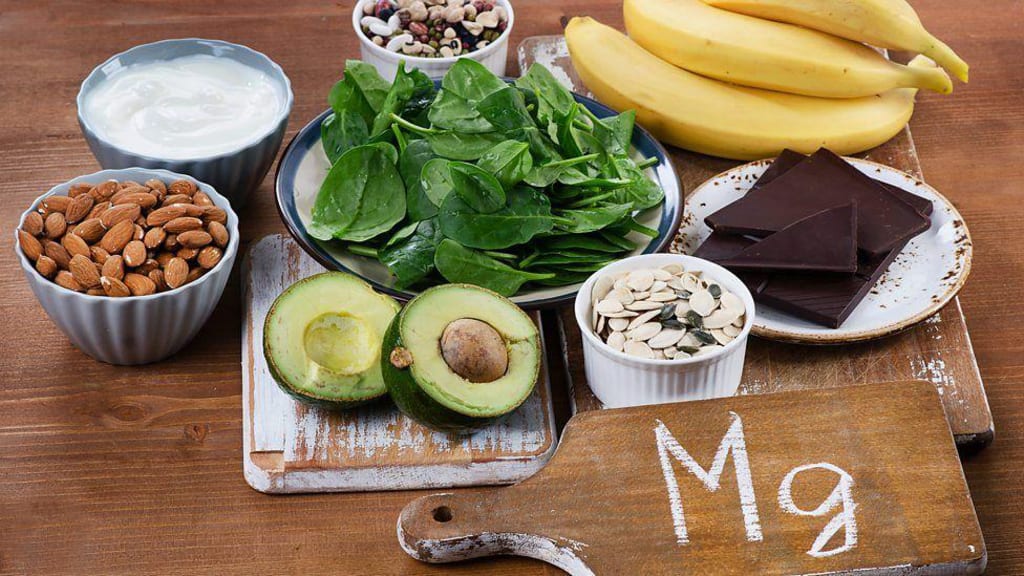
Green leafy vegetables are a good source of magnesium because this element is present in chlorophyll, which gives plants their green color.
Whole grains, nuts, and certain fruit seeds are also rich in magnesium. Additionally, some fish, meat, and dairy products contain limited amounts of magnesium.
According to one study, foods like Brazil nuts, barley flour, brown rice, cashews, spinach, and almonds contain adequate amounts of magnesium. Another study indicates that chia seeds and pumpkin seeds are also good sources of magnesium.
Rebecca McManamon, a nutritionist and spokesperson for the British Dietetic Association, says, “If you include unsalted wheat or barley flour, various legumes, green vegetables, and fruits in your daily diet, you can meet your daily magnesium needs.”
**Health Benefits of Magnesium**
Adequate magnesium intake is beneficial for the body in several ways.
**Brain Health**
Magnesium is not only essential for the body but also for regulating brain metabolism and ensuring proper functioning of brain tissues.
A study involving over 6,000 women aged 65 and older found that magnesium from food and supplements can reduce the risk of memory loss.
Experts believe magnesium plays a significant role in keeping the brain healthy as we age.
One study suggests that magnesium may help reduce anxiety symptoms and mild to moderate depression.
Professor Dai from Leeds University, who specializes in nutrition and behavior, says, “Magnesium plays a key role in regulating a critical receptor linked to anxiety, mood, and depression in humans.”
Professor Dai reviewed studies on the relationship between magnesium and mental health, noting that four out of eight studies showed a positive effect on anxiety. However, he clarified that the available evidence is not very robust, stating, “More well-designed and controlled trials are needed to confirm the potential benefits of magnesium supplements.”
**Improved Sleep**
Our eating habits can affect sleep in various ways. A 2022 review found that obtaining the required amount of magnesium can improve sleep quality.
**Metabolic Syndrome**
Metabolic syndrome refers to a group of health issues linked to type 2 diabetes or heart health.
An analysis of over 9,000 people showed that those with the highest magnesium intake had a one-third lower risk of metabolic syndrome compared to those with the lowest intake.
**Heart Health**
Some studies suggest that maintaining good magnesium levels benefits heart health. For example, one study found that people with the highest magnesium intake had an 8% lower chance of high blood pressure compared to those with the lowest intake.
An analysis of 90,000 female nurses over 30 years showed that those with the highest magnesium intake had a 39% lower risk of heart attack compared to those with lower intake.
Another review found that sufficient magnesium intake may reduce the risk of heart disease.
**Bone Health**
Magnesium is also beneficial for bone health, as it is involved in the bone formation process.
**Can You Have a Magnesium Deficiency?**
Professor Louis Dai notes that detecting magnesium deficiency in the body is often challenging.
He explains that people generally do not get enough magnesium from their diet. A major reason is modern farming and food processing practices.
Dai says, “Over the past 60 years, intensive agriculture has significantly depleted soil minerals, including a 30% reduction in magnesium levels.”
He adds that processed foods, prevalent in Western diets, lose 80 to 90% of their magnesium during processing.
Magnesium deficiency is linked to various health issues, such as digestive tract diseases, type 2 diabetes, kidney failure, and certain genetic disorders.
Louis Dai explains that magnesium deficiency can cause mild inflammation in the body, which is a common cause of many diseases.
**Can Supplements Meet Magnesium Needs?**
Most studies on magnesium’s benefits focus on supplements rather than naturally obtained magnesium. However, experts emphasize that supplements should not be considered a substitute for a balanced diet.
Professor Louis Dai says, “Magnesium supplements should not be used as a substitute for food, nor should they be seen as a ‘miracle’ element that solves every problem. If you have health concerns, you should seek medical advice rather than relying solely on vitamins or minerals.”
According to the UK’s National Health Service (NHS), consuming more than 400 mg of magnesium daily can lead to issues like diarrhea.
Experts suggest that if you prefer not to rely on supplements, ensure your diet includes sufficient magnesium.
Nutritionist Rebecca McManamon says, “Eating a handful of nuts daily is beneficial not only for magnesium but also for fiber, protein, and healthy fats. Some nuts also provide selenium and zinc. Additionally, consuming green leafy vegetables like spinach can meet the body’s magnesium needs.”
About the Creator
Keep reading
More stories from Muhib Ullah and writers in Chapters and other communities.
What is a deadly fungal infection?
According to research from the University of Manchester, the spread of a 'deadly' fungus, previously found only in tropical regions, can now reach Europe. This fungus causes **aspergillosis**, a lung disease responsible for nearly **1.8 million deaths worldwide each year**.
By Muhib Ullah 7 months ago in Chapters
Fair Exchange, No Robberies
Dark Memoirs - Index There are at least two kinds of people in the world: those who write this half-arsed kind of intro to a story that looks to separate the rare and the norm, and those who realise it's an overused framing device and don't.
By Paul Stewart29 days ago in Chapters




Comments
There are no comments for this story
Be the first to respond and start the conversation.